TRENDING IN HOME DESIGN & DECOR: BOLD PATTERNED TILES

Are you looking to add a statement feature to your home – maybe something a bit more than a fresh coat of paint can provide? The bold pattern tile look is very popular right now, and homeowners have really shown their creativity on where to utilize this medium. Tiles aren’t just for floors anymore!


From straight line geometric to floral patterns, there is sure to be a tile to match just about any home style and design preference. In fact, I incorporated some fun patterned tile into a recent bathroom Makeover Takeover!


WHAT ARE THEY

These tiles feature bold, graphic patterns. Typically, they will have patterns that when positioned next to one another, and sometimes rotated, form an even larger, repeating design.

The origins of this type of tile style can be traced back as far as Medieval times. During that era they were called ‘inlaid tiles’, and later – in Victorian times – Encaustic tiles. Essentially, Encaustic tiles are created by using two to six different colors of clay. The clay is arranged in a pattern before firing. Because the pattern is not simply painted on the surface of the tile, it will continue to be present even as the tile wears.

Today’s patterned tiles are made primarily from cement, but there are less expensive varieties in both ceramic and vinyl.


WHERE/HOW TO USE THEM

There are plenty of unique applications for these stunning tiles.

Bathrooms

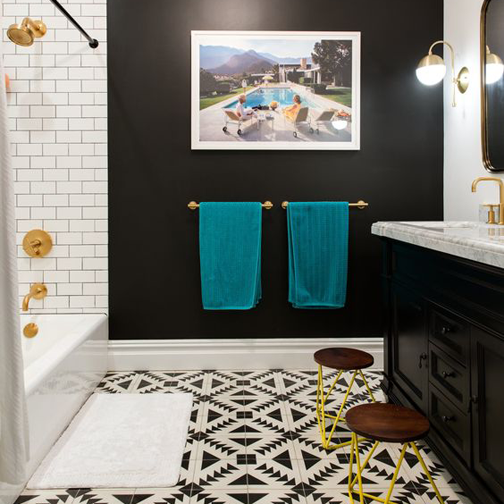
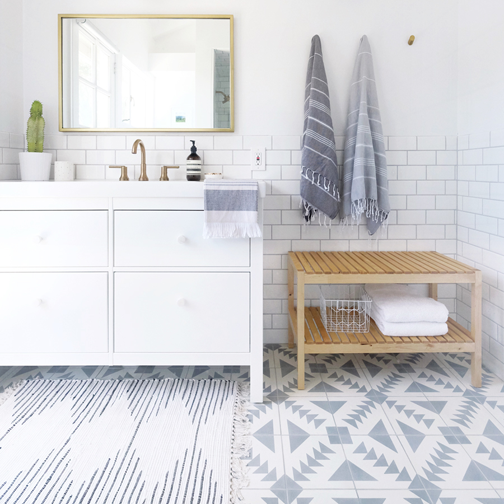
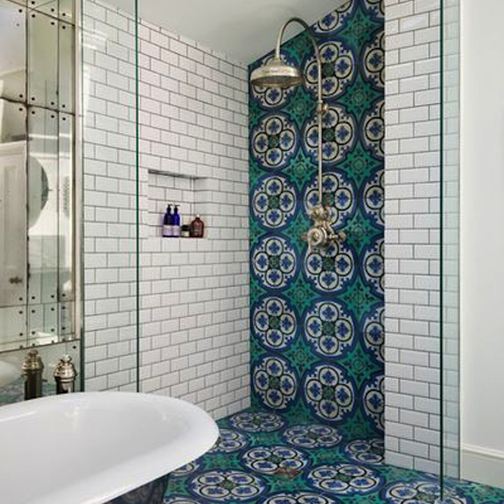
Tiles are a wonderful flooring option for bathroom applications because they are resistant to moisture/water. In small rooms, such as bathrooms, these bold tiles generally will not be competing with other design elements.


image source


image source


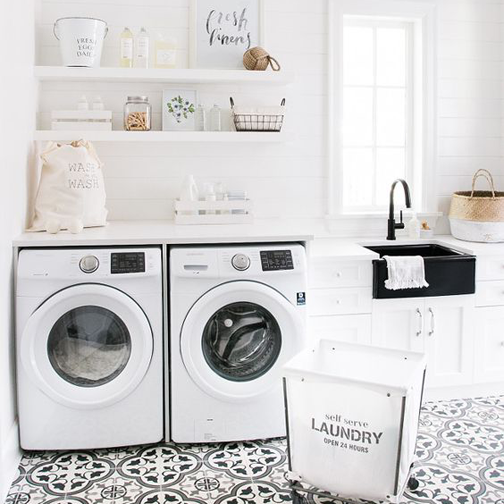
Laundry Rooms

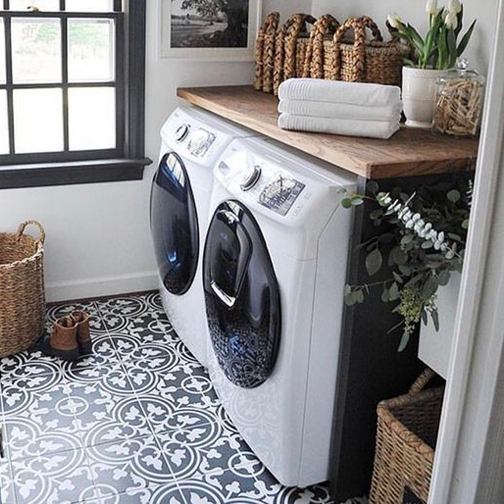
Who doesn’t need a little excitement and style when tackling the laundry?


image source


image source


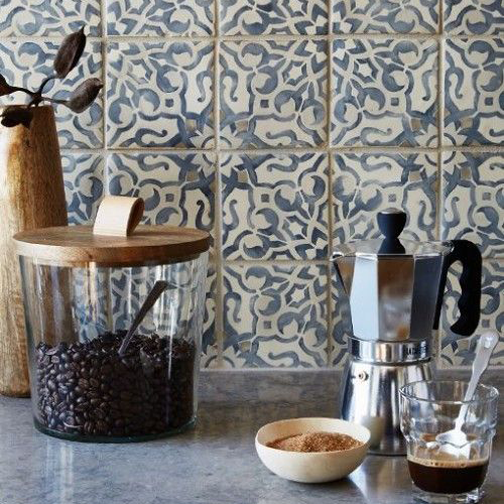
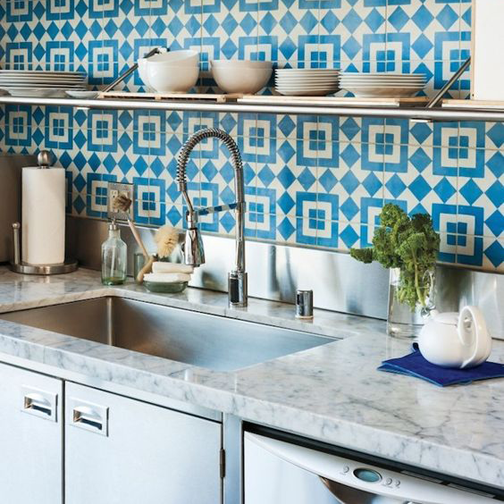
Kitchen

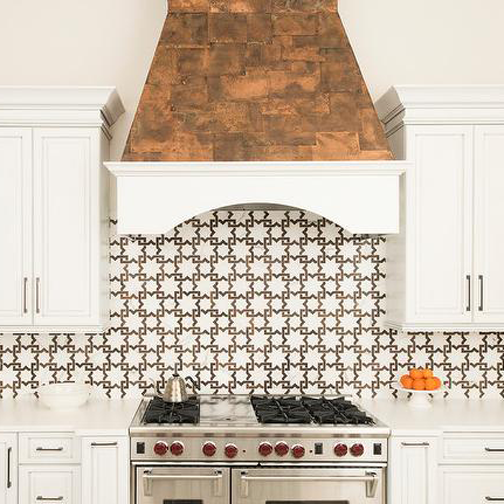
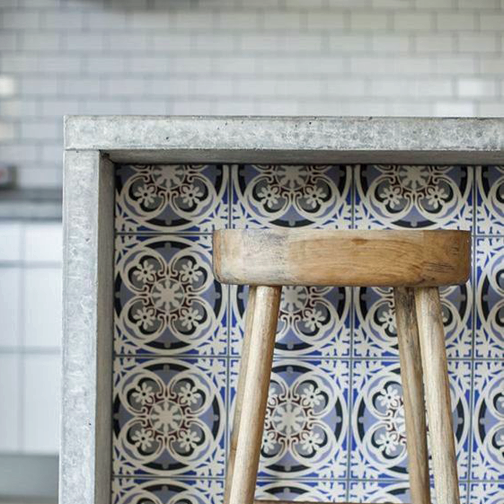
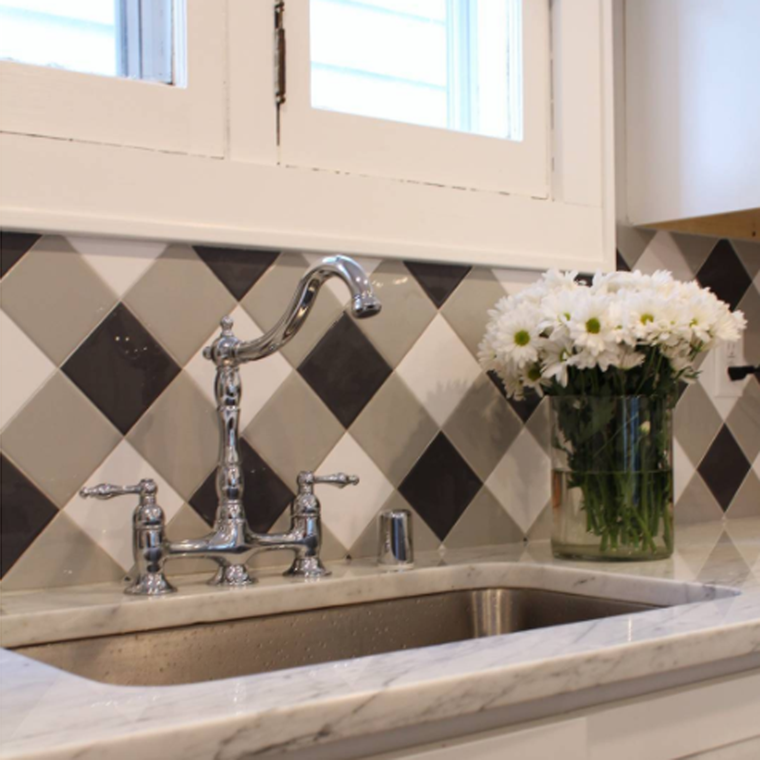
Tiles make a wonderful backdrop on kitchen walls or floors. They might also be fun to use on counter-tops, perhaps on a center island.


image source


image source


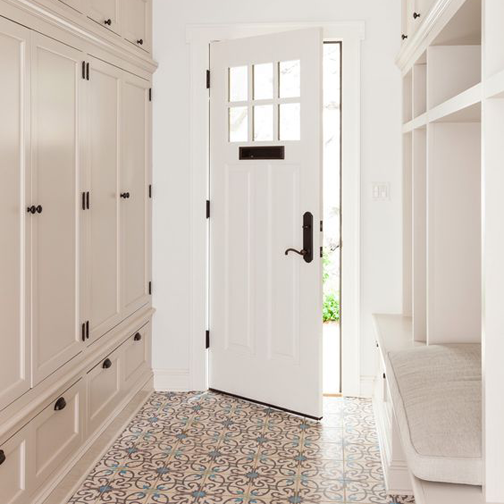
Entry/Foyer/Mudroom

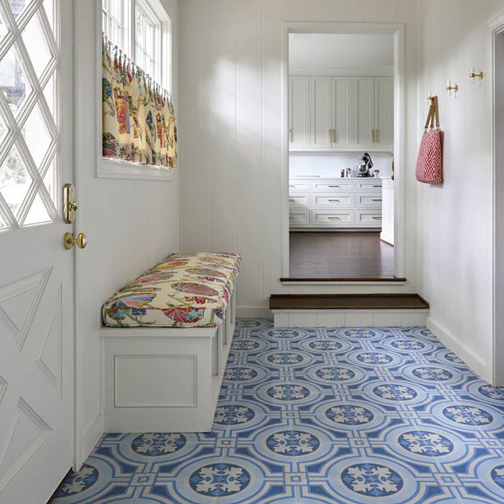
Set an inviting tone to your entryway and let guests see a sneak peek of the fun and style they can expect to see in the rest of the house.


image source

Patterned tile is wonderful at camouflaging dirt and grime.


image source


Hallway

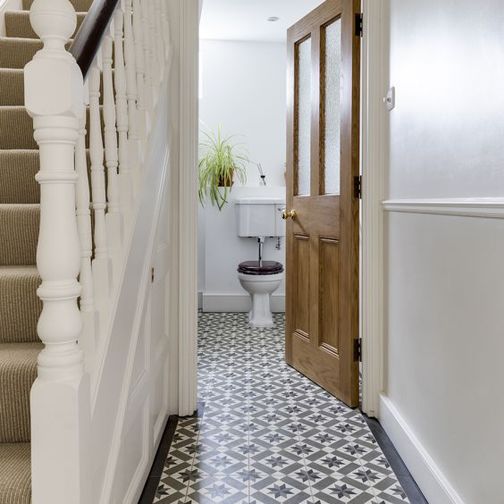
Hallways get a bad reputation of being boring and lifeless. With the addition of a sea of pattern, this hallway could not be any more interesting!


image source


Stair Landing

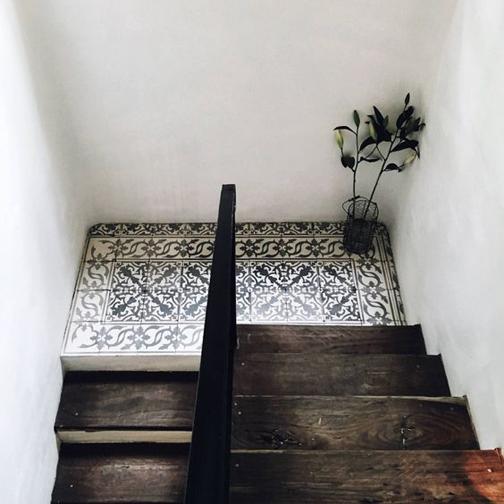
Add a bit of pizzazz to those boring stairways. Doesn’t this landing just seem to come to life with the tile work?


image source


Focal Point

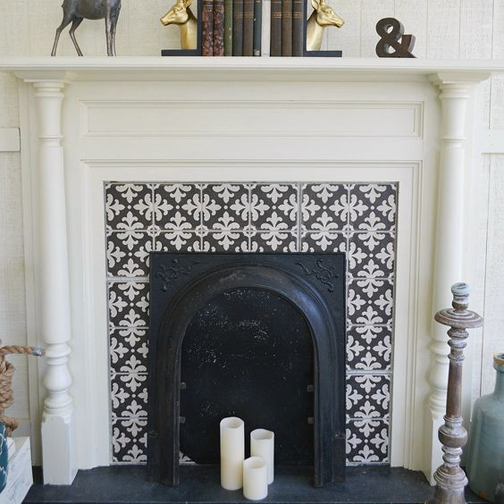
Let eyes focus on a featured item in your home, such as a special alcove, the fireplace, or even a piece of furniture!


image source


image source


image source


WHERE TO BUY

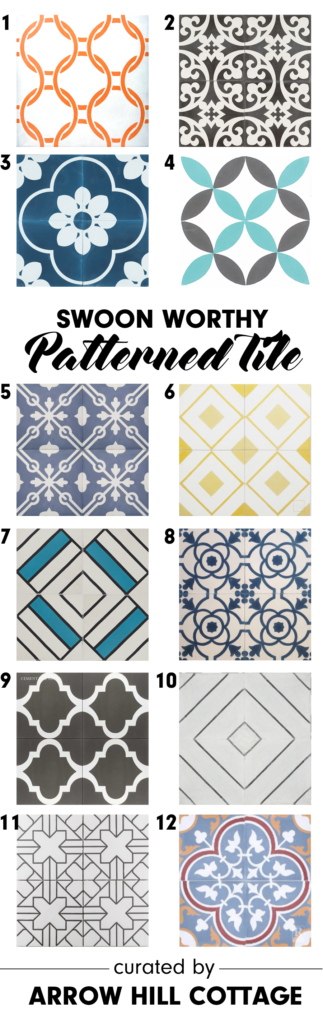
A large variety of retailers are now selling these tiles at reasonable prices. Click on the links below for access to some of my favorites!


1 | 2 | 3 | 4 | 5 | 6 | 7 | 8 | 9 | 10 | 11 | 12


Be sure to also click on over to this post for a comprehensive shopping guide!


MY THOUGHTS ON THIS HOME DESIGN TREND

As a lover of simple geometric patterns, this is a trend that I can totally get on board with! My caution to anyone wanting to incorporate these unique tiles is this: use them sparingly. I personally feel that the boldness of the tiles can make a large space covered in them seem too busy, even dizzying.

I also would advise that colors are pulled from the tiles to use in the rest of the space. This will help to provide balance between elements.

Finally, be sure that you choose a color and pattern of tile that you love – they surely aren’t the easiest things to replace!

SATURDAY SKETCHBOOK: KITCHEN BASIC DESIGN

I spent some time this week diving into the interior of Arrow Hill Cottage. With just over 18 months remaining before we break ground, I want to get as many details ironed out as possible. I figure that the more decisions that are made on paper, the less surprises that might arise during construction.

This may end up being the most well planned house of all time…. because this mama doesn’t like surprises! Ha!

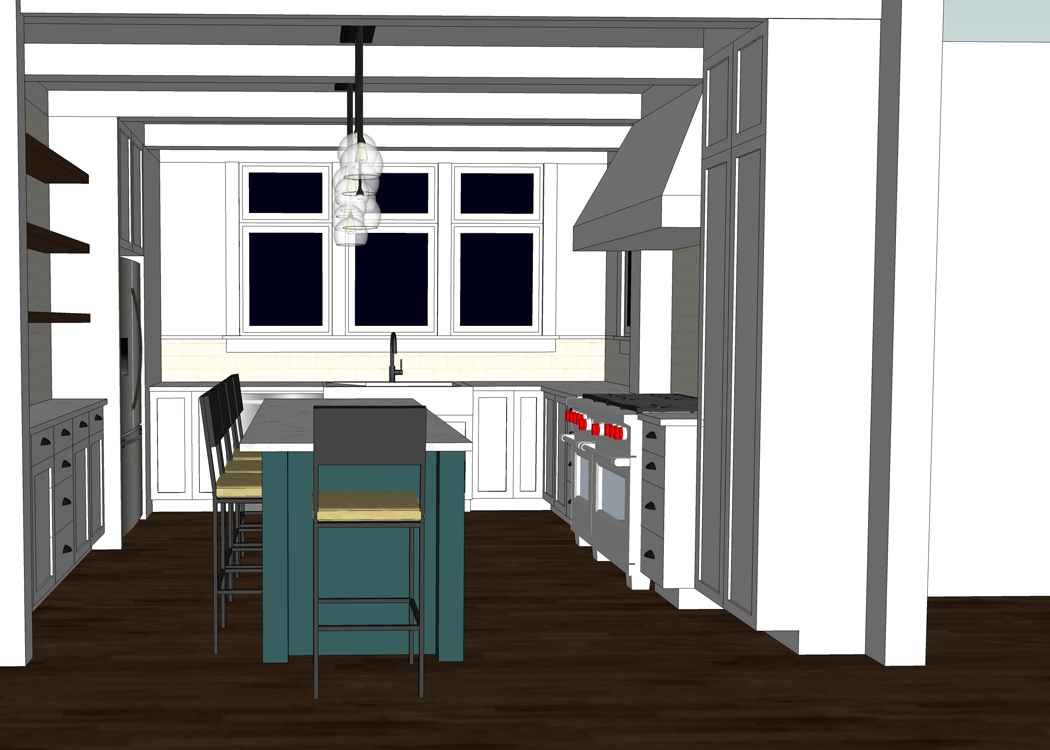
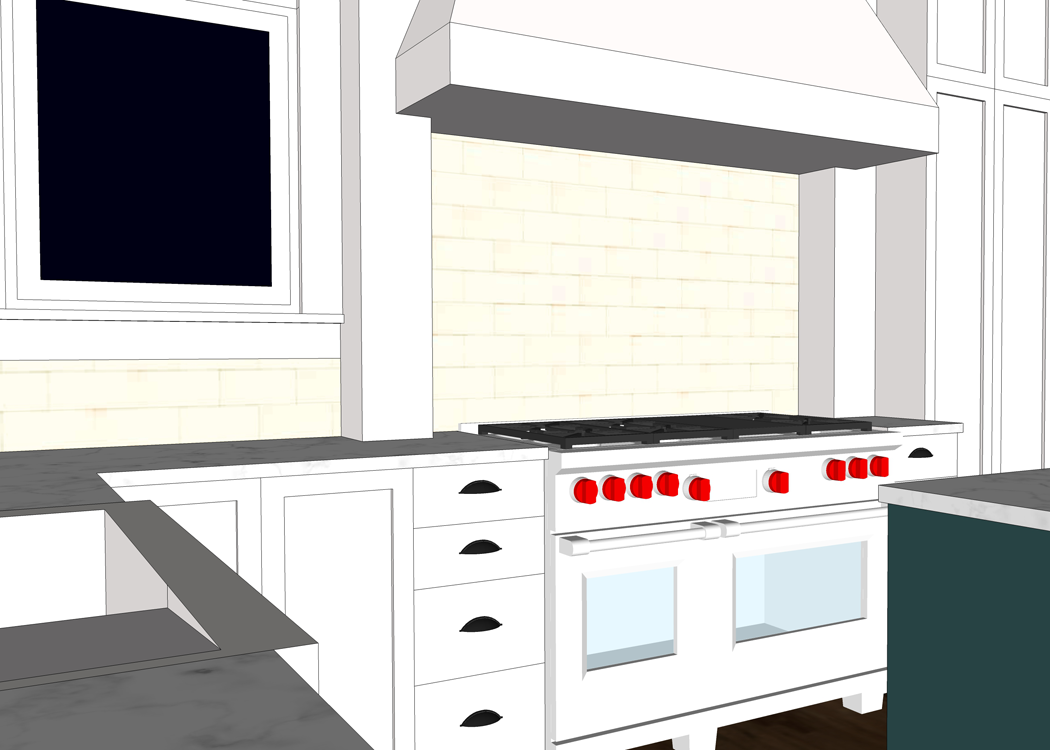
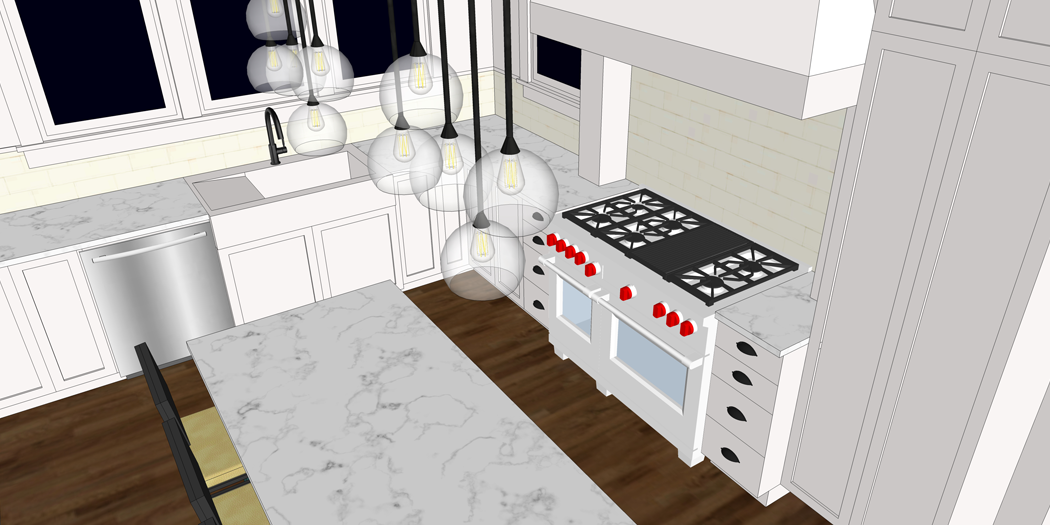
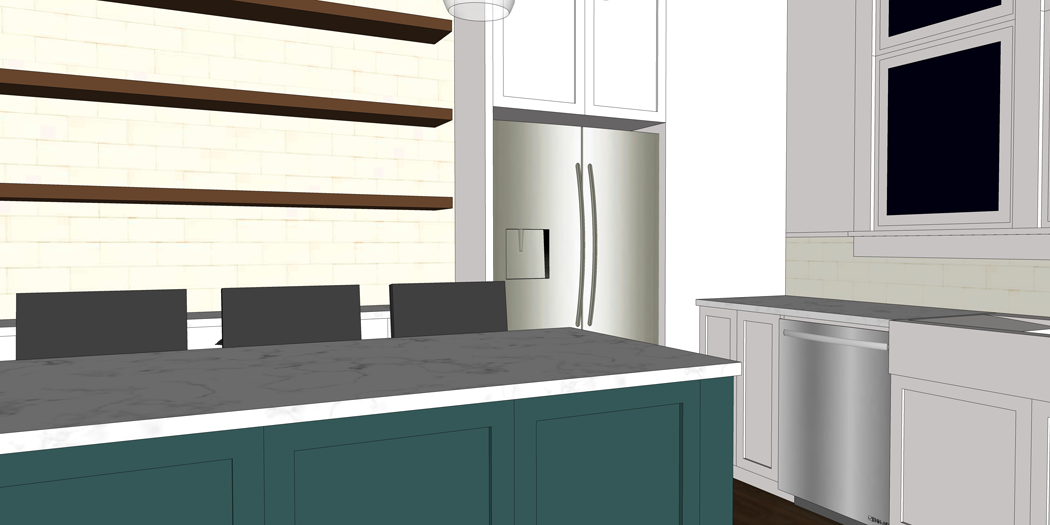
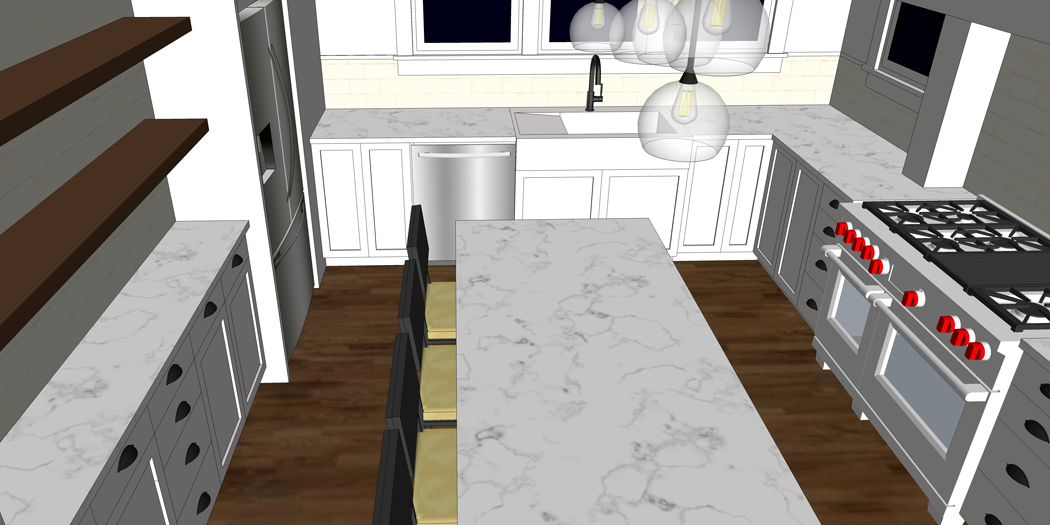
First up on the detailing docket is the kitchen. I wanted to start on it first, because I know that kitchens are the most complicated room in basically any house on the block. Ours is no different. So many decisions need to be made! You can see the basic floor plan layout of the kitchen in this post. The plan is basically still the same, but some of my initial ideas about which cabinets go where have changed.

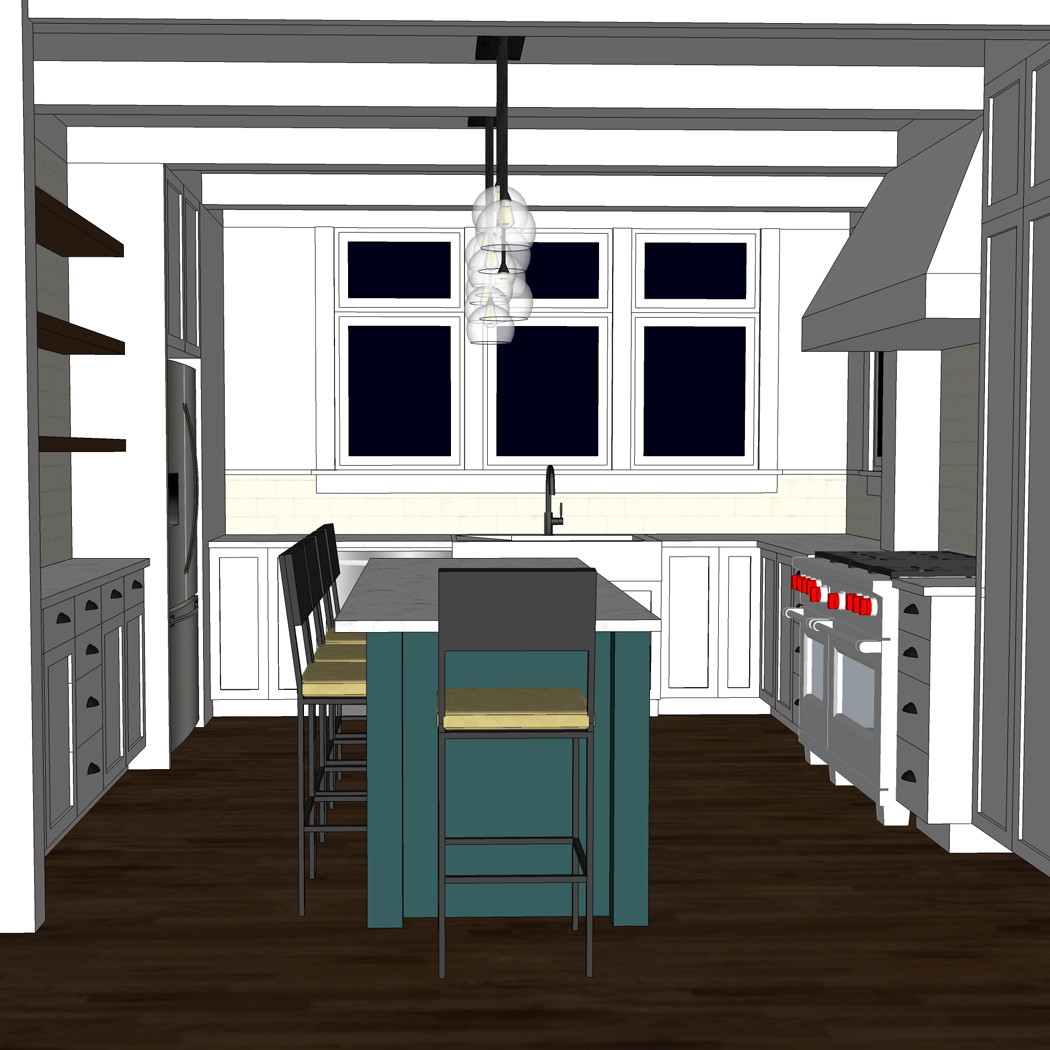
This is the view of the kitchen- standing in the dining space. It can be seen, by a long view, from the front door. The blank space you see on the right is the living room, which obviously hasn’t been detailed yet. The connection between these three spaces (kitchen, dining, living room) is great. There is definition of space but the rooms flow freely into one another.

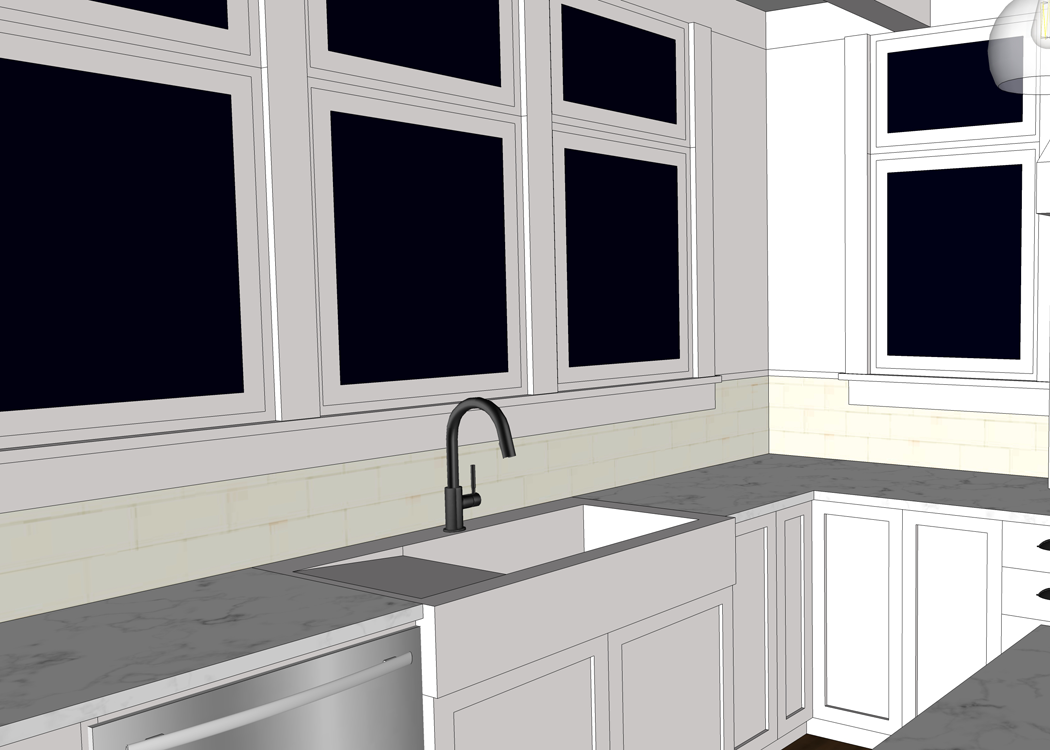
A closer view of the space. I am loving the bright and airy feeling it has so far. I feel like your eye is drawn to the wall of windows, which was my intention. Out those windows will be a beautiful view of wooded acreage.

In fact, standing at the sink – which is a reclaimed piece from Craig’s grandparents home – there will be a panoramic view of nature. I think that this view, and the natural light that will be pouring in, will make monotonous kitchen work seem more bearable. Maybe.


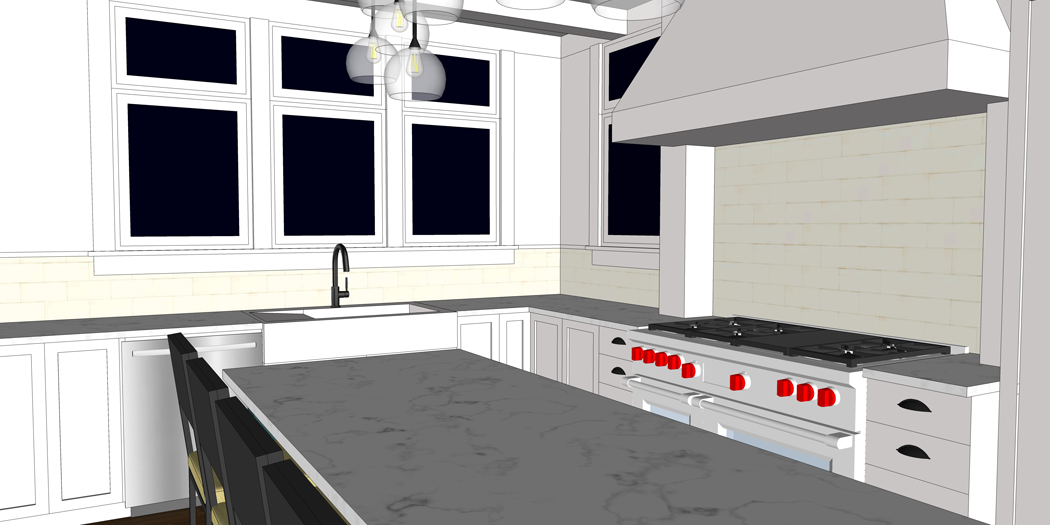
Turning toward the right side of the room, I have placed the range. This is a 48″ wide Wolf range. It is far more luxurious than any appliance we have ever owned; but I have heard only great things about this brand. And, I think it looks wonderful in the space.

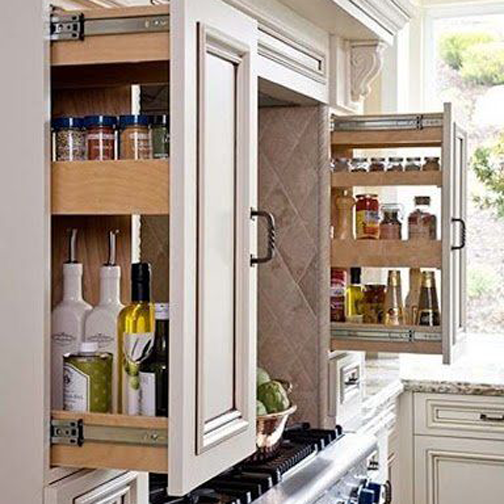
The vent hood above would have to be custom made by the cabinet manufacturer. I imagine the ‘pillars’ on either side of the stove to have secret pull out compartments for spices and oils. Another detail that will need to be worked out. I’m envisioning something like this photo.


image source

To the right of the stove is a tall cabinet. At the moment, I am thinking that the doors of this cabinet will be telescoping, and when open will reveal the microwave and pantry storage.

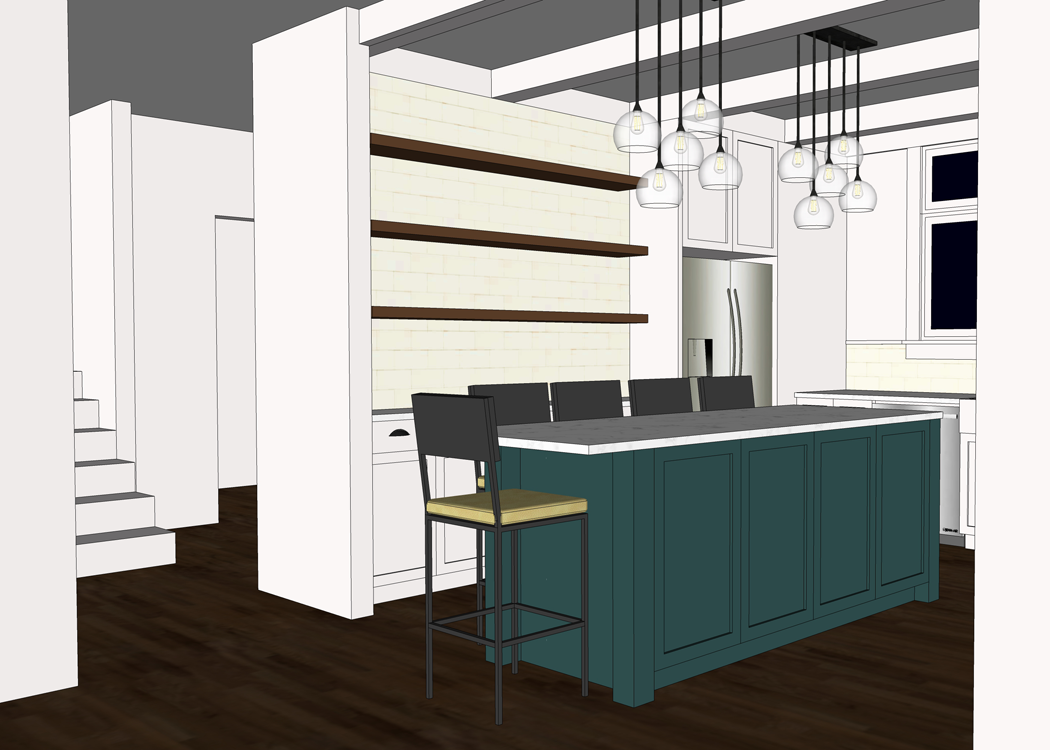
In the center of the room is the lovely 7 foot long island. Having a large island in my kitchen has been a dream of mine for a very long time.

I want the island to be standard counter height so that it can be used as extra prep space. I am thinking that the counter top will be of the same material as what the perimeter cabinets have – some type of white granite perhaps- but I would like the base cabinetry painted a different color to add interest and to give the island more of a ‘furniture’ look.

The back side of the island will have storage cabinets, while the other side will feature spots for seating. I have a bit of a debate going on in my own head right now. Should the bar stools have backs or not?

I imagine stools with backs might be more comfortable, but they also look a bit more clunky and may not be as visually pleasing. If you have an island with seating, can you please comment below letting me know which style of seating you have (backs or no backs), and what your thoughts are? Thanks!

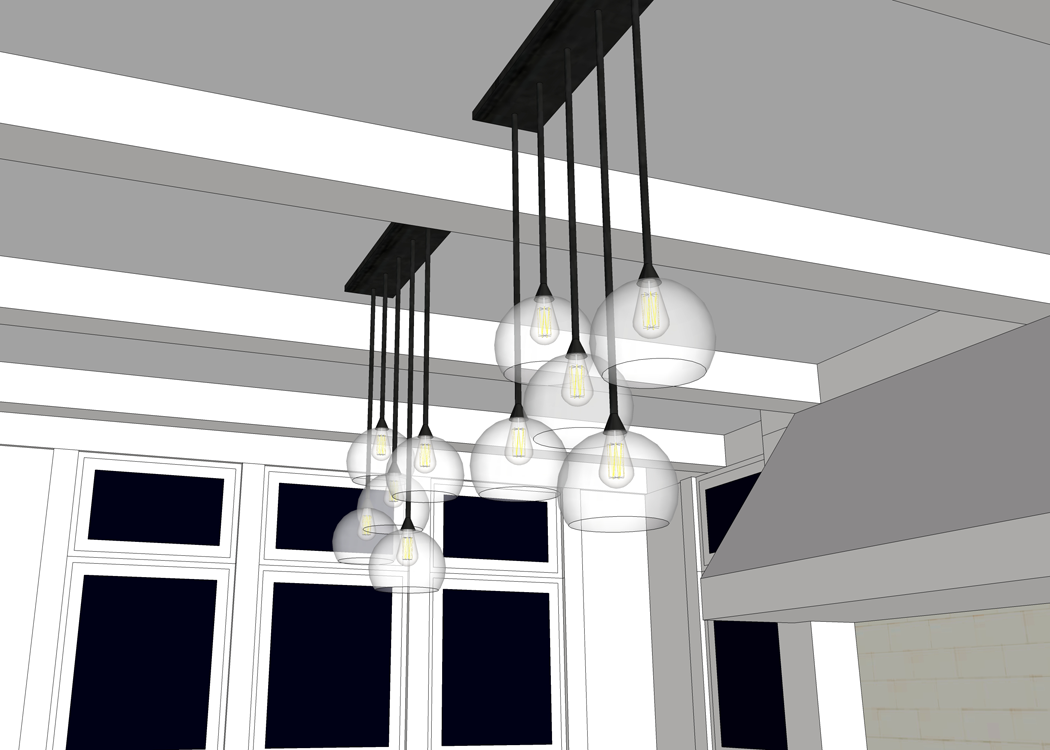
Let’s just take a minute to admire the ceiling, shall we? I am really pushing for some beam elements. I’m not sure yet if they will fit in the budget, but I want to get them planned out anyway. If we can’t do them right away it may be something we add in the future.

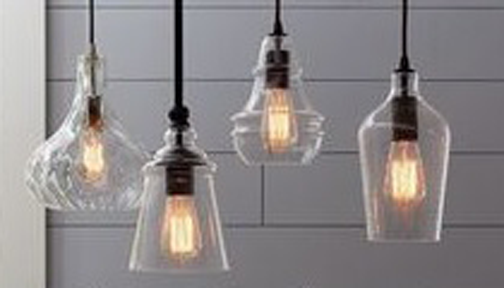
I have not formally chosen light fixtures for the kitchen, but am kind of liking the idea of purchasing multiple ‘similar looking’ pendants and clustering them above the island. An arrangement something like this photo


image source

Gorgeous, right? I think it would be an unconventional arrangement, but something that might fit perfectly in the house. Cottages are known for their eclectic style, after all.


The final side of the room features a shallow cabinet and counter, which I imagine will be perfect as a breakfast bar or as a buffet during gatherings.

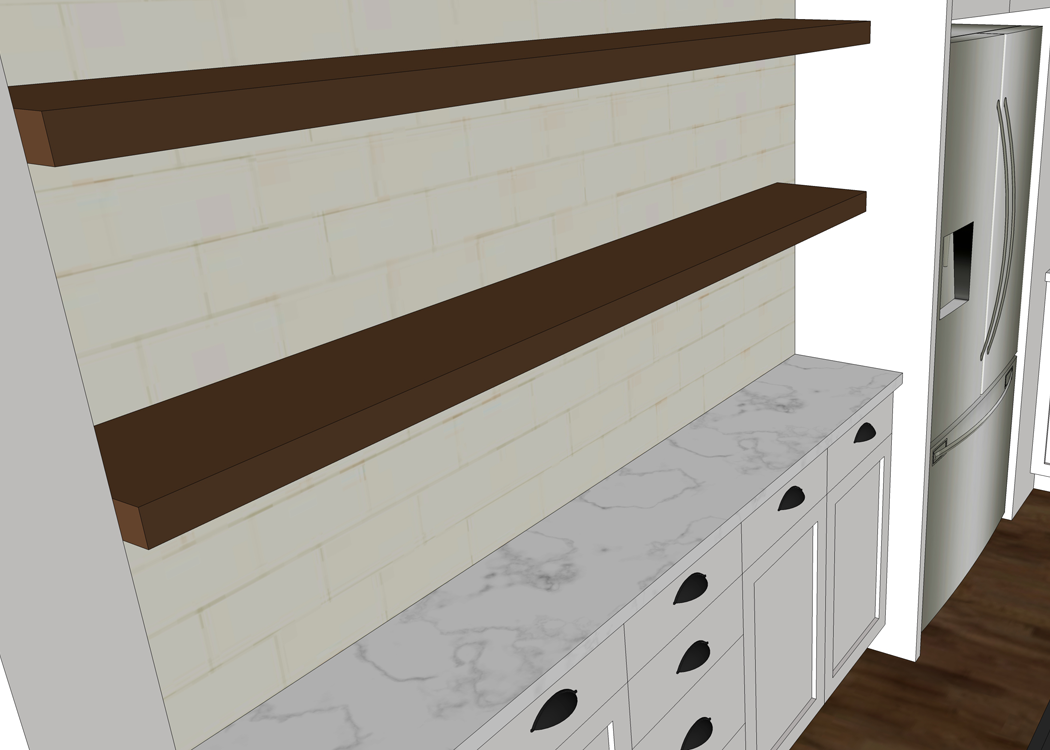
Our property has many mature oak trees, some of which will need to be removed to make room for the house. Craig and I are hoping that we can find someone local that would be able to mill the removed trees into boards. These boards could then be made into special items for the house itself, including the dining room table and possibly the shelving here in the kitchen.

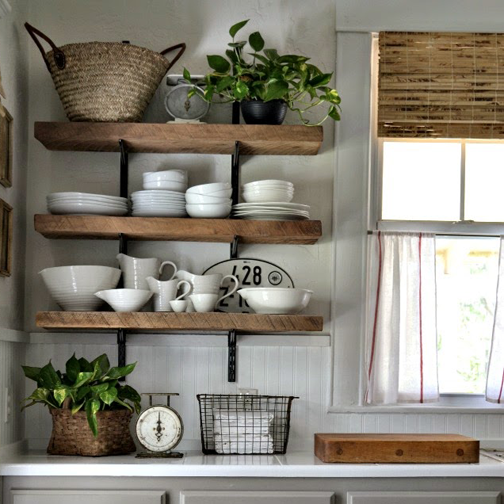
I love the idea of using the open shelves to house pantry items that can be stored in cute glass containers, such as pasta, sugar, and oatmeal. I could also see myself storing our frequently used plates, bowls and tumblers on these shelves. We’ll see how dusty the house gets. If it gets to be too much of a maintenance issue, maybe the shelves will be for display items only.

I love how this family utilizes open shelving.


image source

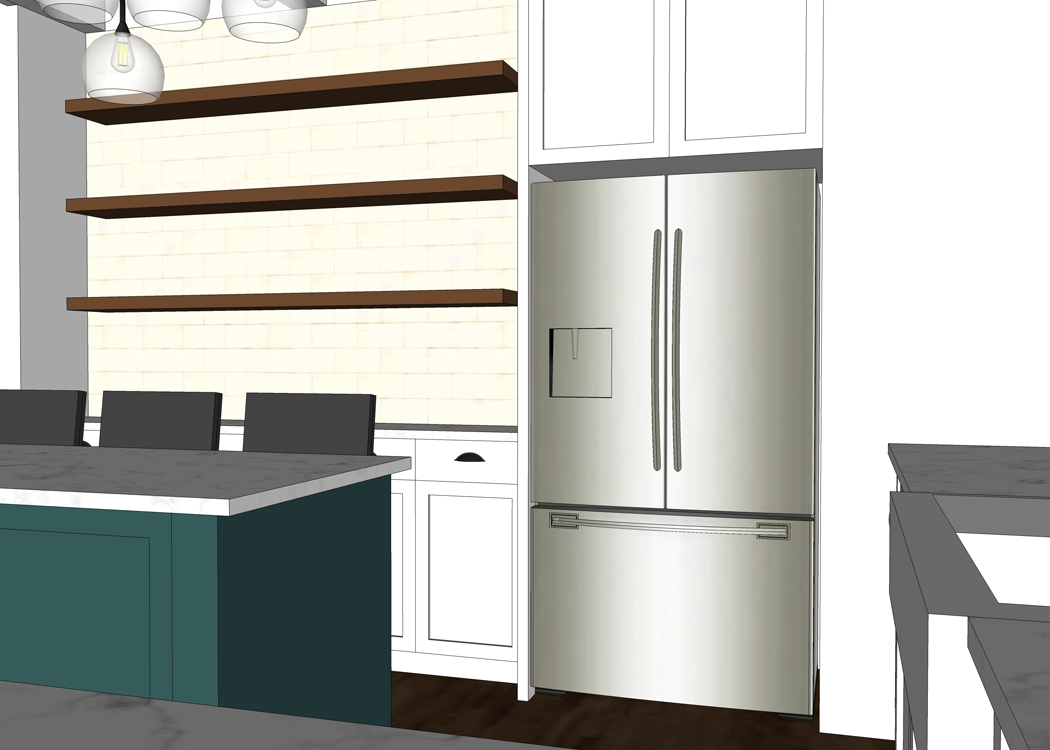
The fridge will have it’s own little corner of the kitchen. One thing our kids are really looking forward to is the availability of crushed ice and cold water on demand. It’s the simple pleasures.

One last look of the kitchen – the view from standing in the living room. You can see the stairs off to the side, and I can just about imagine my hungry little children wandering down from their bedrooms for breakfast in this beautiful space. I am loving the design progress I have made so far!

Let me know what you think! Any tips or suggestions?


THE MAIN ELEMENTS OF THE MID CENTURY MODERN HOME STYLE

Welcome to another installment in the ELEMENTS OF HOME series. Each month I showcase a different residential style here on the blog. It is my hope that this information will not only teach you a little something about the various styles; but also equip you if are designing or searching for a new house – by allowing you to determine which style(s) suit your lifestyle and preferences the most.

Today I will be over-viewing the Mid-Century Modern home – including the history of the style and what makes it unique.


HISTORY OF THE MID-CENTURY MODERN STYLE

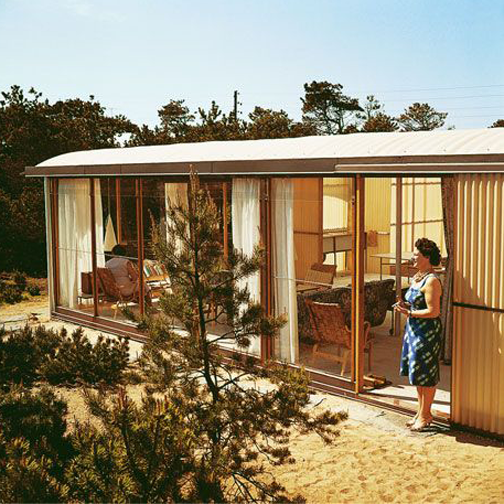
This style received it’s name partly because of the time period in which the homes were being built. Mid-Century. Mid 20th century to be exact. There is a bit of discrepancy on which years are included; But generally speaking, the Mid-Century Modern style comprises houses built from the years 1935 to 1965.

This was a tumultuous time in history. In the mid 1930’s, the threat of the second World War was looming and various architects, including the pioneers of the Bauhaus Movement – Walter Gropius, Marcel Breuer, and later Meis van der Rohe, fled Germany for America. These men were aiming to unite art and industrial design.

At the same time, American designers were highly influenced by the simplicity and integration with nature that was prevalent in Brazilian and Scandinavian architecture.

image source

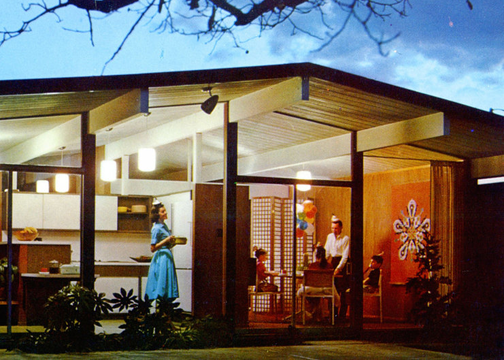
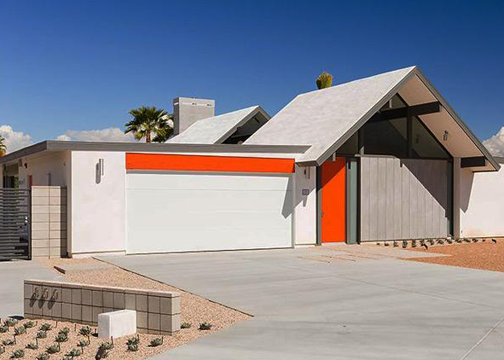
At the end of the war, as Veterans were returning to America, the need for affordable and quickly constructed houses arouse. These soldiers were looking to settle down and start their families. While architects designed stunning homes in the Mid-Century Modern style, it was real estate developer Joseph Eichler who is credited with bringing it to the masses – through his tract home development.

image source

MAIN ELEMENTS OF THE MID-CENTURY MODERN STYLE

LOCATION

Typically, these homes were constructed in suburban settings. The first Mid-Century Modern homes started to take root on the West Coast. They became popular in California and then on the East coast. Slowly, the style began to spread sporadically throughout the country.

image source

SIZE

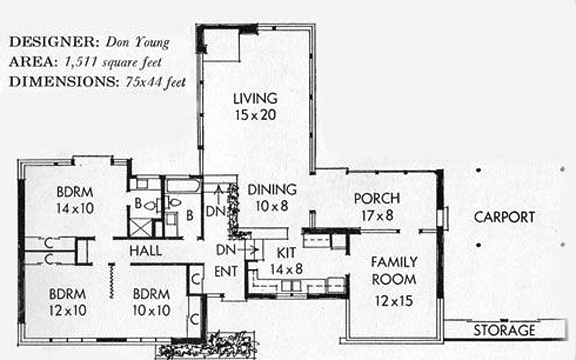
During the Baby Boom, Americans were looking for spacious, open homes that they could entertain in. The Mid-Century style lent itself well to the desires of suburban families. Homes were designed to be between 1,500 and 2,500 square feet – only slightly smaller than 2017’s home average square footage (2,687).

image source

EXTERIOR TRADEMARKS

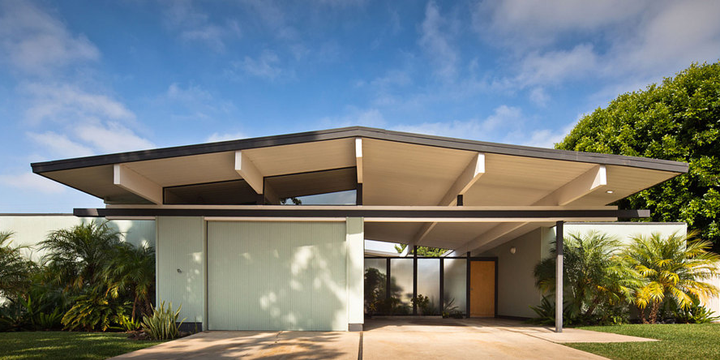
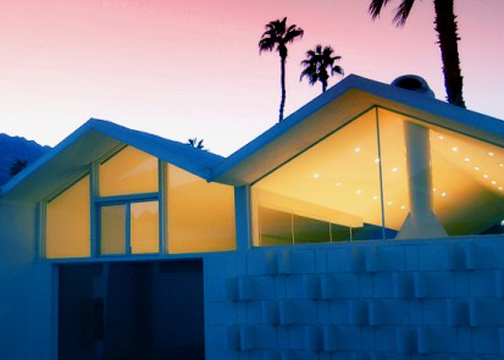
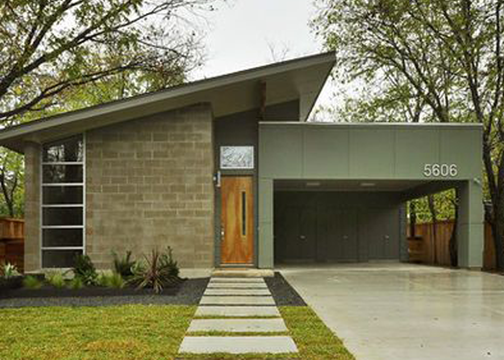
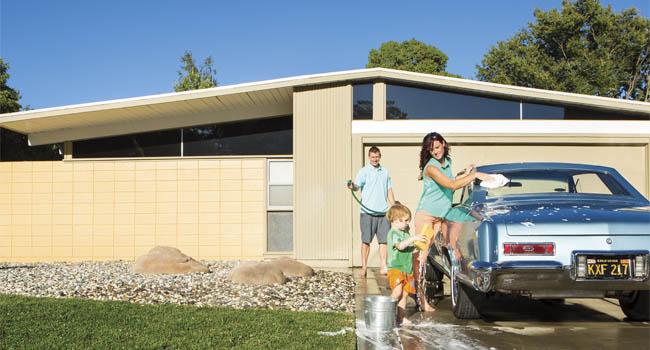
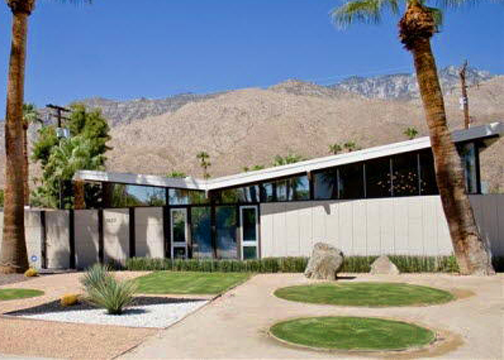
  • VARYING ROOF LINES: Creative roofs were popular at mid-century. Among those utilized most frequently were flat roofs with deep overhangs, saw tooth roofs, and the most beloved ‘butterfly roof’ – which got it’s name from the shape the gables take on as they connect at midpoint and extend upward.

image source

image source

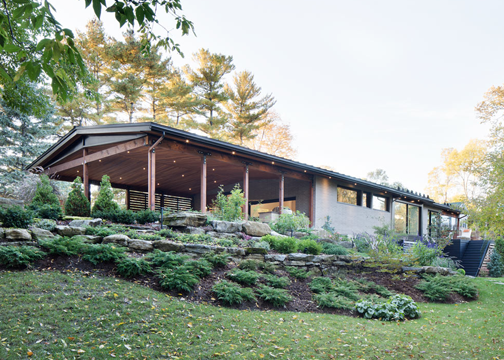
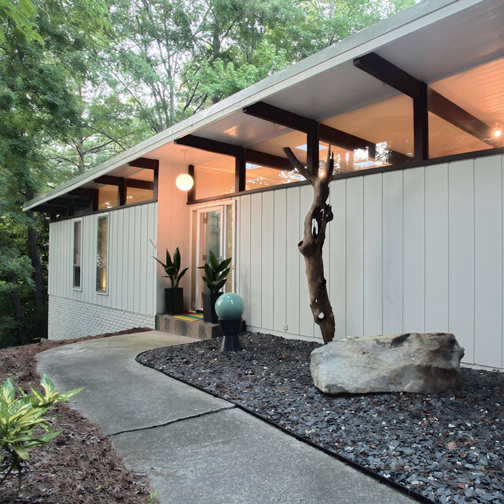
  • ONE LEVEL DESIGN: Generally, Mid-Century Modern homes are one story structures.

image source

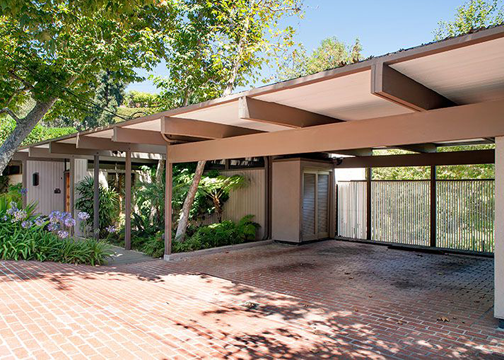
  • SPACE FOR AUTOS: This era of design was the first to begin offering shelter for automobiles. Many homes include attached garages or carports.

image source


image source

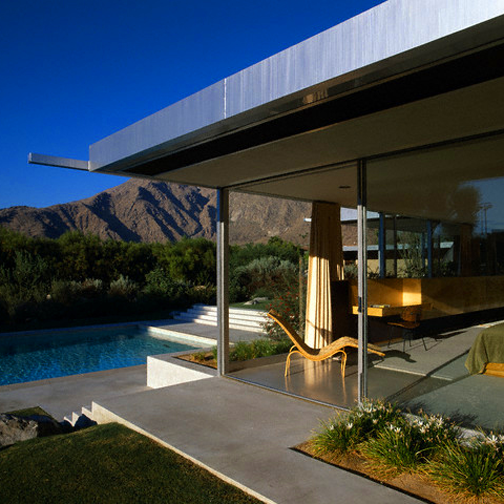
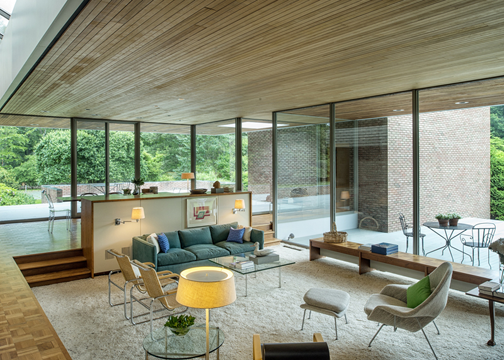
  • CONNECTION: Connection to nature was of utmost importance to the designers of the Mid-Century Modern style. As such, these homes feature a wonderful collection of indoor/outdoor spaces – such as large covered patios, enclosed courtyards, and entire walls that open up to allow access to the yard.

image source


INTERIOR SPACES

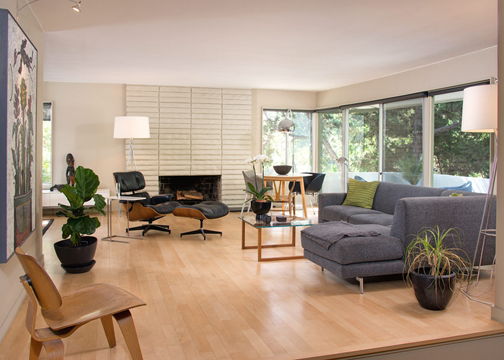
Whereas homes built before this time period were composed of smaller compartmentalized rooms, the Mid-Century modern home employed the ‘open floor plan’ approach. This was accomplished, for the first time, partly because of improved construction techniques. Heavy/solid bearing walls were replaced by posts and beams.

Typically these open spaces had a fireplace focal point.

image source

These homes were also the first to employ bi-level floor plans – including sunken living rooms, for example.

image source

COLOR SCHEME

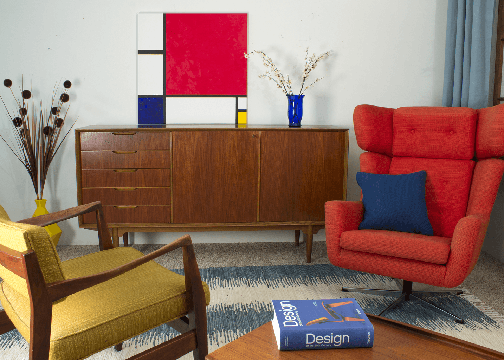
The colors used in the Mid-Century Modern style are warm and earthy. The tones are derived from the materials used, such as stone grey and rich auburn wood. There is also a generous use of graphic black and white that accompanies this style.

Other popular colors during the period when these homes were constructed include muted jewel tones – turquoise, emerald and mustard yellow, for example.

image source

image source

COMMON FEATURES

Of course, no two houses are exactly alike; But there are design elements that are seen again and again in Mid-Century Modern styled homes – such as these statement features:

  • PRIVATE FRONT FACADES: The entrance to a Mid-Century home is generally understated and private. These homes are typically oriented so that the backyard entertaining areas receive the mid-day sun.

image source

  • CLEAN LINES: One of the primary goals of this design style is honesty of materials – where the sole ornamentation comes from the materials themselves. The creative and streamlined use of stone, block, glass and wood is prevalent.

image source


image source


  • FLOOR TO CEILING PANES OF GLASS: Continuing with the desire to create a connection with the outdoors, many Mid-Century Modern homes employ large panes of glass – offering stunning views and an abundance of daylight.

image source


INTERIOR DECOR

Generally, the Mid-Century Modern decorating style could be considered sparse. The simple lines of the architecture are mirrored in the furniture pieces; and the furniture market during the Mid-Century era had a life all it’s own. The new materials of the day including plastics, resins, composites, laminate and fiberglass opened up an entire new range of possibilities.

image source

The furnishings best suited in these homes are clean and sleek, with minimal ornamentation.

Walls, ceilings and floors also showcase simple materials. The juxtaposition of different, and sometimes contrasting, materials is common.


image source

image source

FAMOUS MID-CENTURY MODERN HOUSES

You may already be familiar with these stunning examples of residential Mid-Century Architecture. They are classic,  and adored by many.

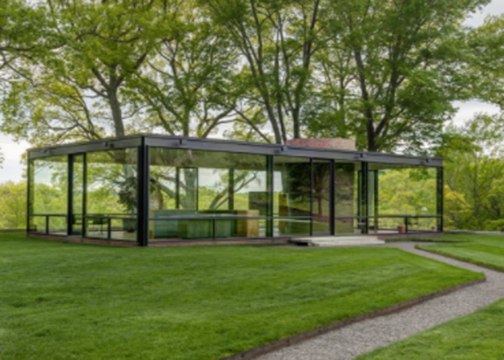
The Philip Johnson Glass House | Architect: Mies van der Rohe | 1949


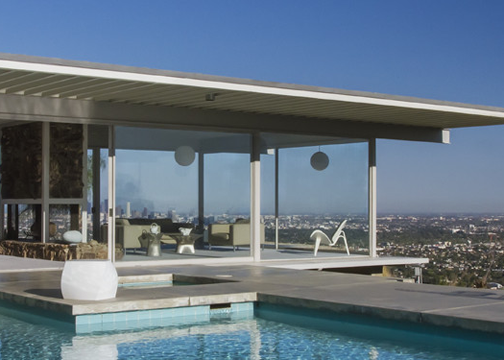
The Stahl House |Architect: Pierre Koenig | 1960


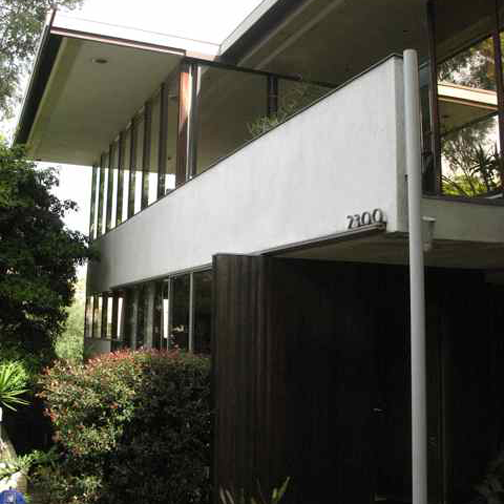
Neutra VDL Studio + Residence | Architect: Richard Neutra|1932/ rebuilt 1964


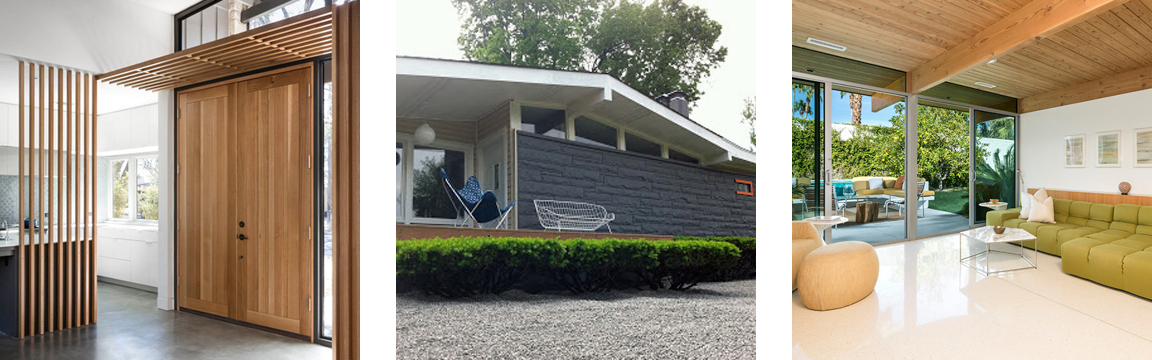
INSPIRING MID-CENTURY MODERN STYLE HOMES FROM AROUND THE WEB

These homes showcase the Mid-Century Modern style well. Take a closer look!

Left to Right: 12 | 3

I hope you enjoyed learning a bit more about the Mid-Century Modern style. Curious which residential style will be featured next month? Stay tuned!

And be sure to check out the previously showcased styles here.

THE KITCHEN WORK TRIANGLE EXPLAINED

Have you ever spent time in a kitchen, maybe at a friend or relative’s house, that just seemed really awkward / difficult to work in? Something didn’t seem ‘quite right’ but you couldn’t put your finger on what it was? I have a guess about what caused the problem….

THE LACK OF A WORK TRIANGLE

What the what?! Has Angela lost her marbles? No. Well, not all of them anyway!

When it comes to functional kitchen design, the triangle is KEY. And I’m about to tell you why.

The quest for efficient kitchen design is not a new one. In fact, the idea of optimizing the layout of the kitchen in an educated way dates back to the 1920’s with a woman named Lillian Moeller Gilbreth.

As an engineer, psychologist and mother to twelve (TWELVE!), she had a very unique perspective to offer on the function and efficiency of the home.  In 1929 her ideas were introduced at a Women’s Exposition.

These ideas on motion and efficiency were groundbreaking and she was hailed as ‘a genius in the art of living’. It is Lillian who is credited with developing the basic work triangle.

Fun fact: She can also be thanked for other modern kitchen conveniences such as the foot pedal trash can, shelves on inside of fridge doors (including the butter tray), and wall light switches!

In the 1940’s, the University of Illinois continued to research kitchen efficiency and developed the fundamental kitchen design principles that are still in use today.


SO… WHAT EXACTLY IS THE WORK TRIANGLE?

The kitchen is an absolute workhorse in the typical American home. Imagine yourself in your own kitchen. Of all the things that go on in that space, can you agree that the primary tasks are carried out between the cook-top/oven, sink and refrigerator?

Three major stations – the sink, the fridge and the oven. THREE. The idea behind the work triangle is this: You are going to be walking between these stations repeatedly during your time in the kitchen. In order to produce efficiency, there should be no obstructions that could make it difficult to get from one station to the next. Likewise, the distance between the stations should not be so great that you tire of walking, or too close that if two people are working in the room together they are constantly bumping into one another.

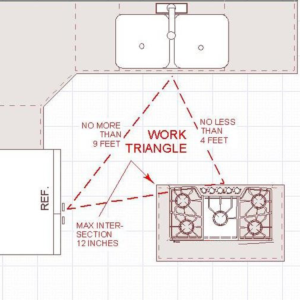
Consider the center face of each of these stations as one ‘point’ on a triangle.  Those points and the space between them make up the work triangle.


image source

BASICS OF THE KITCHEN WORK TRIANGLE

The principles of the work triangle are used by architects and interior designers when creating residential kitchens. There are some basic rules that need to be followed for the triangle to work properly.

LENGTH OF SIDES: No leg of the triangle should be less than 4′ in length, or greater than 9′. The sum of all three sides combined should be between 13 and 26 feet.

SPACING: There needs to be adequate space between stations to eliminate congestion. The average distance of separation is as follows:

Between the fridge and sink stations: 4 to 7 feet of separation

Between the sink and oven stations: 4 to 6 feet of separation

Between the oven and fridge stations: 4 to 9 feet of separation

image source

OBSTACLES: Cabinets, counters, or other obstacles should not intersect any leg of the triangle by more than 12 inches. In addition, there should be no major traffic flow going through the triangle.

image source

WORKERS: The work triangle is best optimized for one person working in the kitchen at a time. Some of the efficiency will be lost if the triangle is shared by two or more people.


It should also be noted that a kitchen with a work triangle isn’t the ONLY option. If your space dictates that all three work stations be positioned along one wall, for example, it is not the end of the world. There are plenty of high functioning kitchens that do not employ these principles.

EXAMPLES OF KITCHENS WITH WORK TRIANGLES

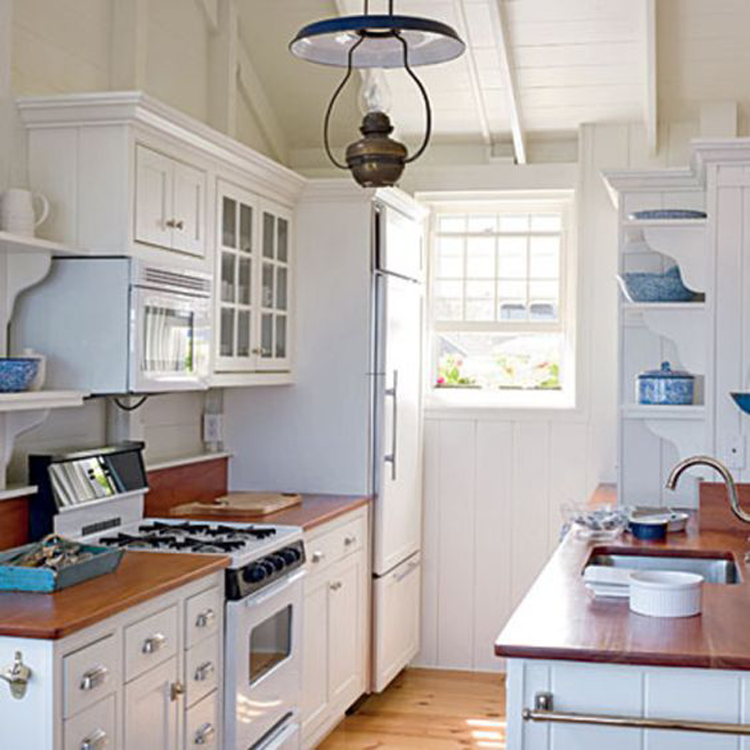
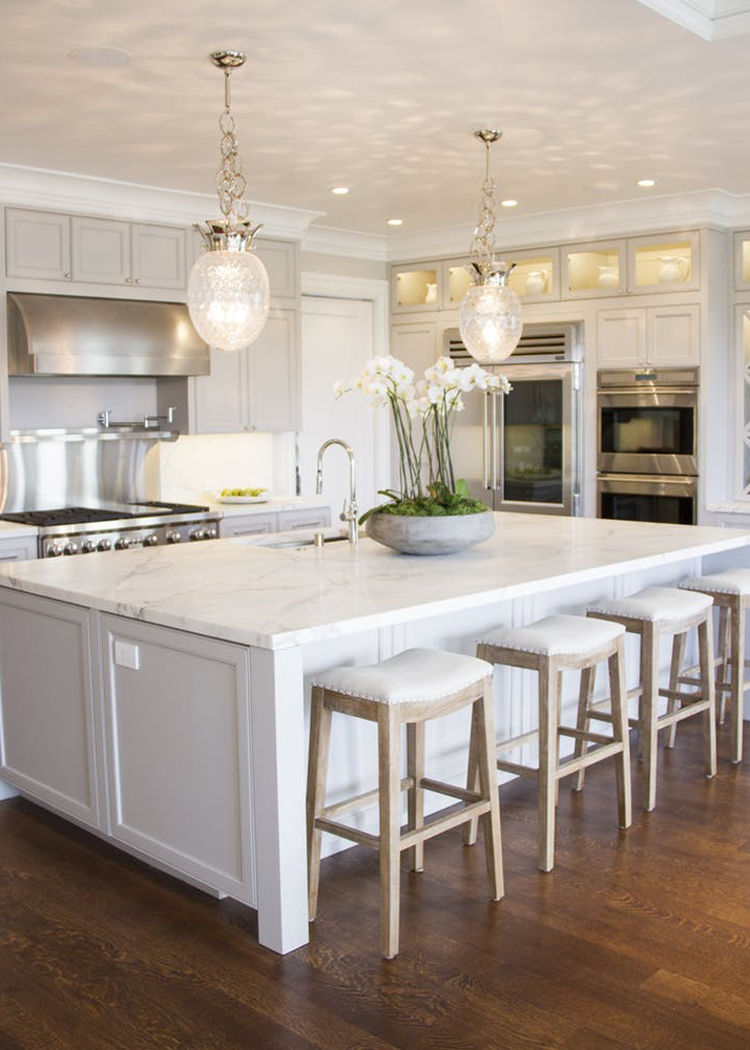
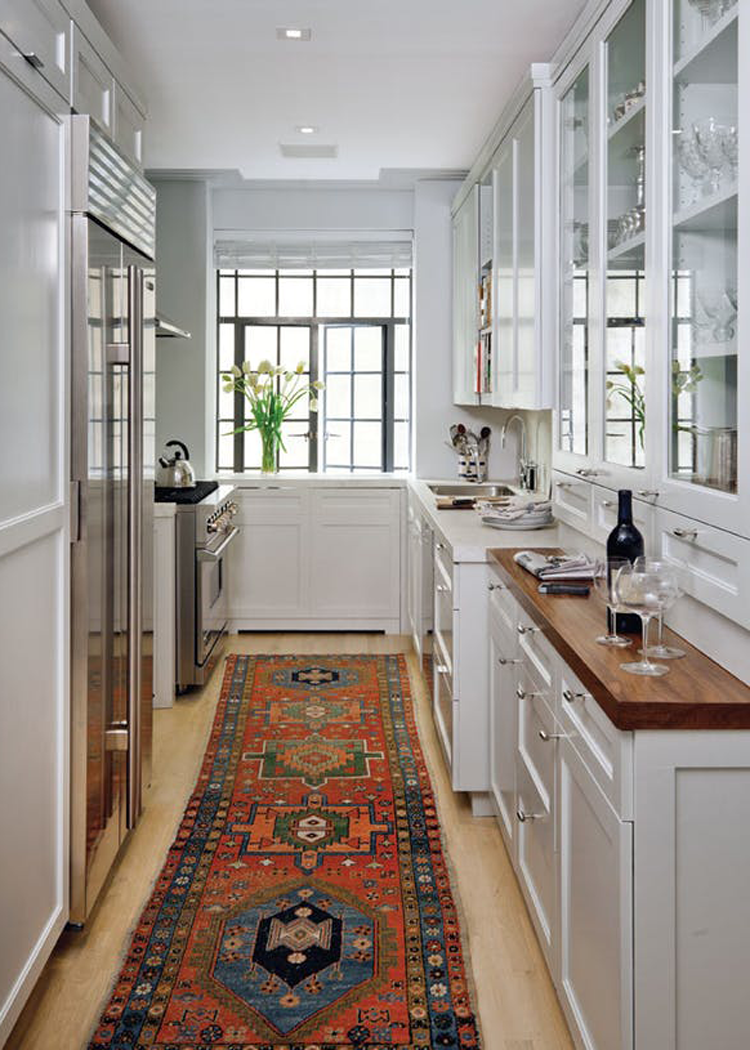
I mentioned in a previous post that our new kitchen at Arrow Hill Cottage will utilize these principles – but since it isn’t built yet, I thought I would share a few images of kitchens that are rocking the triangle.

image source


image source


image source

So now you know! Next time you hear someone complain about their awkward kitchen, ask them if they know about the work triangle – or better yet, share this post!

TRADITIONAL BATHROOM REMODEL IDEAS: MAKEOVER TAKEOVER FOR MATT & HARMONY

I’m back today with another MAKEOVER TAKEOVER!  The first virtual takeover, of my own parents bathroom, was received very well and I have since had a few requests come in from readers with tricky spaces they would like help with.

Remember that this is a FREE digital home design consultation, which is available to anyone who subscribes to the Arrow Hill Cottage website. If you would like this free service, simply email me with a few photos and a description of what issues you would like resolved. If chosen, I will offer a solution + inspiration through 3d images and sourced items. Hurry though! I only have the ability to do one Makeover Takeover each month and the spots are filling up quickly!

This post contains affiliate links to products for your convenience.  If you purchase via my links, I may receive a small commission at no additional cost to you.  Thanks for supporting Arrow Hill Cottage!

For this Makeover Takeover installation, I had the fun privilege of helping with a bathroom that is located in a house that Craig and I used to own! We sold our 1905 American Foursquare to Matt & Harmony about three years ago, and it has been amazing watching them transform it to meet the needs of their own family. It is wonderful knowing that a house you lived in and loved for nearly 10 years is now in the care of people who love it just as much! They have tackled other remodel projects in the home with much success and have decided it is now time to turn their sights on the upstairs hall bathroom to make it their own.

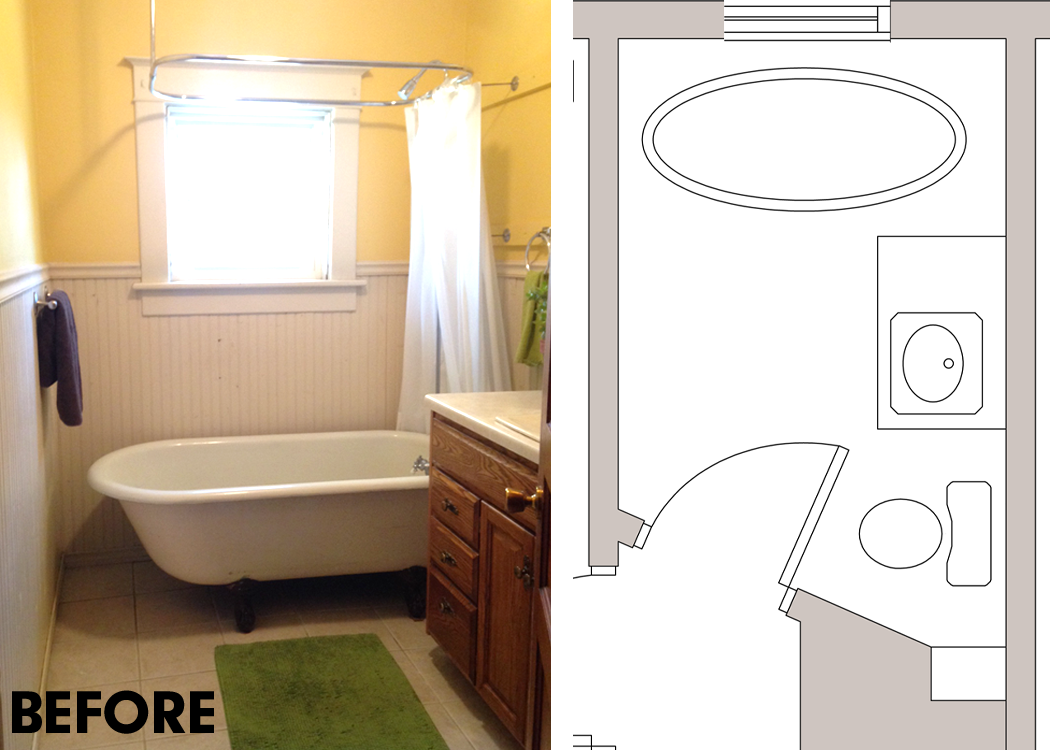
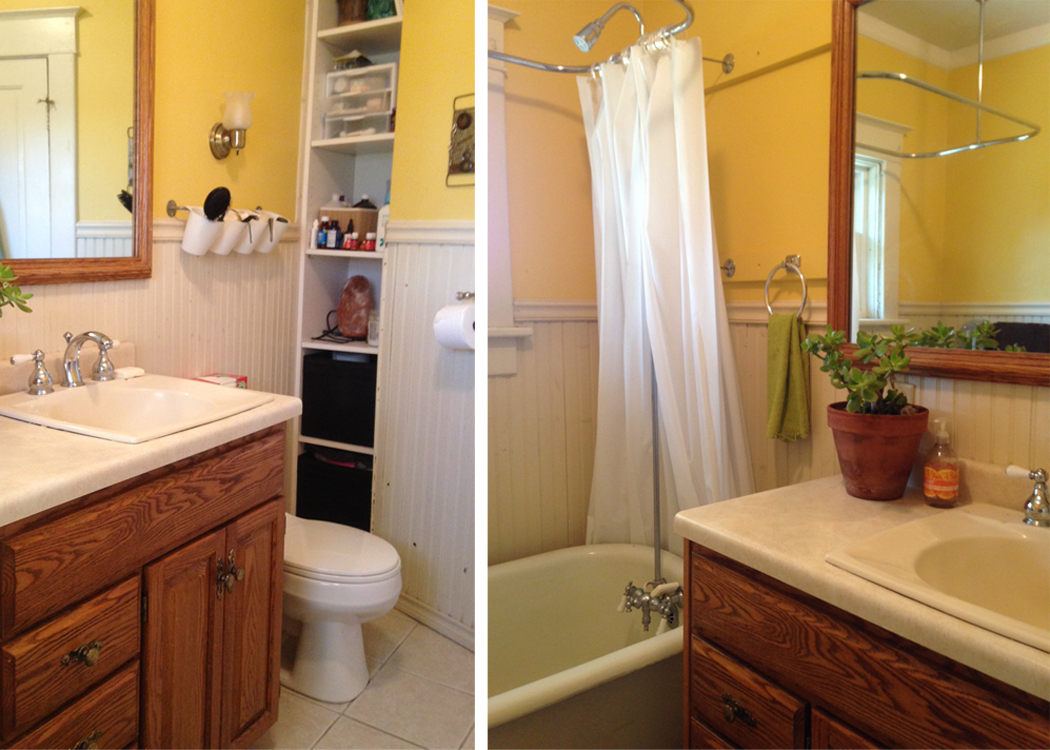
This is the only bathroom on the second level of the house, and serves all four bedrooms. The owners before us had done a bit of repair in the room – to get it clean and updated. They didn’t, however, take the style or period of the house into much consideration and some of the finishes just don’t seem quite right. When Craig and I lived in the house, the most major update we gave the bathroom was removing the plaster ceiling and installing drywall. We also added a new light fixture/ vent fan, installed built in shelving in the corner for extra storage, and painted the room a bright yellow.

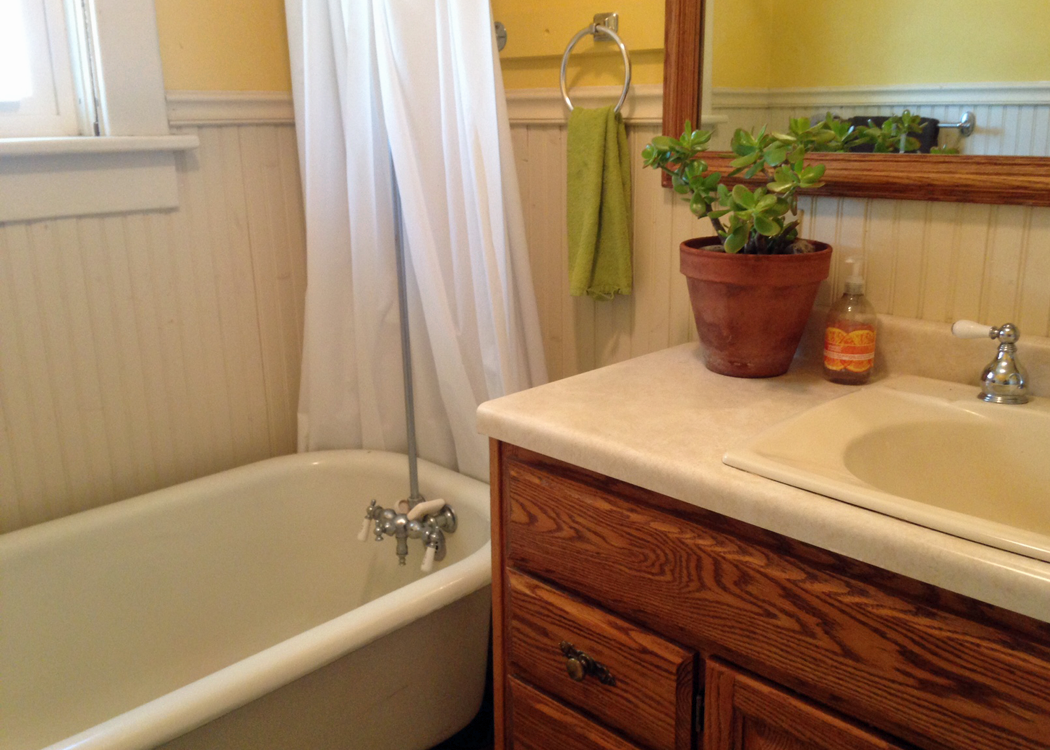
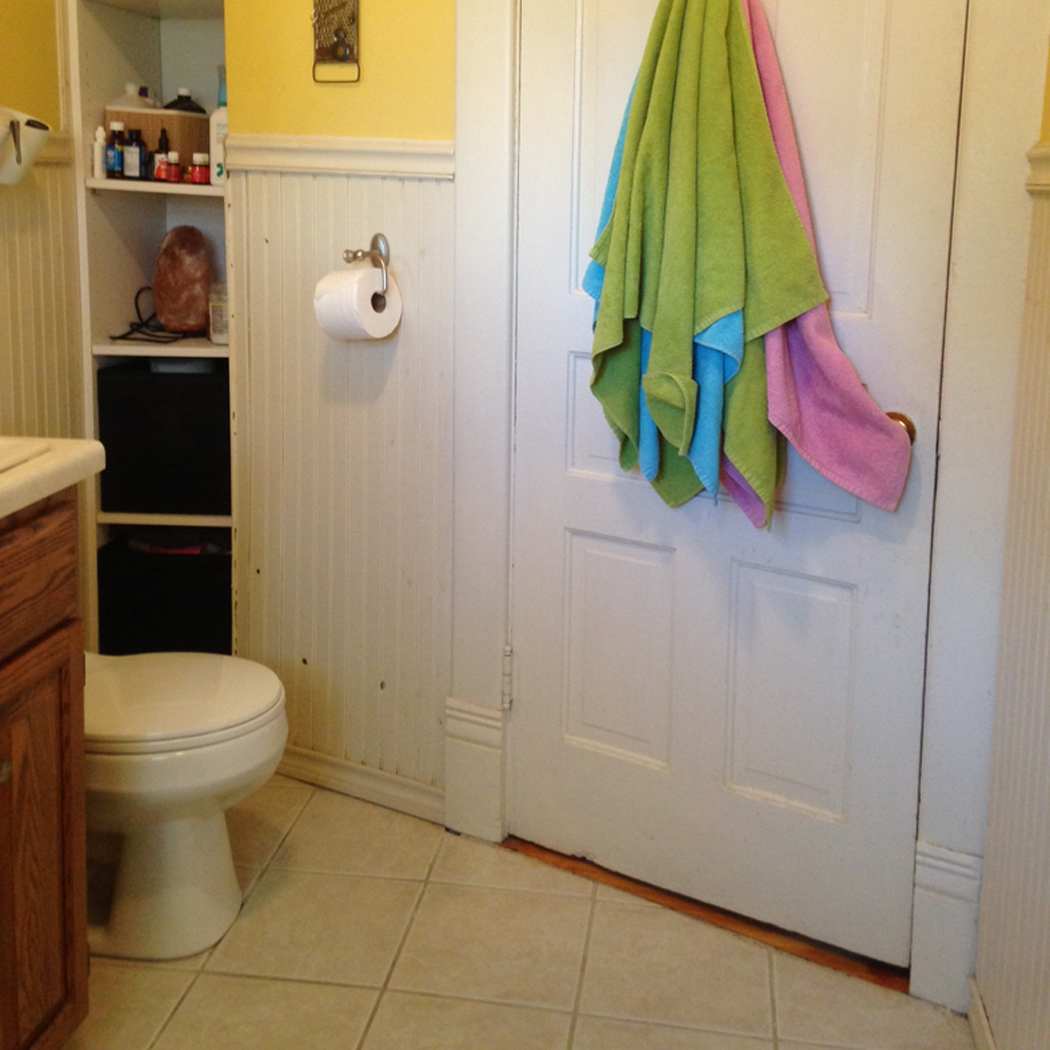
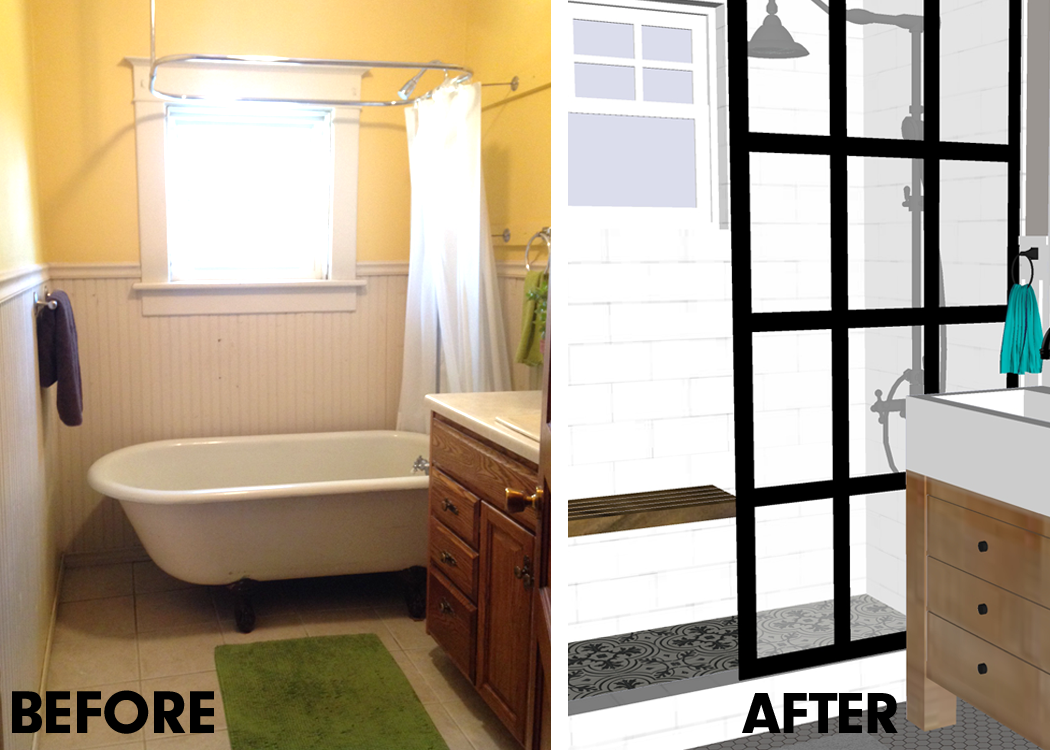
This is how the room looks today:


PROPOSED PLAN CHANGES

As you can see by the plan, there are some odd angles in the room. There is ample space though, and some nice natural light brought in by a high square window. There isn’t much of a reason to reconfigure the fixture locations in the room. Thankfully the layout seems logical. Matt & Harmony did request that the large clawfoot tub be removed and replaced with a tiled shower. Though it is a really cool vintage touch, the shape of the tub means that it isn’t super functional to stand and shower in. I’m sure the historic fixture will find new life in another bathroom somewhere.

Another major change for the bathroom is the door. Currently the door swings in and hits the toilet. It makes sense to install a sliding barn door. Not only will it free up space in the room, it will look amazing!

FINISH INSPIRATION

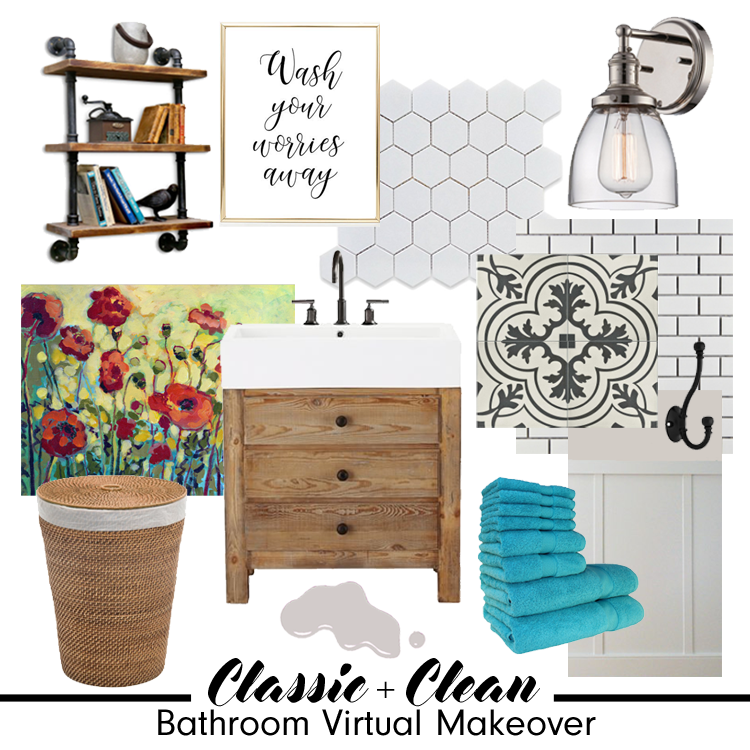
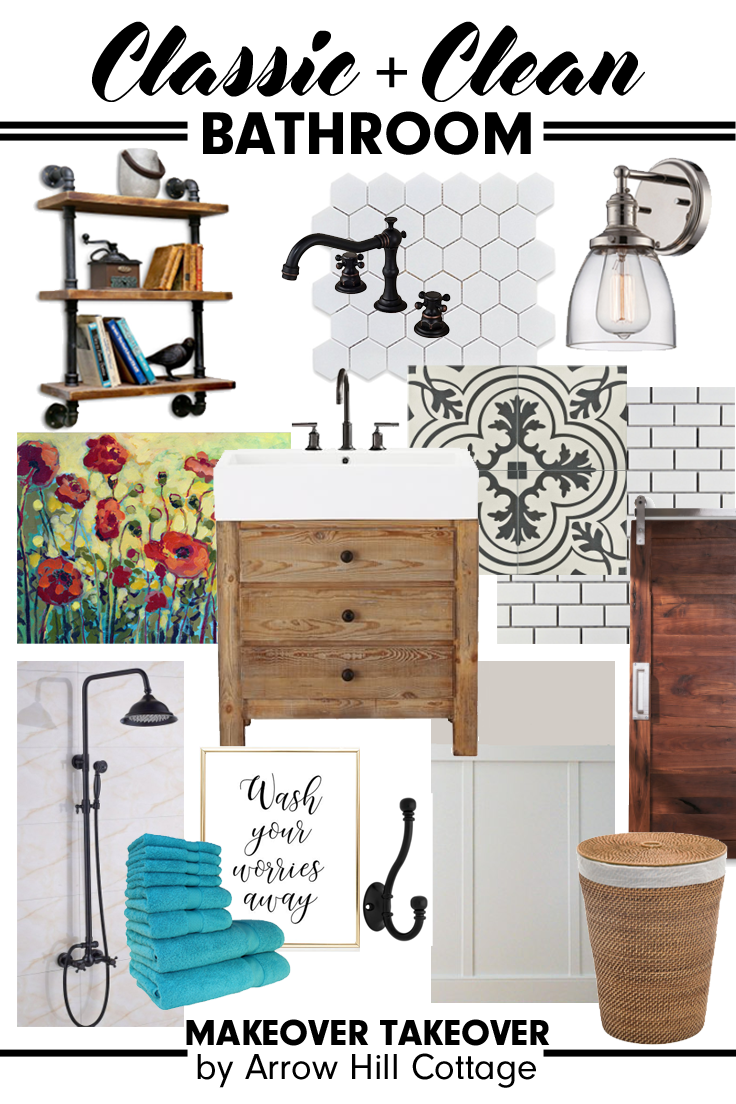
Matt & Harmony shared with me some inspiration images of finish materials they want to see in the space, and let me tell you – they have GREAT style! They really did make my job very easy! I was able to source amazing items from various online retailers to create an inspiration board for an updated traditional bathroom that fits the time period of the house and the classic style of it’s owners. You can learn more about each product by clicking on the titles below.

VANITY: This piece is a great focal point for the room. Created using reclaimed lumber, it adds warmth and history.

FAUCET:Dark bronze with an antique look, this faucet complements the vanity well.

SUBWAY TILE: You really can’t go wrong with a simple white subway tile!

HEXAGON TILE: Another all white option, the hex tiles are the perfect choice to pay homage to the period of the home. They were all the rage in 1905!

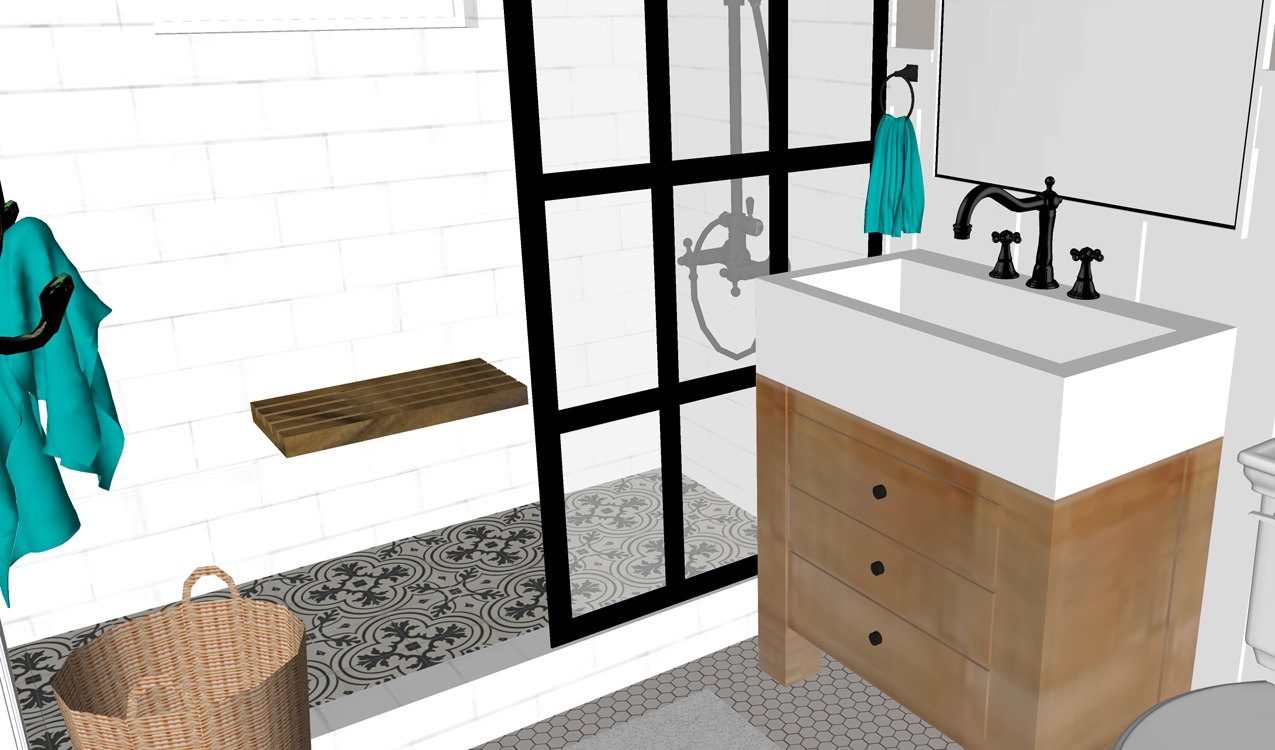
PATTERNED TILE: The fun pattern adds a bit of whimsy to the room. I added it in the shower only, so as not to make the small room seem too busy.

SHOWER PARTITION: Ties in the other black and white elements in the room.

SHOWER FAUCET: Complete with a rain shower head and a hand held spray, this faucet system is versatile. It also has a matching finish to the sink faucet.

BOARD & BATTEN: A great traditional detail that adds charm to the room. The link will bring you to a tutorial on how to install DIY board & batten.

TOWEL RING: Providing a simple place to hang a hand towel near the sink

MIRROR: This thin trimmed mirror looks great with the other finishes in the room.

WALL SCONCE: An updated light fixture with vintage charm

DOOR HARDWARE: The sliding barn door will require some heavy duty hardware!

RUG: Fluffy white and just big enough for place to stand both at the sink and when getting out of the shower. The bonus is that it is washable and has a non-slip backing!

HAMPER:Large enough for dirty towels and clothes, but small enough to not overtake the small room. Comes with a lid and a liner.

WASTE BASKET: A small metal variety with a lid – fits perfectly in the small niche, under the shelving.

SHELVING: Adding a bit of industrial look to the space, these shelves dress up the niche.

SHOWER BENCH: A shower bench adds a lot of versatility to a shower, allowing even young children to shower safely. This bench is made to fold when not in use.

WORD ART: Fitting sentiments for a bathroom!

FLOWER CANVAS ART: These flowers add the perfect pop of color.

TOWEL HOOKS: One for each member of the family – lined up on one wall.

TOWELS: These colorful fluffy towels are sure to brighten up the room.

WALL PAINT COLOR: I think this light grey color from Behr, called ‘Cotton Grey’ provides the perfect backdrop.


AND NOW FOR THE BIG REVEAL!

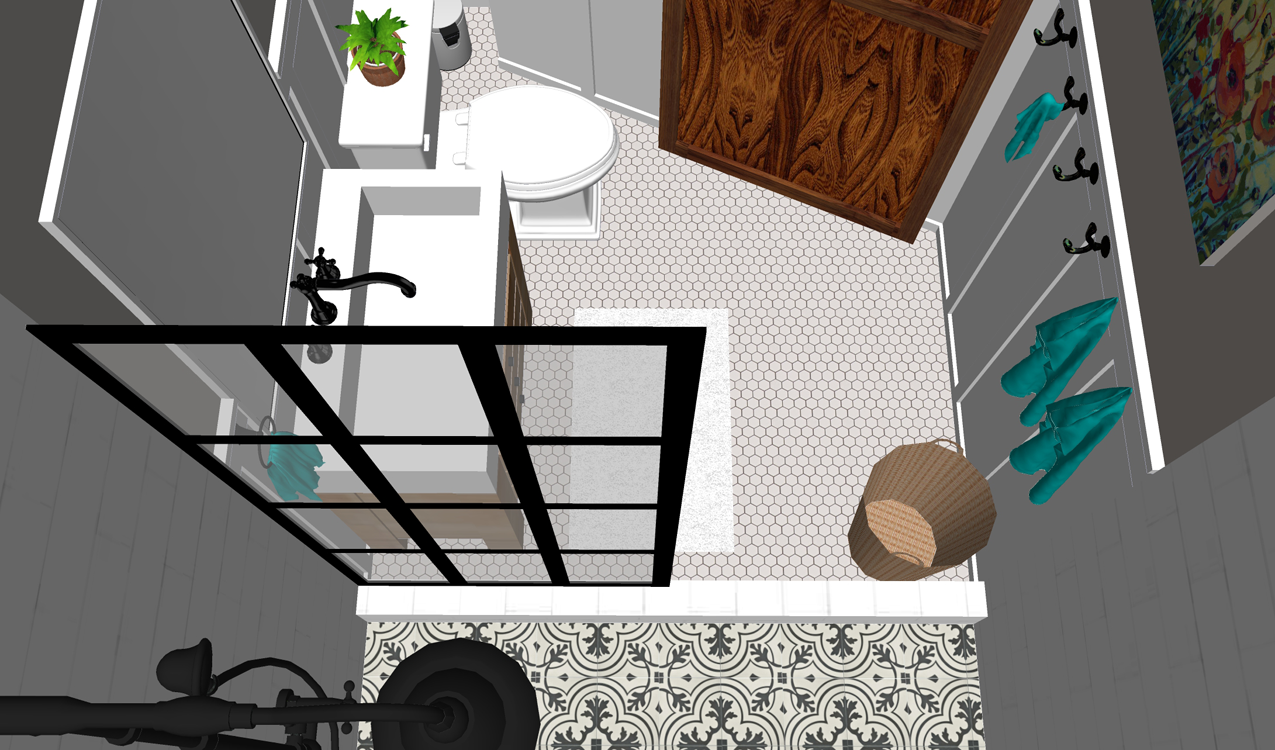
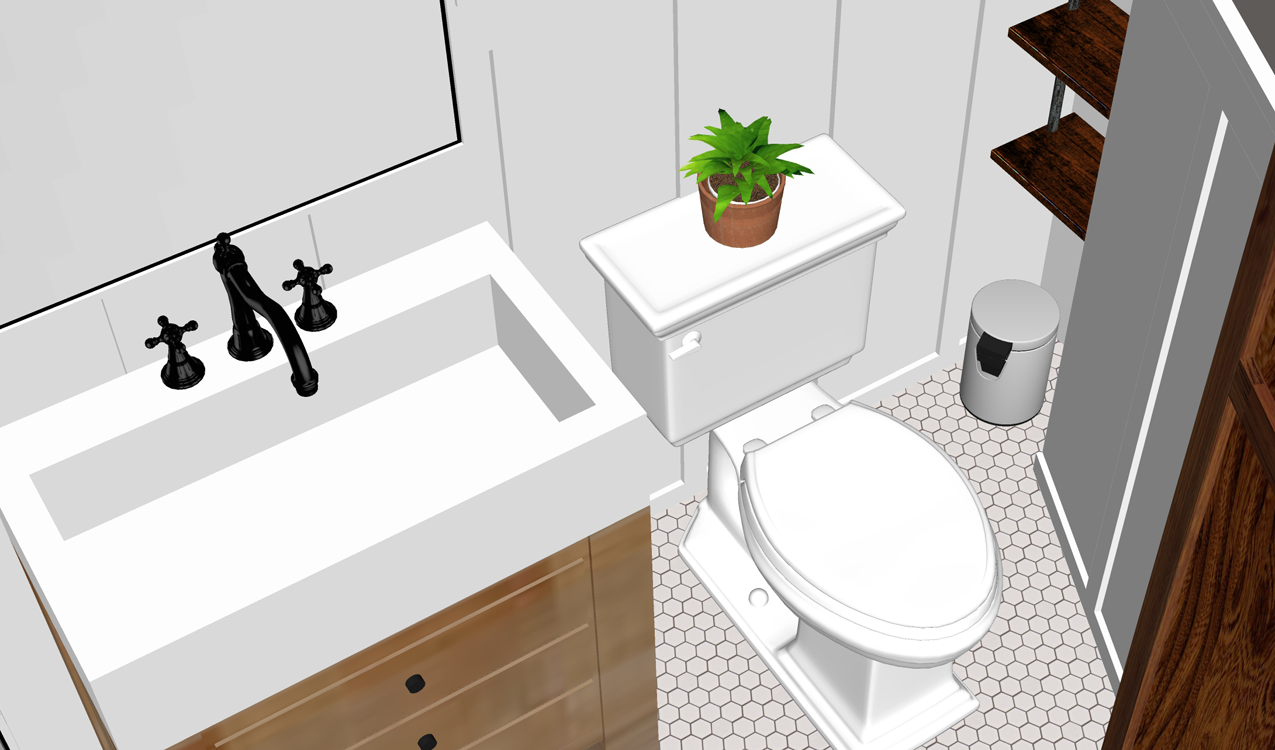
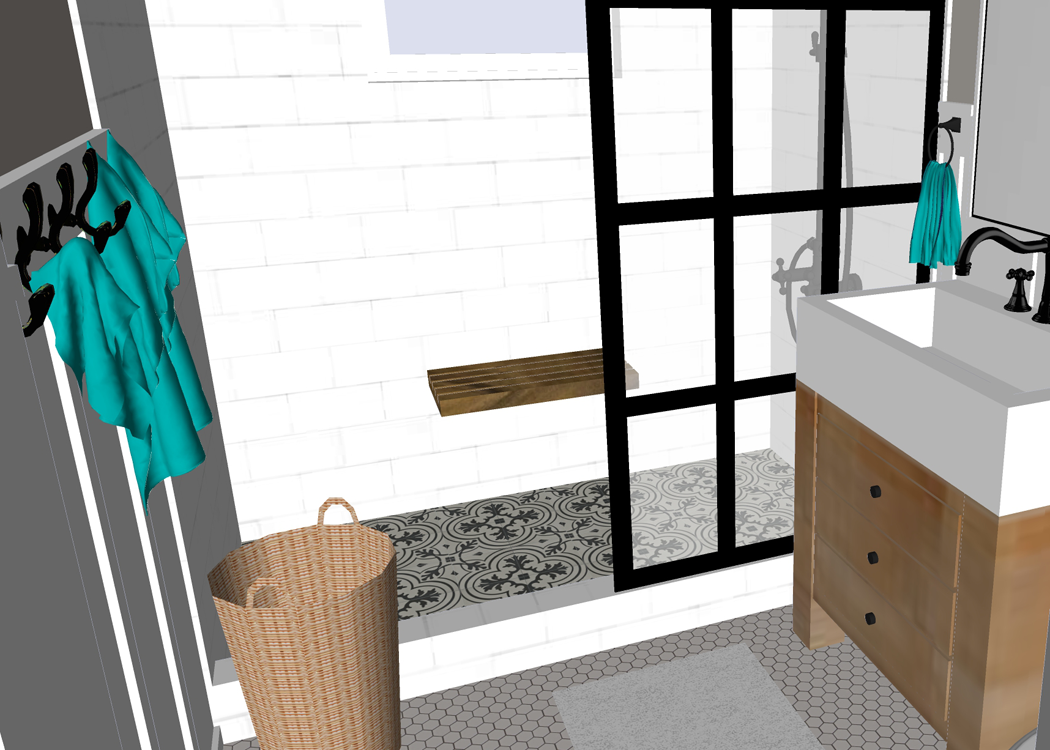
Can you spot the differences? Quite a few changes, I would say. I think the virtual makeover gave the room a much more period appropriate style – and yet the room also has clean and contemporary lines, a fresh look.

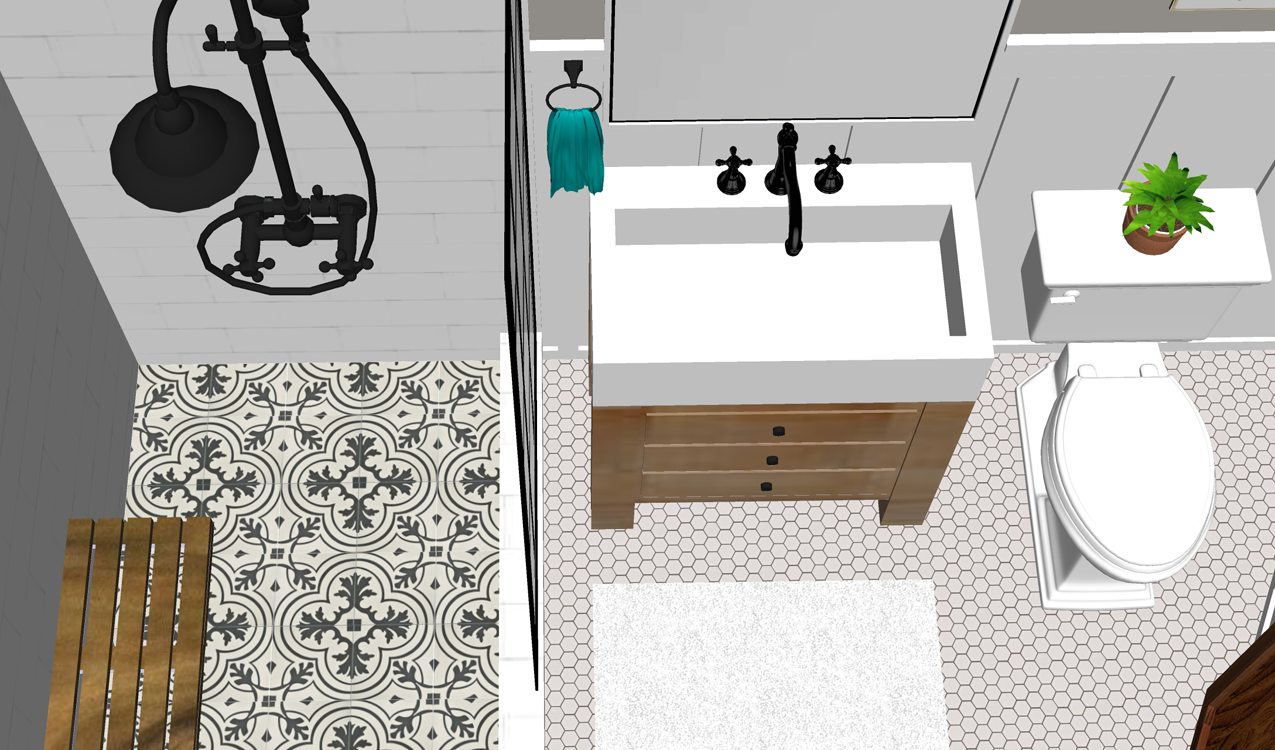
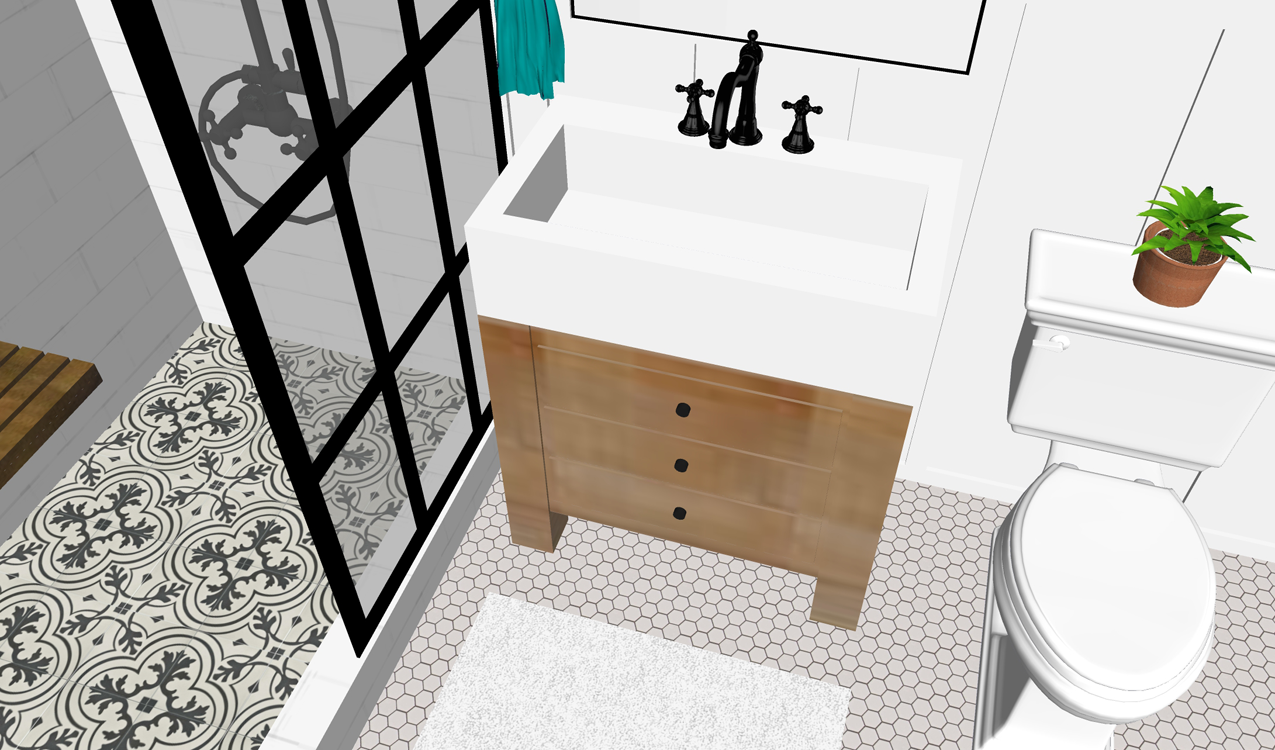
More views of the virtually remodeled space

The 3d animation really shows the space changes well. Click on the play button for a virtual tour!


I hope that Matt and Harmony are able to incorporate some of these changes and that they invite Craig and I over to see it in person once they do! Working on their bathroom gave me a lot of fun ideas for our bathrooms at Arrow Hill. Maybe I will work on those next!

If you like what you see, and think a friend could get some inspiration from this bathroom virtual makeover, go ahead and use the buttons below to share this post. Spread the word about the free Makeover Takeover service while you’re at it.

Thanks friends!


BUILD A HOUSE ON A BUDGET USING THESE 9 TIPS

The cost of building materials and labor has gone up considerably through the years, making it even more difficult to build a brand new house. Many people have taken to buying a fixer upper and slowly repairing and updating it to meet their personal needs. This can be a wonderful option for those who don’t mind living in a bit of a construction zone; But for some people, a new house sounds much more appealing, for a variety of reasons.

In this article I lay out nine simple tips that can help you build a house without breaking the bank.


TIP #1: DETERMINE WHAT YOU CAN AFFORD, ESTIMATE EARLY, AND STICK TO A BUDGET

You need to determine early on how much money you have to work with.

Set up a meeting with a loan officer, who can help you get a general idea; and remember that just because you qualify for a certain loan dollar amount or have ‘x’ amount of available cash, you don’t need to spend to the max. Be sure to include the cost of your site in the budget, if you do not already own property.

Spend time working on your first floor plan layout. Though it varies, the average cost to build a basic home, using fairly standard materials, is around $125/sf. After determining the square footage of your floor plan, multiply it by 125 to get a basic idea of how much your house might cost to build. Does this number seem to line up with what you have determined you can afford? If not, it’s time to go back to the drawing board!

Once you determine your budget, you will need to be checking back with it continuously – not only during the design process, but also once the building begins. All decisions you make will need to be filtered through the lens of the budget. When picking finishes, for example, if you decide you really want to add granite counters in your kitchen but your budget only allows for laminate, you are going to have to make a decision and likely a compromise.


TIP #2: KNOW HOW MUCH SPACE  YOU NEED

The size of your home is going to be an important deciding factor on how expensive your build is. As mentioned in this post, you should consider what size of home you actually need to live comfortably. You might be surprised to learn that you don’t need as much space as you thought you did!


TIP #3: FIND A SUITABLE SITE

The costs associated with the building site, both in purchase and preparation can account for a large portion of the budget. Although there are exceptions, it is generally recommended that you spend no more than 20% of the total cost of a home construction project on a building site. For example, if you have $120,000 to invest in a home project, you should spend no more than about $24,000 for the land.

This image, from Pixabay, features a site that was probably VERY expensive to build on!

It is important to find a suitable building site near the beginning of the design process, to ensure that the site and home complement one another. The most cost effective lots are those that are flat or slightly sloped with few trees, and have access to public utilities. Be aware though that sometimes the more ‘difficult’ sites have the potential to be purchased for a deep discount; and, with some creative design, could become a perfect spot for your new home.


TIP #4: DESIGN SMALL & TALL

The two most expensive elements of a home to construct are the foundation and the roof. For this reason, compact two story homes are generally more affordable than one level, sprawling residences.

If you are looking for ways to reduce the footprint size of your house during the design phase, consider these techniques:

ELIMINATE HALLWAYS
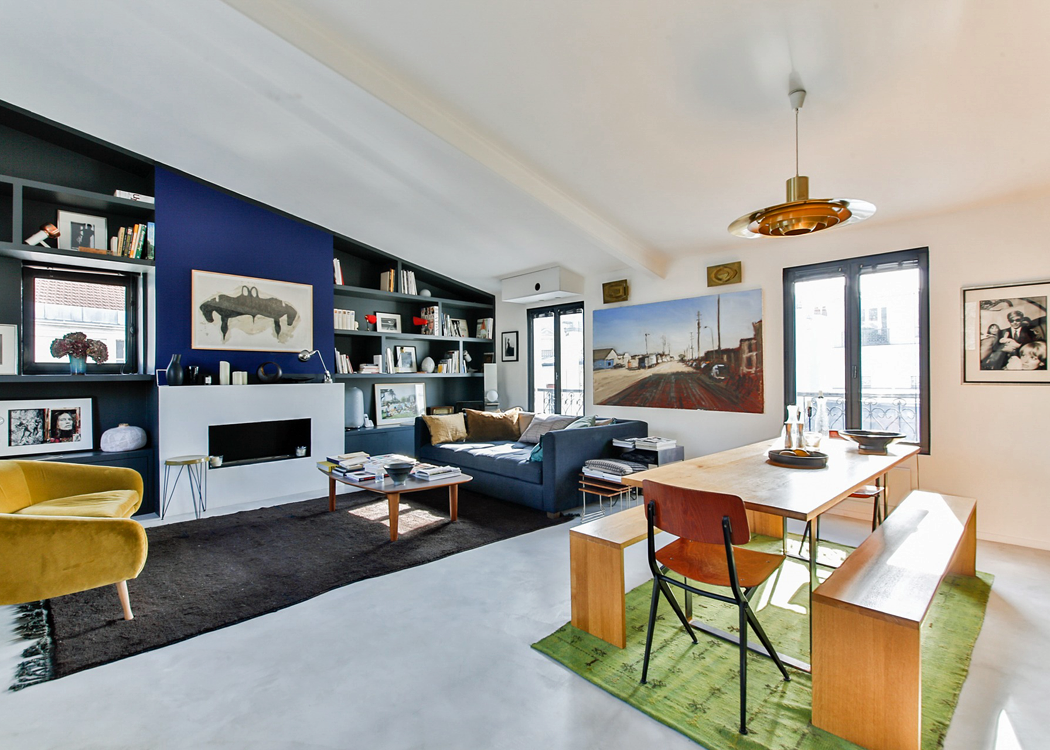
Hallways are space hogs. Eliminate them by using the rooms themselves as circulation. If hallways are impossible to avoid, try to reduce them as much as possible.


CREATE MULTI-USE ROOMS
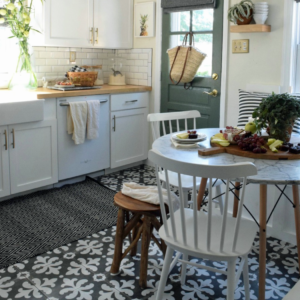

image source

By designing rooms that can serve more than one purpose you can shave quite a bit of square footage from the floor plan. Consider an eat in kitchen, or an office that doubles as a guest room, for example.


REDUCE BELONGINGS


The fewer items you have, the less space you need to house them. Creating an entire room for the storage of seasonal decor may not be the best use of limited square footage. Consider smaller scale furniture instead of large/ bulky pieces. For example, a sectional sofa will take up less space than two couches in a living room.

SHARE
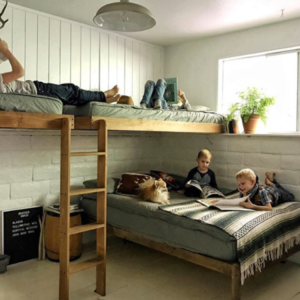

image source

If you have children – consider having them share a bedroom. Even if they aren’t fans of the idea, you can rest assured that sharing won’t hurt them, and may actually be good for bonding. Check out these bonus tips on how to accomplish a shared space for the kids.


TIP #5: CONSIDER BASIC / SIMPLE SHAPES

A rectangle or square shaped home, with four corners only, is the most simple and cost effective to build. For each corner that is added, the price increases. Extra corners affect the complexity of the foundation and the roof, which as previously mentioned, are the most expensive aspects of a new build.


TIP #6: UTILIZE STANDARD MATERIALS

By designing with materials that are readily available, you can save a bundle. Simple cinder blocks and pine planks can be arranged in creative and aesthetically pleasing ways that won’t break the bank.

This house is an example of how standard materials can be combined in a beautiful way.

Consider checking out the discounted stock at your local home centers. As the quantities of their inventory get low, the stores will begin to offer them at bargain prices. This could be a perfect solution for those small spaces, such as powder rooms or entryways.

You can also find reclaimed materials inexpensively. Check  the local Habitat ReStore, Craigslist, or even the trash yard. If you know of a house that is about to be torn down, inquire about purchasing the useful bits that are salvageable (doors, trim, or hardwood floors, for example).

Purchasing stock cabinets is another way to save big. You can create a layout using typical pre-built sizes and arrange them to get the look of custom cabinetry.
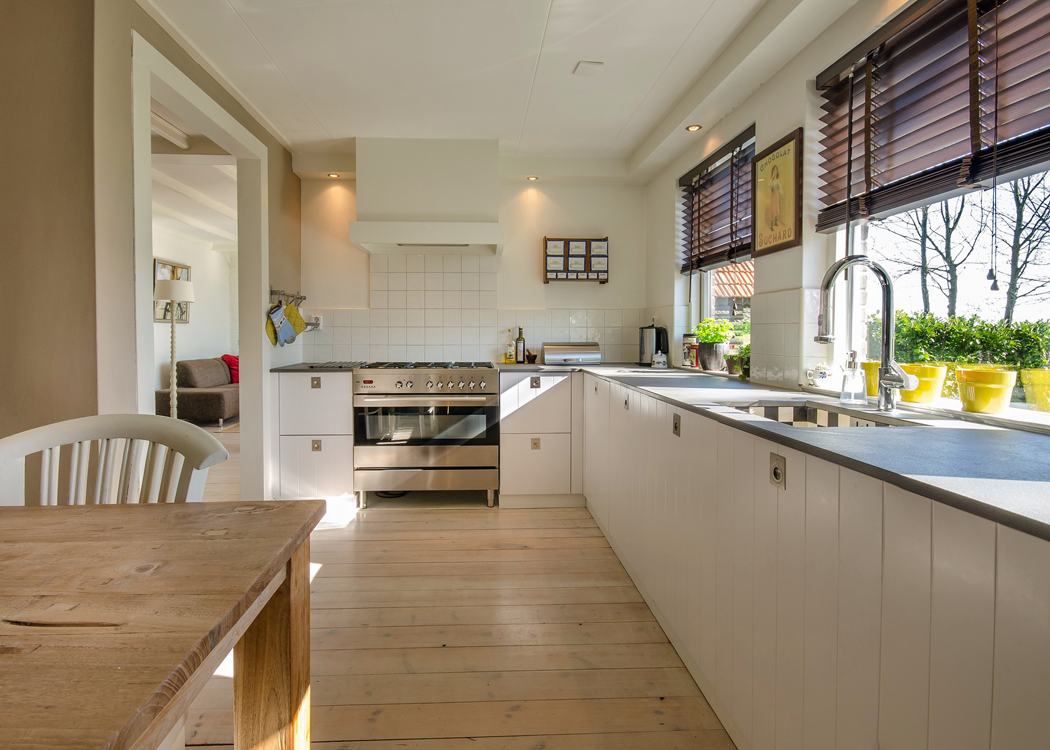
This article, written by Apartment Therapy, provides ideas on how to use stock cabinetry throughout the home.

Please note that it doesn’t always make good financial sense to use extremely cheap ‘builder grade’ materials, especially on the exterior of your home. Though the upfront costs of these materials may be lower, there is an increased possibility that they will need to be replaced more quickly, negating your initial savings.

TIP #7: BUILD IN PHASES

There is a chance that while you are in the process of designing your home you will come to the realization that your family needs more space than the budget will allow. Look at the design closely to determine if there is a way you can split the construction into phases. One common technique is to build the house first, and add on the garage at a later date.

This house is a great example of one that was designed to be built in phases

Another option is to build the house shell, and finish the main floor living space only. The basement or second level / attic can be left unfinished until the money becomes available.


TIP #8: ADD SWEAT EQUITY
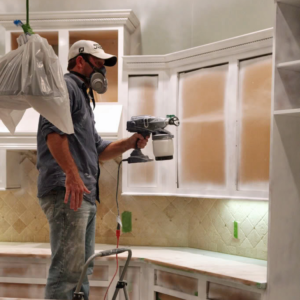

image source

Though not everyone is cut out to be the general contractor of their build project, there are plenty of smaller and more simple tasks you could tackle to save some serious cash. You could paint interior walls, install flooring, or even shingle a low pitched roof. The time you spend tackling these projects will allow the construction crew to focus on the more difficult tasks. Be prepared though, that these odd jobs will likely take you more time than a crew to finish. You should communicate and coordinate with your contractor to be sure you aren’t holding up any future steps by taking on the work yourself.


Be mindful that unless you are very familiar with construction, there are a few jobs that are probably best to steer clear of:

FOUNDATION: The foundation is just so important. It needs to be level and square. If you are using a poured foundation, it is vital that the consistency of concrete is correct. This is more than a DIY endeavor and should be passed to the pros.

ELECTRICAL: For safety reasons, the electrical work is something the typical homeowner shouldn’t tackle. Not only will your home need to pass an electrical inspection, it will also give you peace of mind to know that this specialized job was done right.

ROOF FRAMING / TRUSS WORK: The framing of the roof will likely involve the use of a crane to bring in trusses. Working in close proximity to heavy machinery can be unsafe; and if the house is two stories, a fall from that height can cause major injury.


TIP #9: DELAY BUILDING

If you aren’t quite ready to make the above compromises – your best option is to wait to build. If you start a home building project before you are ready, you risk making foolish and expensive decisions during construction that could give you a financial headache. There is something to be said about waiting. It may even make you appreciate your new home even more. In the end, you want your home to be a blessing and not a curse!

Personally speaking, my husband and I have waited a LONG time to get to the point where we felt ready to build. Designing and building a house for our family is a dream that has literally been YEARS in the making. I know that once Arrow Hill Cottage is complete we will be so thankful we took the extra time to make sure we were financially ready.

I hope you enjoyed these nine simple tips and have learned that building a house can be affordable, even on a budget, if you are careful in the design/planning stage and mindful throughout the construction.

Pin this image to save these tips for later!

READER SHOWCASE: CILICIA + JUSTIN’S HOME

Today I am introducing a brand new feature to the blog – THE READER SHOWCASE – where I share photos and information about projects that YOU, my lovely readers, have tackled! I know there is a ton of amazing talent out there, and am excited to show everyone in blog-land what you have been working on.

For the first installment, I asked my friend and fellow creative soul Cilicia to share all of the changes she and her husband Justin have done to their cute house. I think you will all be inspired!

Cilicia, please tell me a little bit about your home.

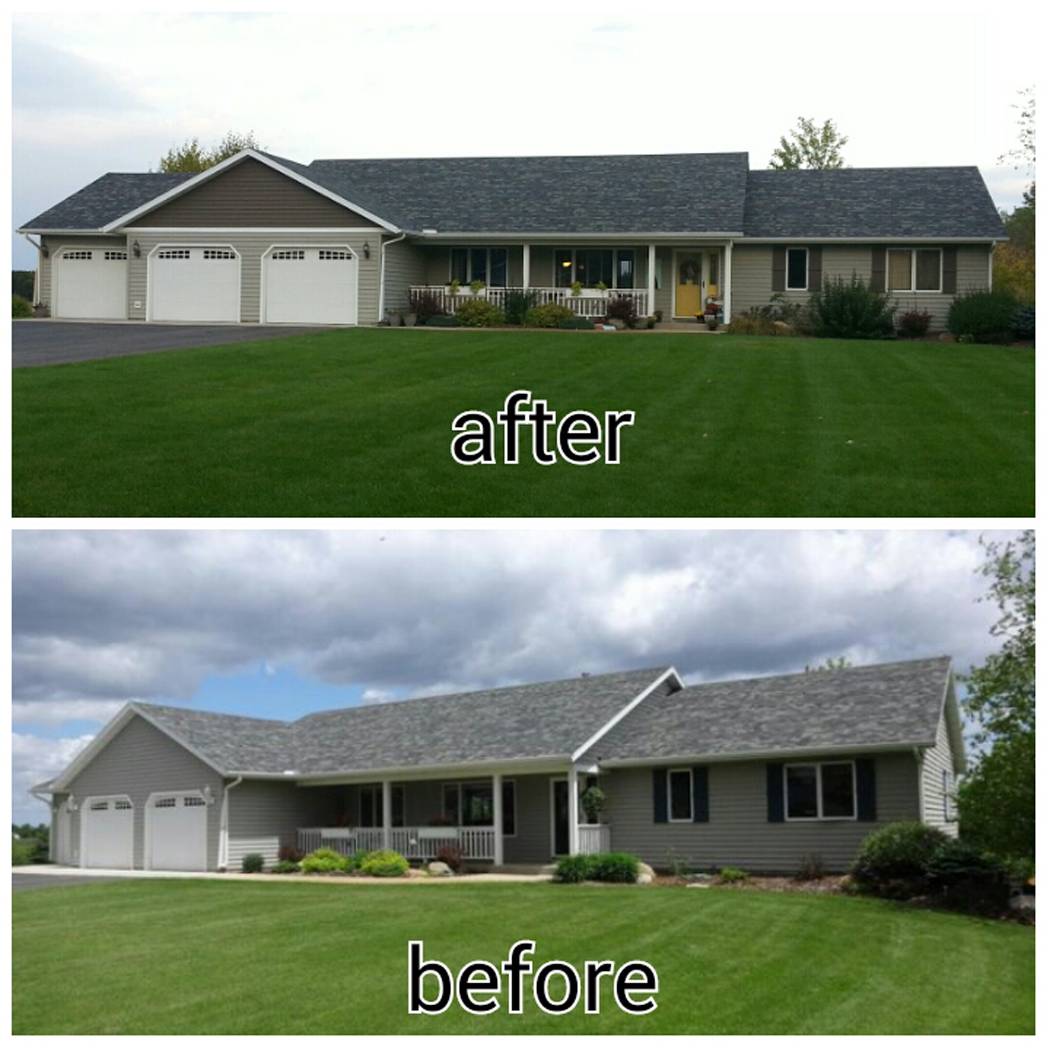
We live in a 2000 walkout rambler, nestled at the end of a cul de sac. It’s on the outskirts of town and feels like the best of both worlds (city and country). We have a happy view out our back windows and can enjoy both the sunrise and the sunset from our dining room table.

I love the detail they added on the garage. And that yellow door is a stunner!


What is your personal design style?

This is such a loaded question! My style has evolved so much over the last 20 years. I tried to figure this out myself early on in our home transformations, but found it rather hard to pick just one style to adhere to. I decided that I would start buying pieces that I loved, rather than pieces that fit an expected style. In doing this, you will find a mix of shabby chic, modern, contemporary, mid century and items that don’t have a place in any of those categories, in our home. To me this mixed style feels warm and inviting, while maintaining a clean look.
Please explain your favorite remodel projects. What was done to each space?

We have purchased 3 homes. Each of them have had our touch put on them. My husband and I tend to do a lot of the work ourselves, and hire out only the things we know need a professional touch. I tend to be the one who comes up with the design ideas, does the bulk of the painting, and helps with small projects. My husband is the man behind the scenes. He trusts the visions in my head and brings them to life.

These photos display some of the work we have done on our current house.

LAUNDRY


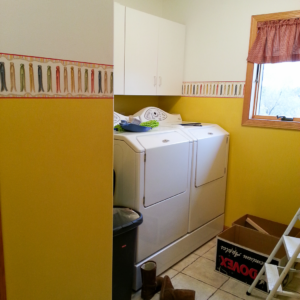
Laundry room before


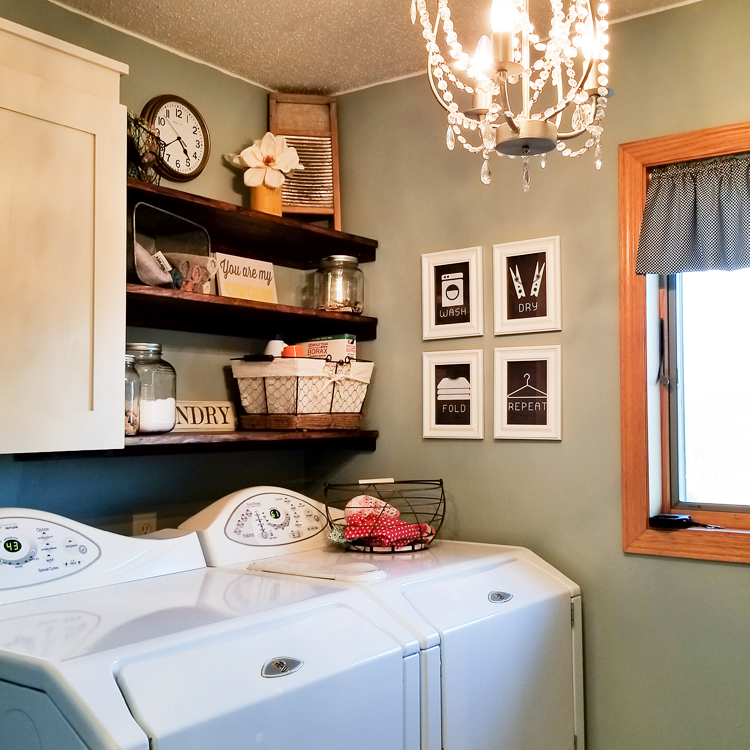
Laundry room after – how amazing is that chandelier? Doing laundry in style!
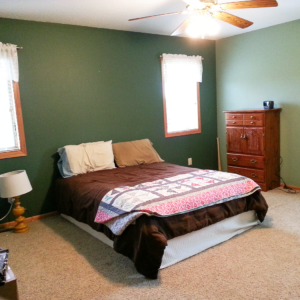
MASTER BEDROOM


Master bedroom before


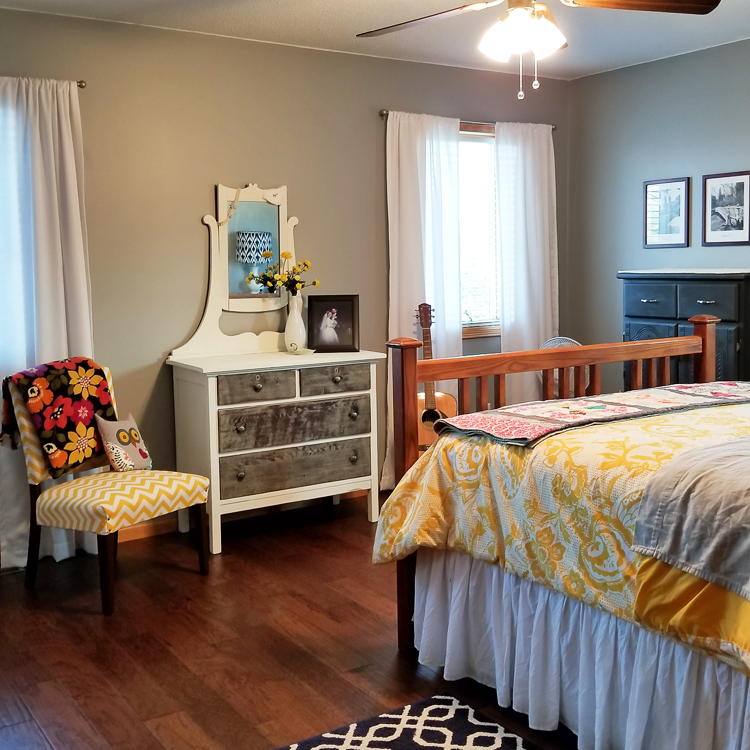
Master bedroom after – so cheery and bright!

LOWER LEVEL GUEST ROOM


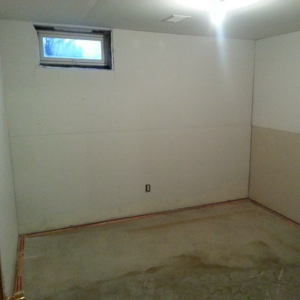
Guest room before – just a plain old storage room!


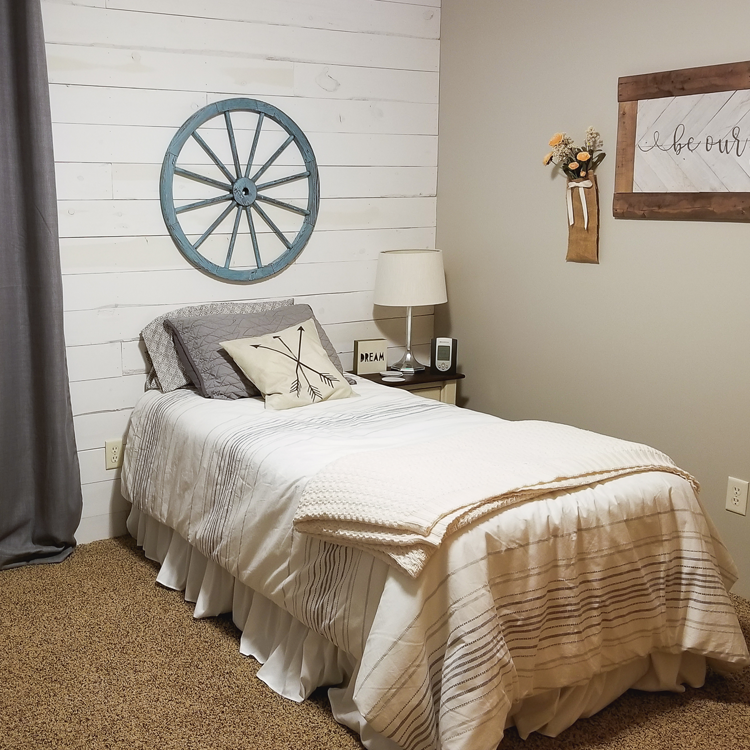
Guest room after – I think anyone could be comfortable here in this space!

GREAT ROOM

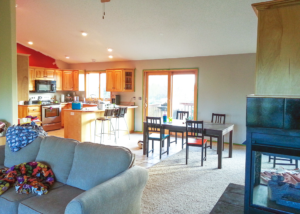
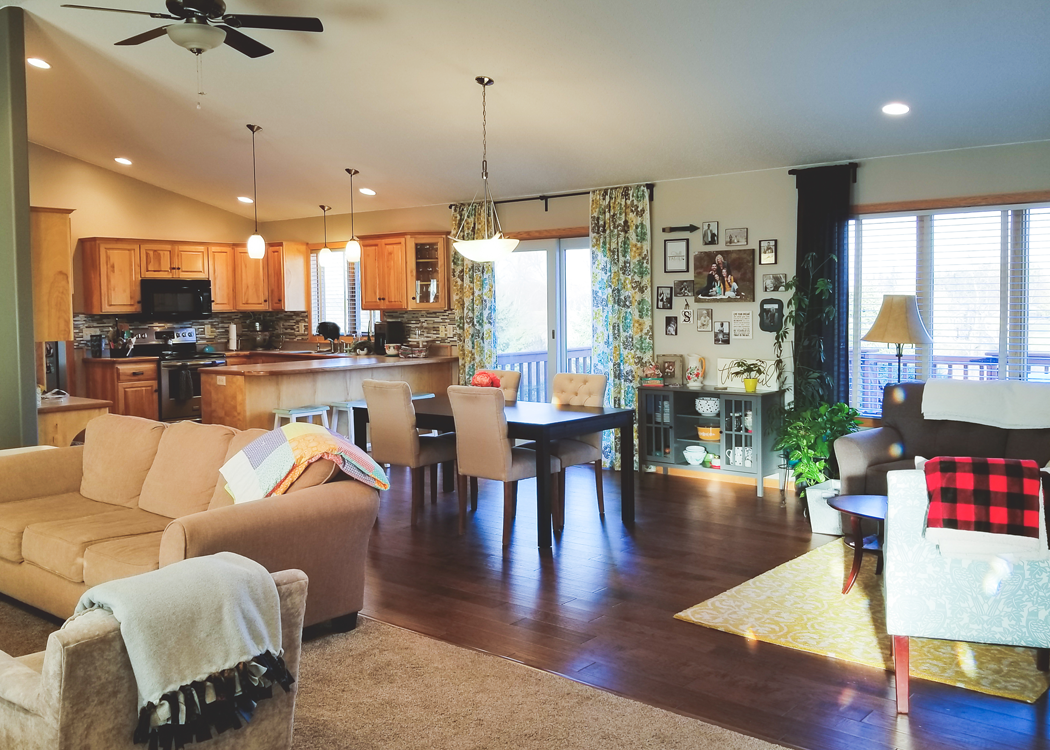
The house also has an open great room space, which is probably the largest project we have tackled. The entire space was remodeled (except for the kitchen cabinets and counter tops, which will happen sometime in the future.) Changes include all new flooring, walls painted a more neutral color, and updated lighting throughout.


living space before

View of the living space after. I love all of the different textures and colors they used! Doesn’t it look cheerful?

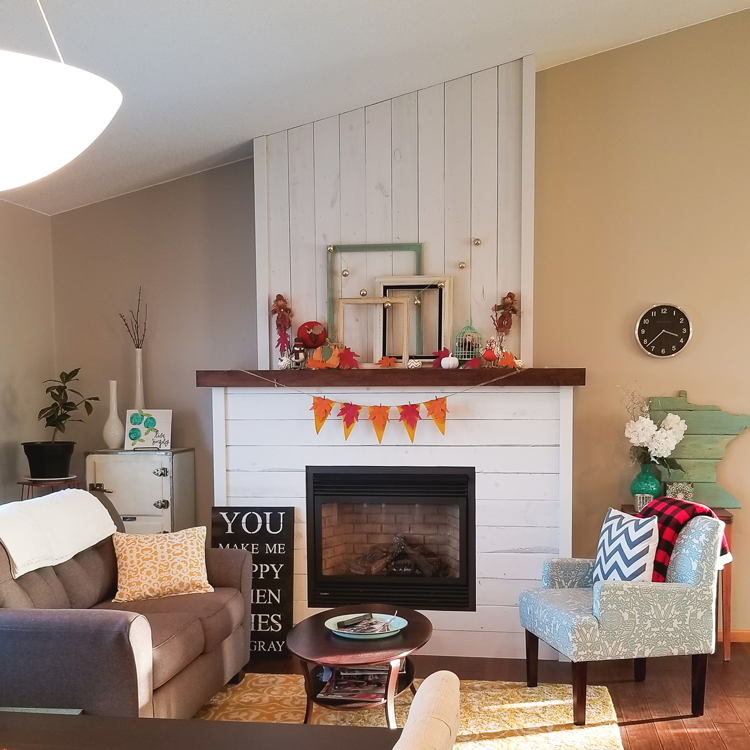
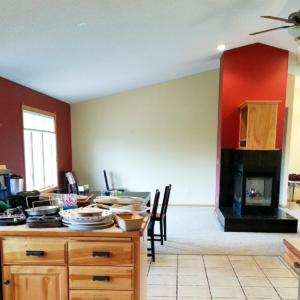
The fireplace was one of the biggest changes in the space. The previous fireplace was large, three sided, and was awkwardly placed in the center of the room. Removing it really opened up the space – as you can see in the pictures.

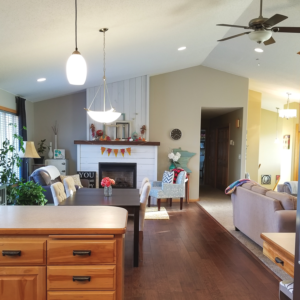
We decided that we still wanted to have a fireplace, and carved out a nook at the end of our long dining room where we built a new fireplace. It has been an amazing feature in our home and is where we read and relax.

The decision on how to finish the fireplace took over a year to decide! At first we were set on putting rock on the outside, but I never really loved any that I saw. As time went on I realized that I actually liked the wood that we had up there, but it just needed to be lighter. Ultimately, we used a fake ship lap finish, created with very cheap wood boards that were white washed. We think it finishes the space perfectly!


Fireplace before – three sided and awkwardly positioned


Fireplace after – centered on an adorable reading nook


Close up of the fireplace and reading nook. Isn’t that refrigerator box ‘cabinet’ everything?! And… I happen to know that she reupholstered that chair on her own!


What would you like readers to know about designing and styling a home? Do you have any tips to share?

I am not a professional by any means; But after remodeling and decorating three homes, I do have some thoughts:

#1. ALWAYS remember that paint is an easy fix. Walls, floors, cupboards, and furniture are all only a paint brush away from getting a completely new feel.

She’s right! Just look at the difference that painting the walls made in the lower level bathroom of their house!

#2. Don’t be afraid to try something new. Most of what we have learned has come from trial and error.

#3. Patience!! This plays a huge role in a remodel of any kind. Whether it be with your husband, wife, children, contractors, or even yourself. Try and breathe. Trust me, you need to remember this tip!

#4. Put up the pictures. So often I hear people say that they wish that they could put pictures on the wall in a nice way. The fact is that they can! There are so many different outlets to find ideas on a wall layout. Just go to Pinterest or Google to learn how to arrange pictures on a wall. No matter how you do it, just give it a try. Family pictures add such an important personal dimension to a home!

#5. My last piece of advice is to enjoy the process. If you need to take a step back every once in awhile, do it. Each space needs its own time and generally we can’t do it all at once. Find a house you love and make a dream about all the things you want to do to make it home – then just pick one thing at a time and go for it!

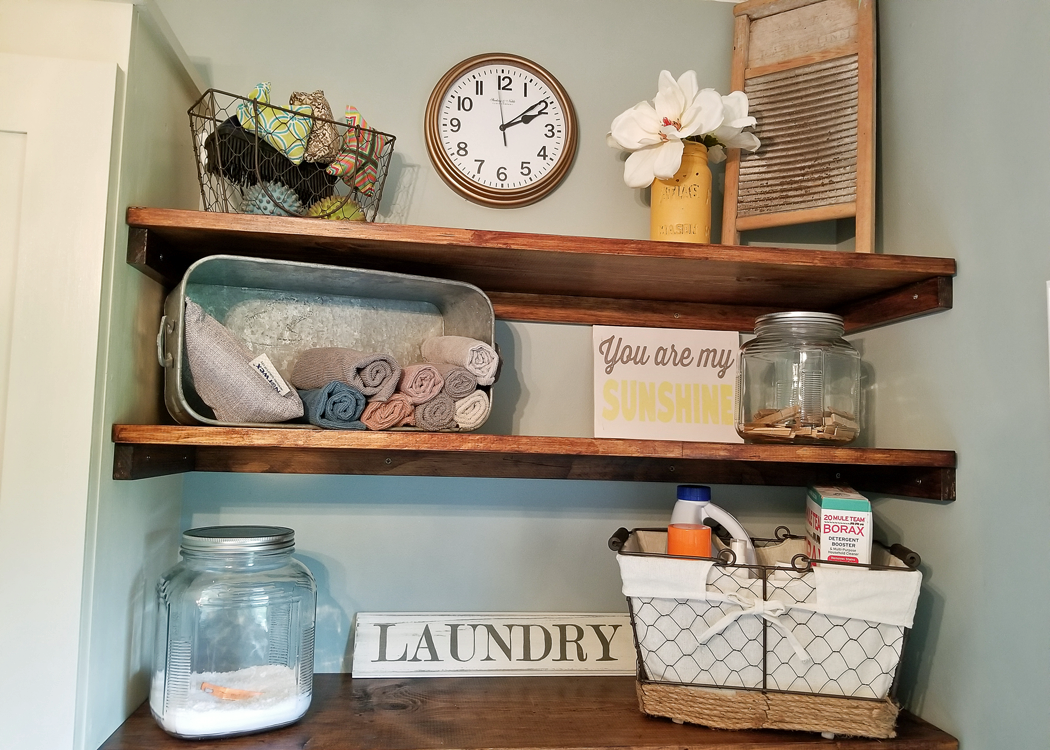
A cute display in the laundry room. I love how she mixed in vintage finds!

Do you have any remodeling / decorating plans for the future? 

 We still have projects and I think we always will. I love to dream of ways to make our home feel more like “us.”  Some of the projects that I hope happen sooner than later include:

  • The addition of a three season porch to the upper level connected to our dining room. We entertain a lot, and I have already envisioned the parties, laughing, and conversations happening in that space!
  • New paint for our kitchen cabinets, to brighten them up and help update them a bit. We also would like to install new counter tops, probably in marble or granite.
  • New flooring for the entire basement, and an update to the basement bathroom.

Thank you so much Cilicia and Justin for sharing your wonderful home with all of us!

Now it’s your turn! Have you been putting your personal touches on your home? Maybe the entire house isn’t finished, but you are particularly proud of one room – I would love to see, and share with my readers!

If you are a blog subscriber, you are eligible! Simply email photos and a brief description to angela@arrowhillcottage.com for your chance to be featured!

SATURDAY SKETCHBOOK: THE GREAT PORCH DEBATE

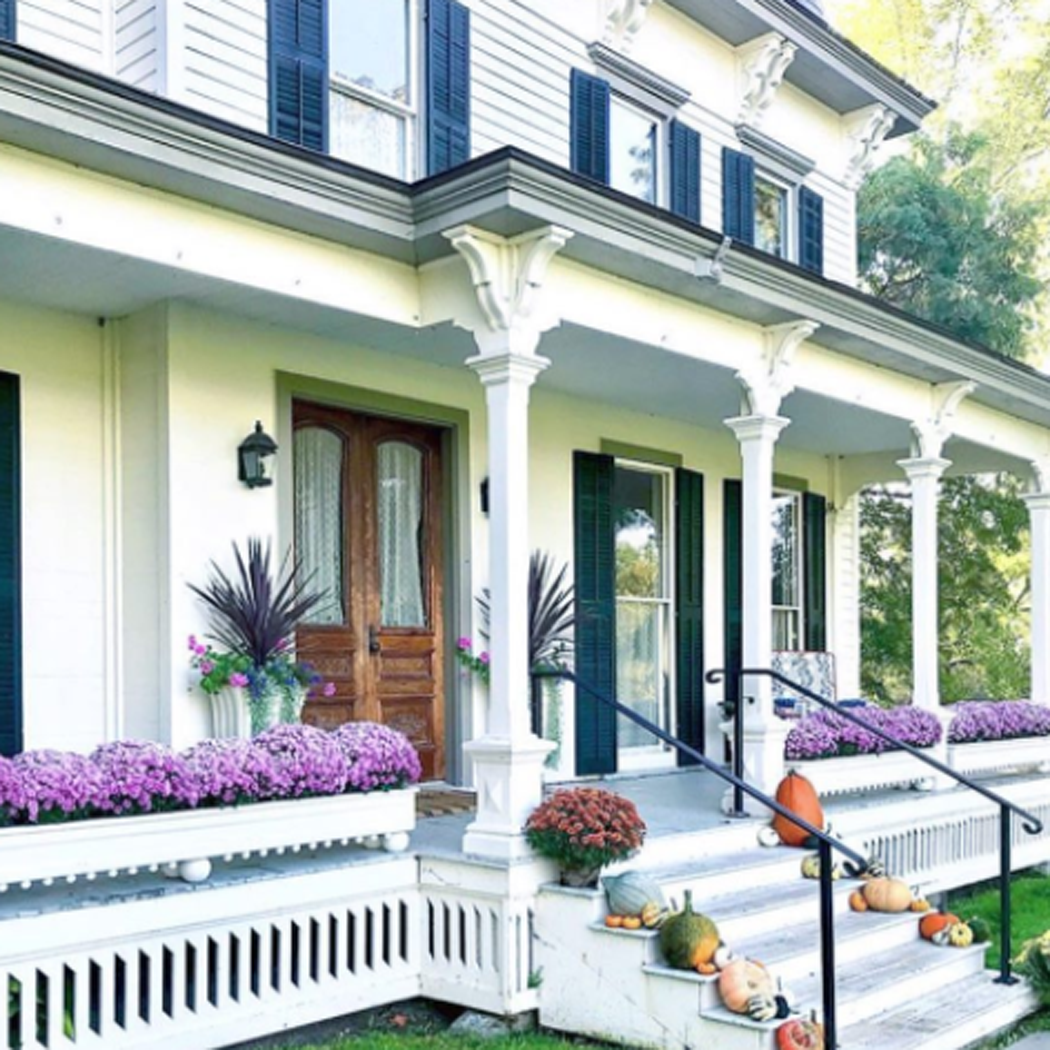
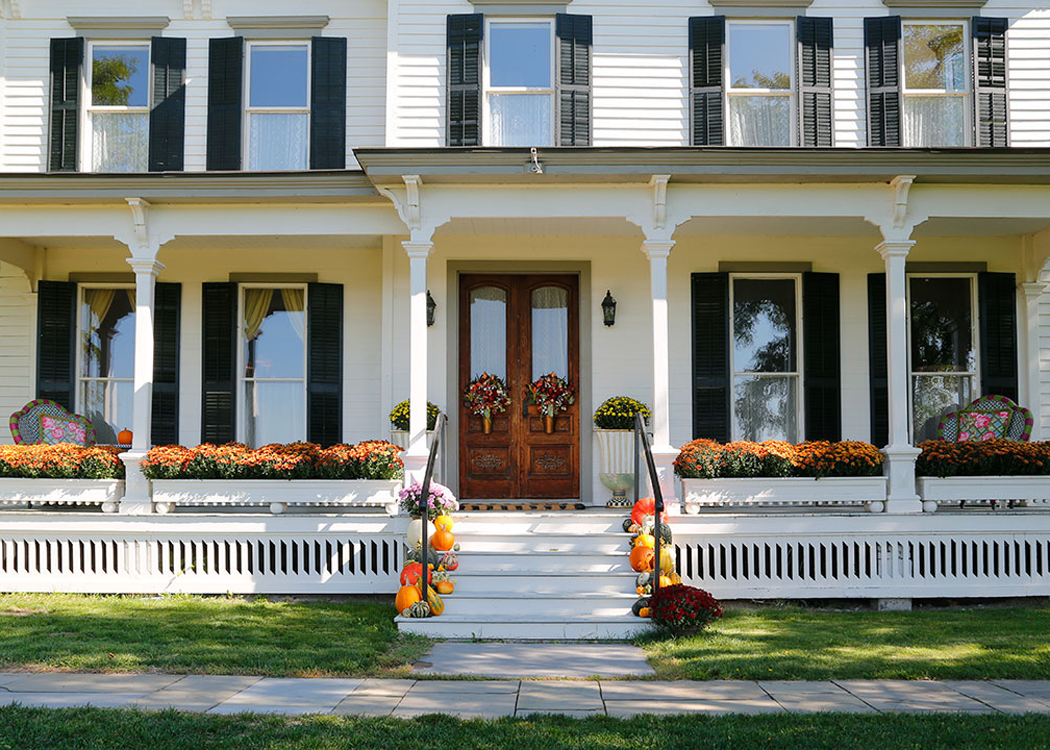
In the last Saturday Sketchbook post, I discussed the three outdoor spaces I have been working on for the cottage. I casually mentioned that the front porch may or may not have railings. Then someone on Instagram posted this picture, and it sent my mind spinning.

image source

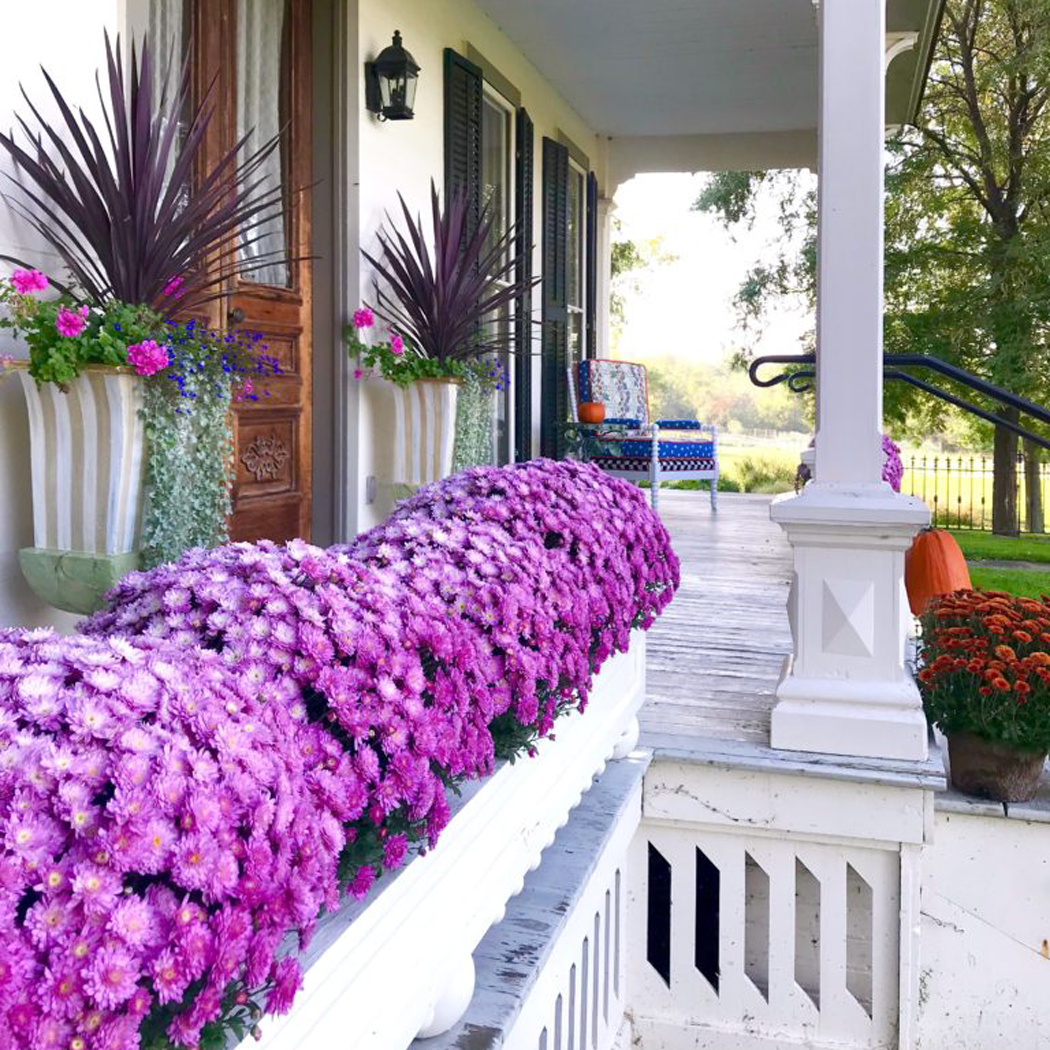
Do you see what I see? Isn’t this porch just gorgeous? I had never considered using planters as a buffer between porch and ground before I saw this image; But as soon as I saw it the wheels in my head started turning. Here’s a close up of the planter boxes.

The sea of color slays me.


I tracked down a photo of this same porch, updated with different flowers in the planters. It’s a simple change that has a big impact. As someone who loves to rearrange furniture, the thought of updating the look of the exterior without lifting a hammer is really piquing my interest. Additionally, I am almost certain our cottage exterior will be all white, and a pop of color provided by flowers could really help add some visual interest.

Excitedly, I sent these pictures to Craig and asked him what he thought. I was pretty sure his reaction would be the same as mine – pure love. Imagine my shock when he texted back three simple words. Not a fan.

Gulp! Did he just really say that?! How could it be!

The conversation continued later that night when he got home from work. I used all sorts of logic to try to persuade him to come to ‘my side’ of the equation. “See how the grass can be planted right up to the porch rail? no need for expensive landscaping!” “Wouldn’t it be nice to just keep potted plants alive and not have to worry so much about weeds?” “You can change it for the seasons – bright flowers in summer, potted spruce in winter!” “The lower planters won’t block the view out of the windows!”

Not budging.

Though he couldn’t give me a firm reason WHY he didn’t like the look, he did say that it just seems to him that a porch needs railings. (*technically.. this is the architect in me speaking…per code, we won’t be required to add a railing to our front porch because it will only be about 14 inches off of ground level)


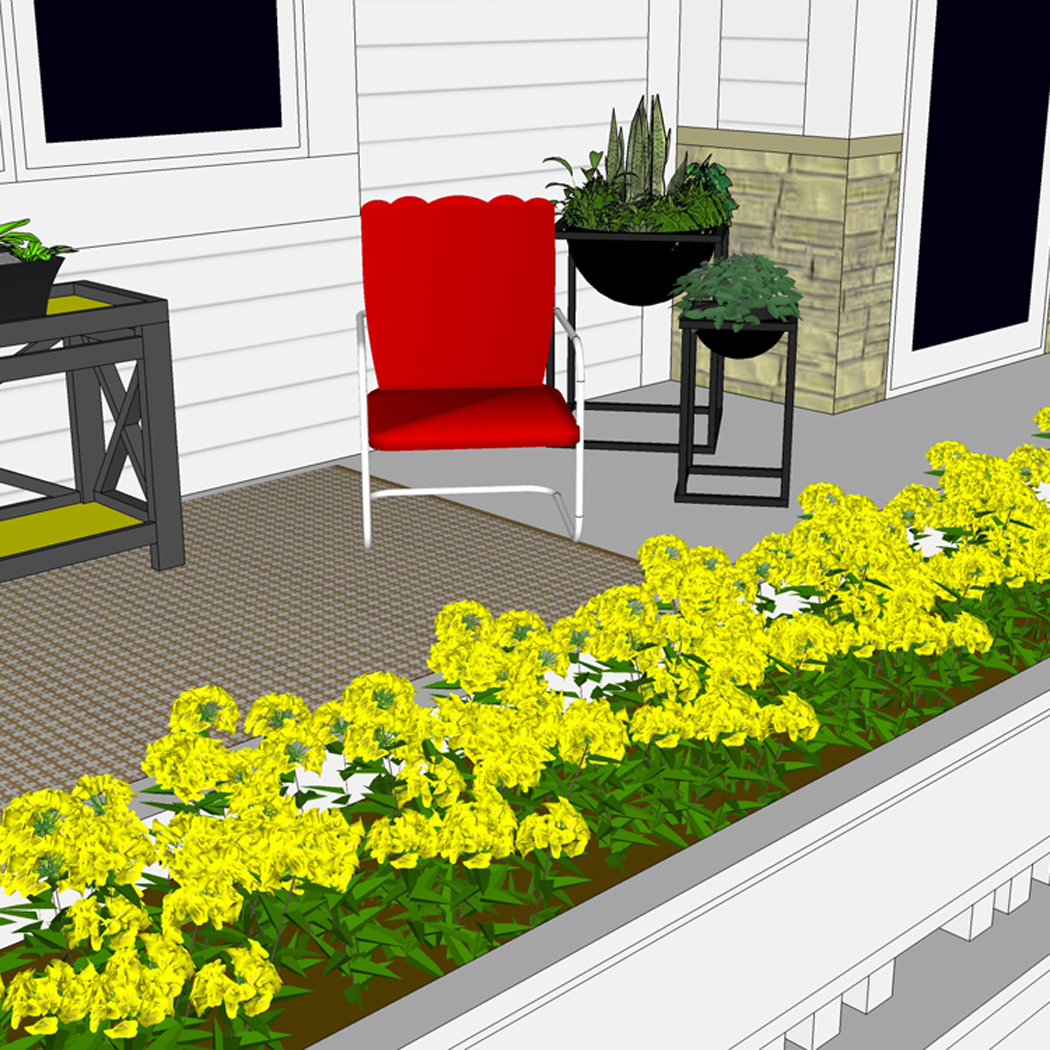
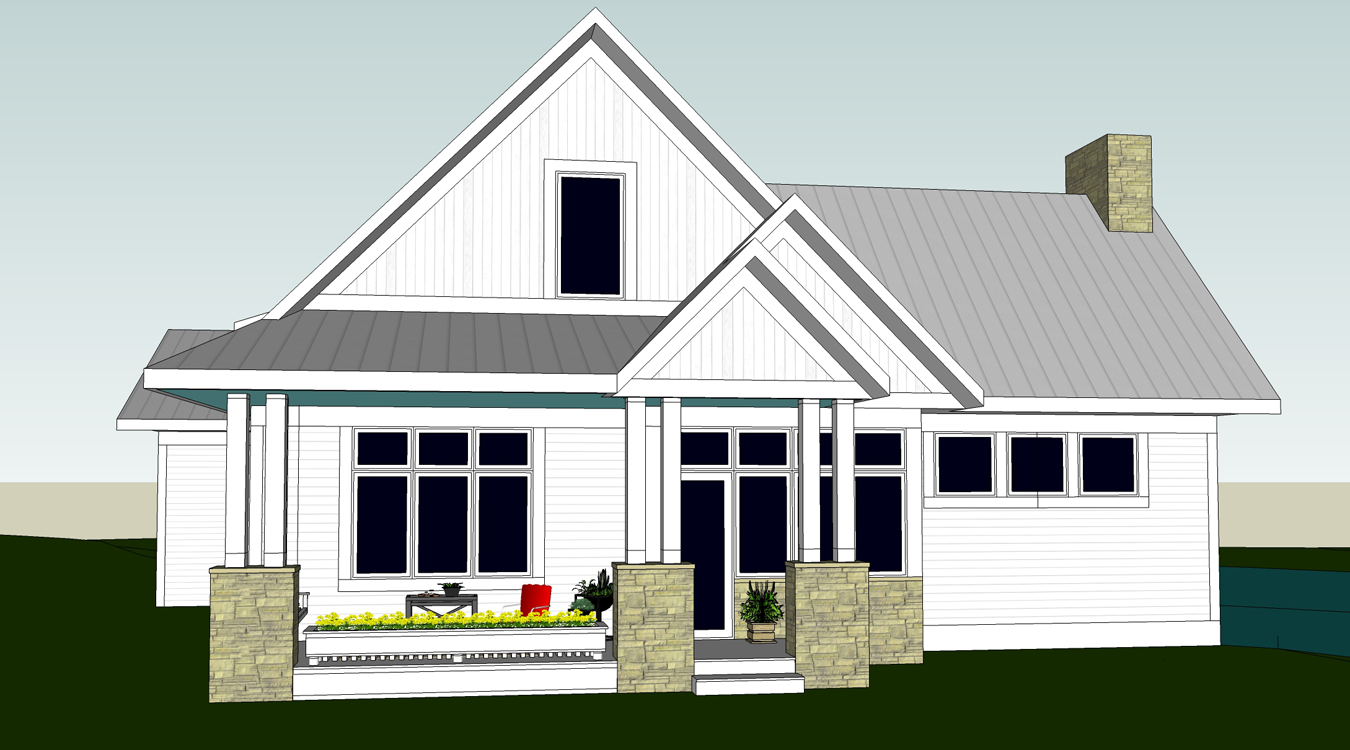
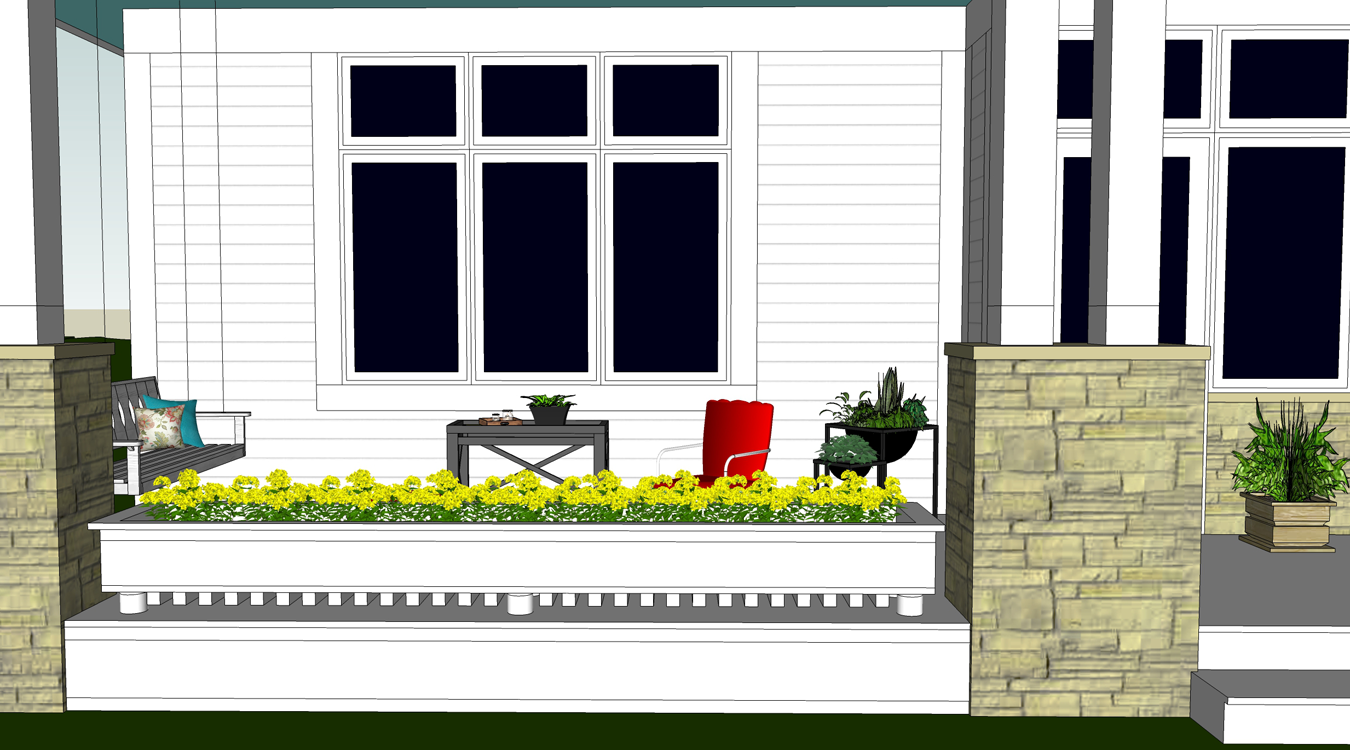
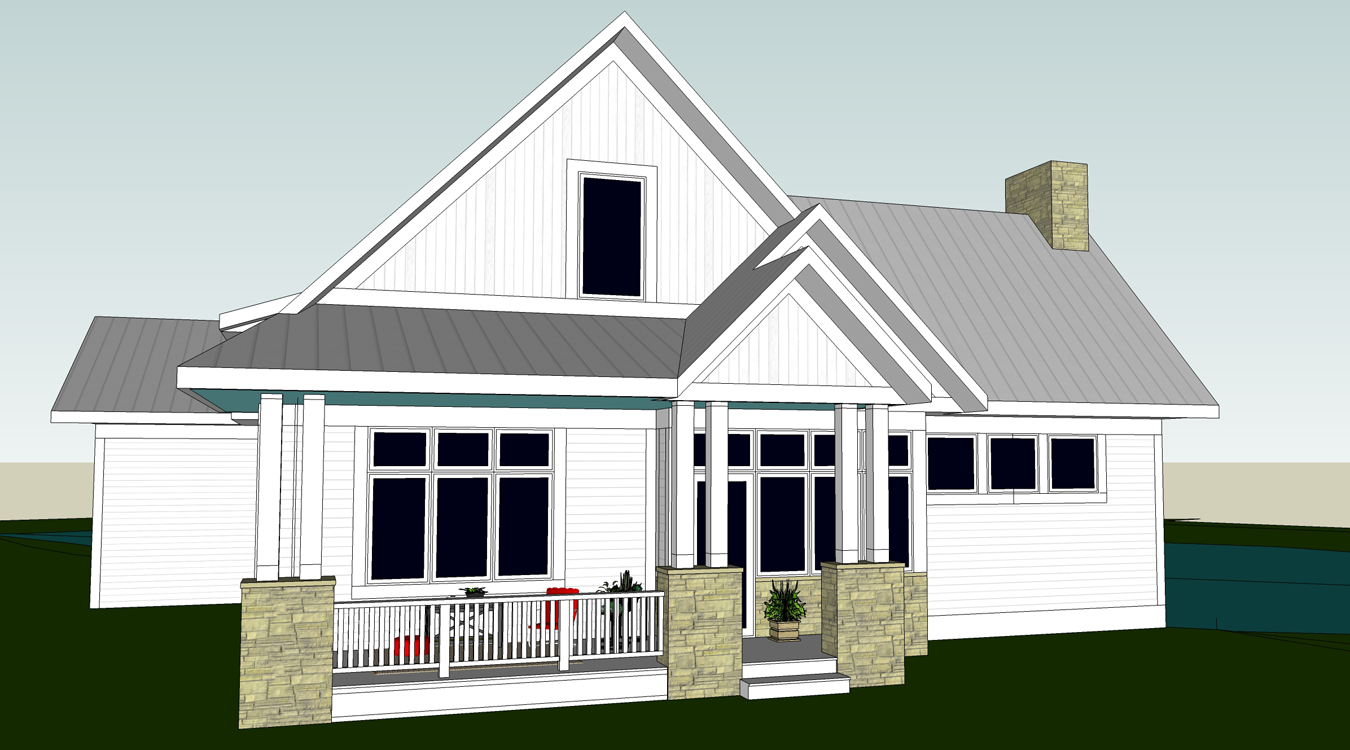
SO… I set to work on my 3d modeling program, to get a better idea of what a planter box buffer could look like at the cottage.

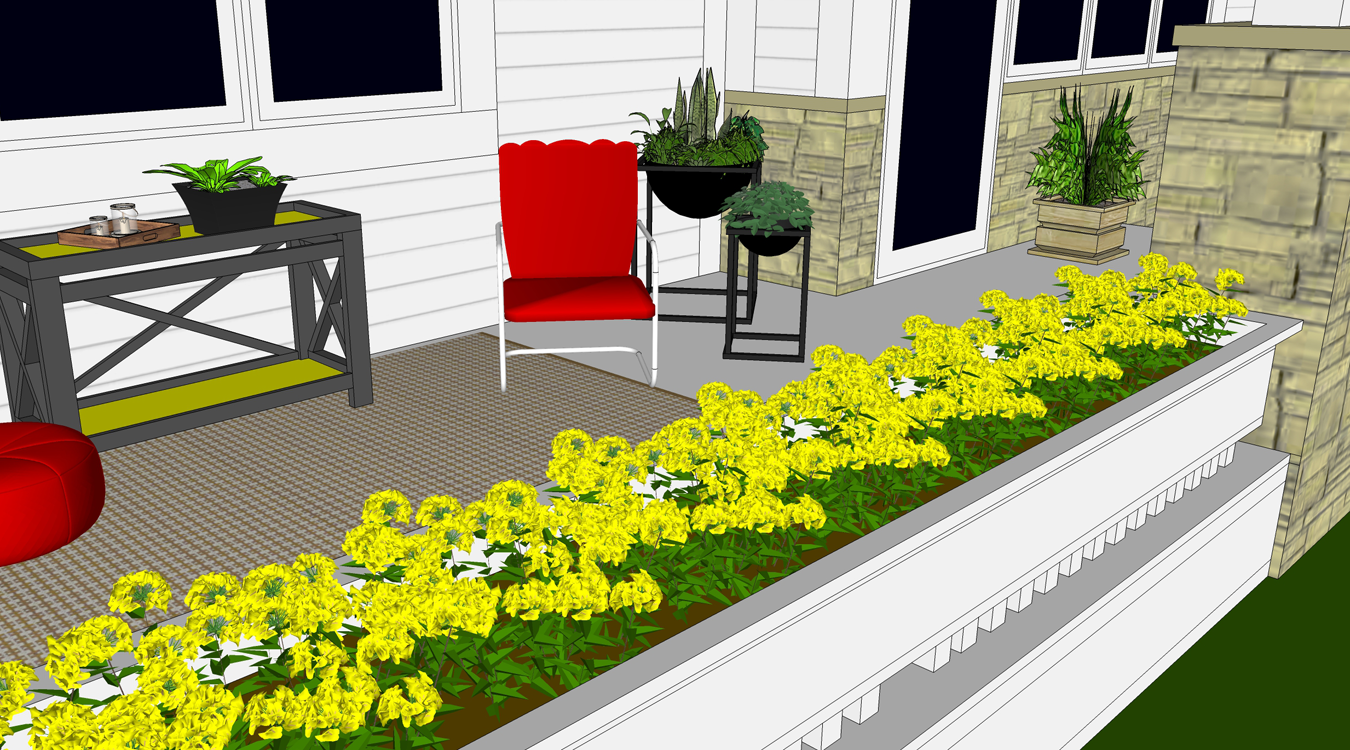
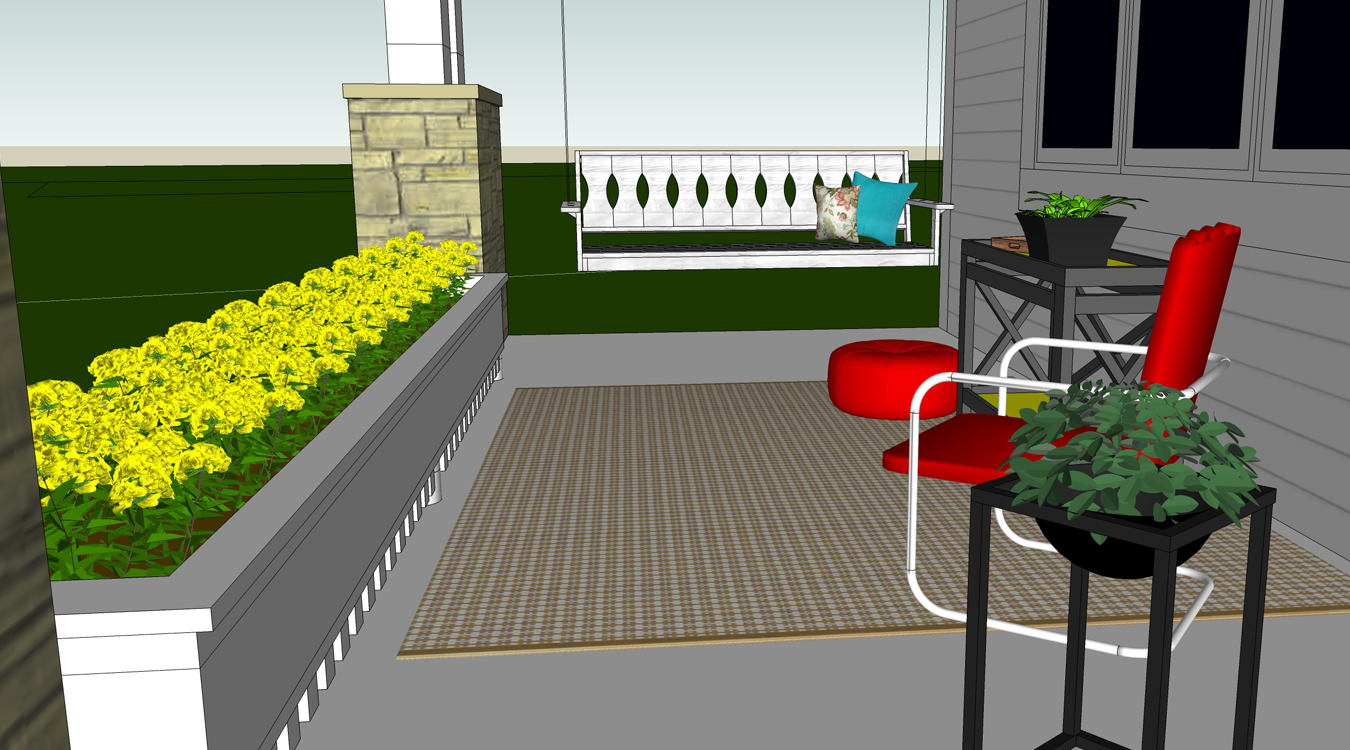
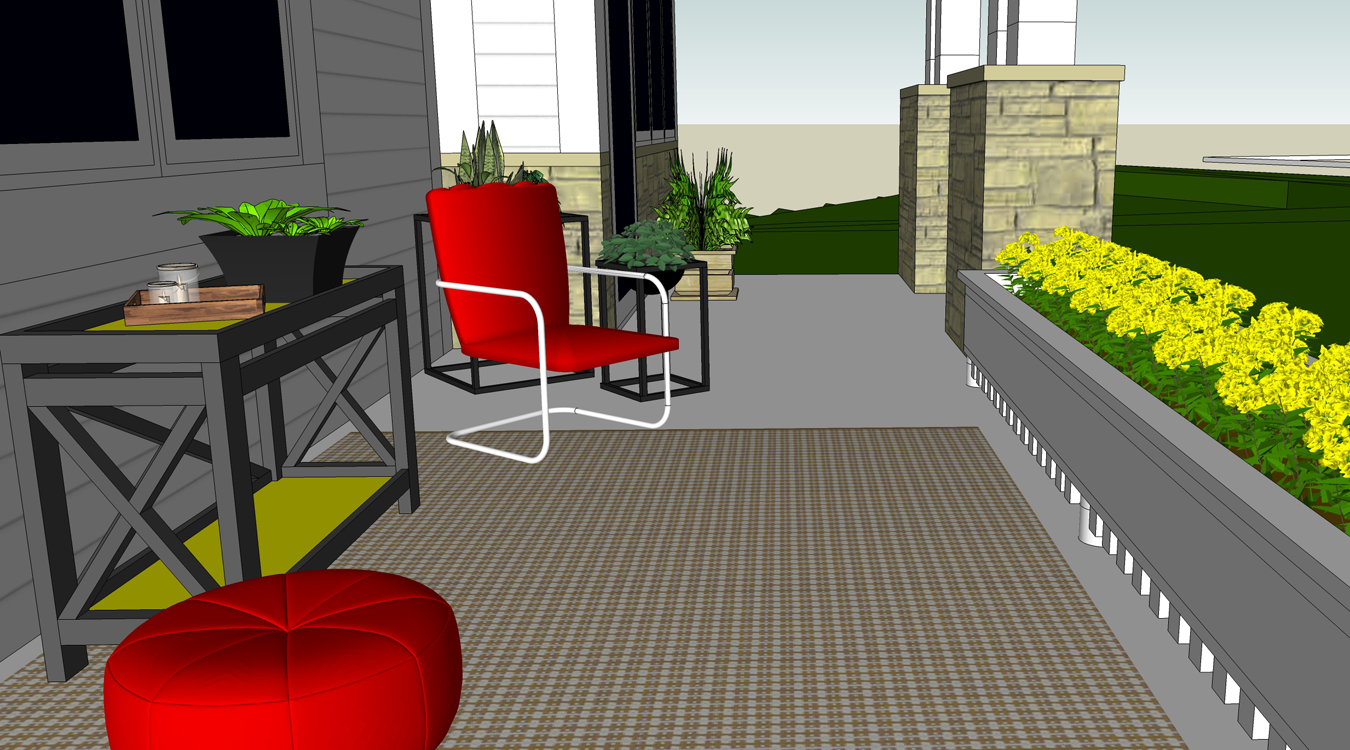
See how cute? I went ahead and added a few more porch details – to further the vision I laid out in this post – I even added a blue bead board ceiling, which I think would be lovely.

Pretend that you are sitting on the porch.

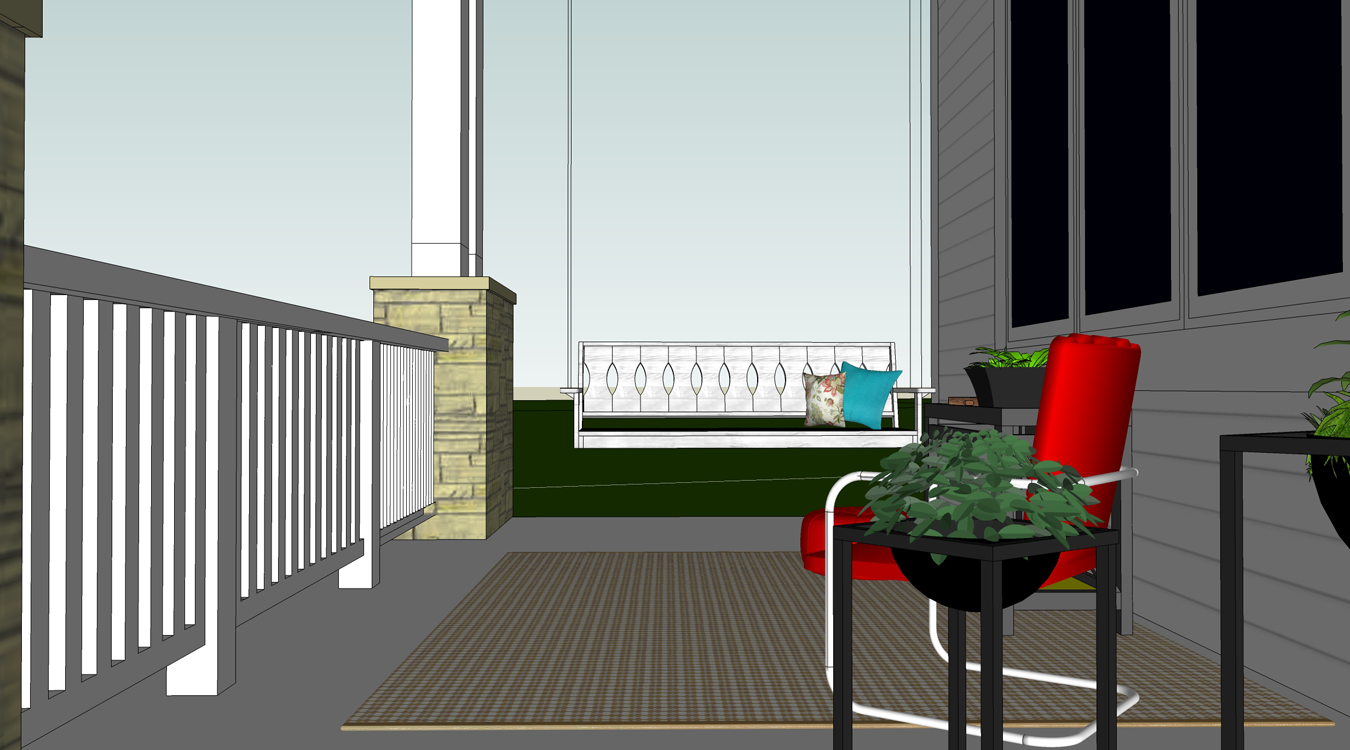
The view from the porch swing is my favorite.

I could probably spend all day right here. Truly.


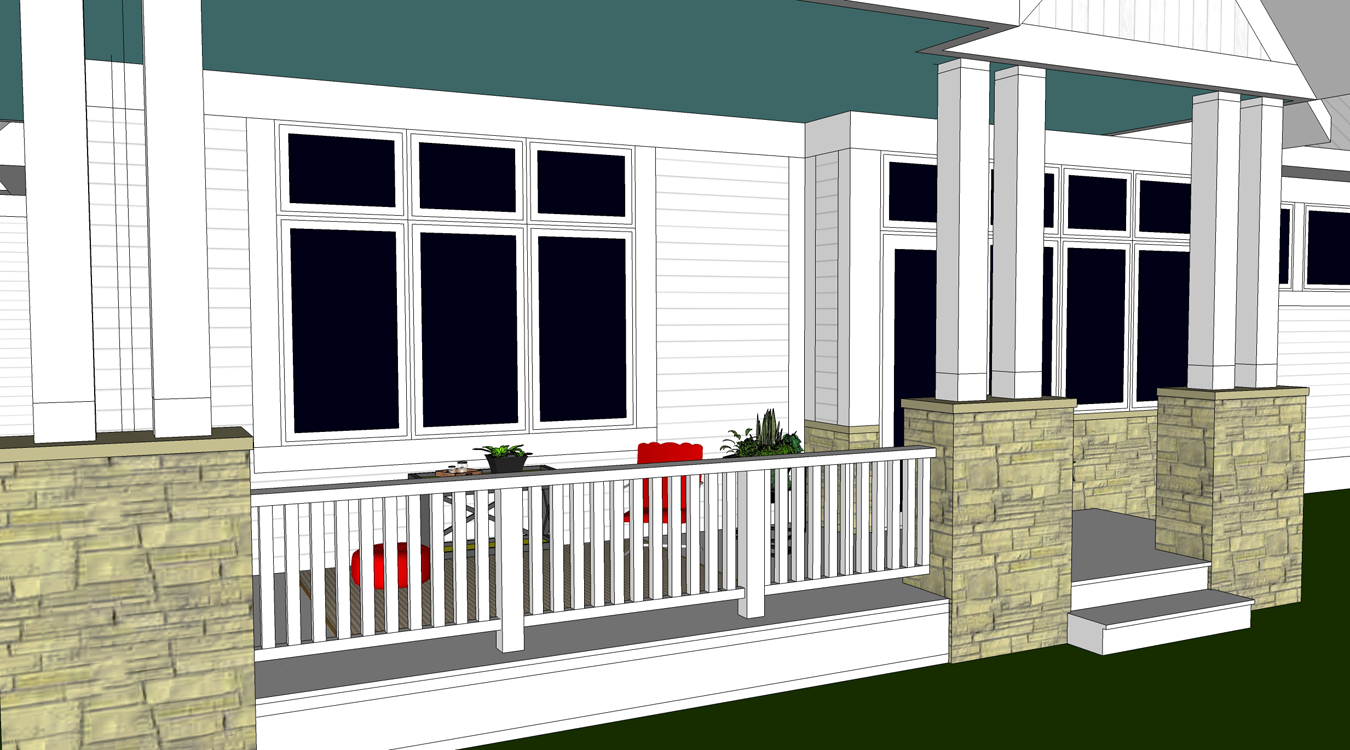
Of course, I want to make sure and play fair – so here are a few views of the porch shown with a standard railing.

Now it’s your turn to weigh in. Help us solve this debate by telling us which you prefer – railings or planters. Please comment below!

Read more about our home design progress here.

HOW TO DECIDE WHAT SIZE HOUSE YOU SHOULD BUILD OR BUY

It’s no secret that houses come in all shapes and sizes. From mansions to tiny houses, and everything in between – there is a house that’s perfect for everyone. You may be wondering WHY there is such a discrepancy in size. Are all rooms in a mansion even used? How can people who live in tiny houses manage with such little square footage?

Generally speaking, the answer boils down to what the owners of each home feel they need + want in their property. Whereas the owners of the mansion may feel justified to include a large home gym, 15 bedrooms, and an Olympic style swimming pool in their floor plan, the tiny house owners may decide that they prefer to live with only the basics to be comfortable. The size of your home is truly a matter of preference.

Whether building a new home or buying, it is important to decide early on in the process what your needs + wants are in a home. And those decisions are made by conducting a home needs analysis. In this article I will explain how to conduct this analysis, which will help you determine not only what size of home you should buy or build, but also the quality and function you wish your home to provide.


Before we get started on the steps, a couple of notes:

Keep in mind that you are creating a ‘best case scenario’ list. It should be compiled without too much thought about the costs involved, at least for now. Use common sense though, this isn’t a fairy tale! You should also be thoughtful about knowing what is a true need, and which items are wants. This list will be a guide for you when house hunting or drawing up the plans for your new home, and you need to be willing to let go of some of the ‘wants’ should money or selection of suitable properties become an issue. It is very possible that you may not even be able to get everything in the ‘need’ category.
The goal here is to be mindful of how your family functions and translating that information into spatial needs.


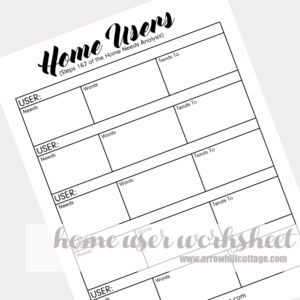
STEP 1: WRITE A LIST OF THE PEOPLE WHO WILL BE USING THE HOME

Using the template provided below, make a list of each person or group of people who will be using the home. Think primarily about those family members who live in the house full time. Also consider family members who are part time residents, whether that is half of the year or for a week or two at a time.

In addition to family members, also include extended family that visits for holidays, frequent guests, co-workers (if you have a home business), and even friends if you do a fair bit of entertaining. It’s okay if you group the larger categories of people, such as friends, instead of listing them individually.

STEP 2: FILL THE PAGES WITH NEEDS + WANTS OF EACH PERSON/GROUP

Go through the list one by one. Under each ‘user’ title, you will see three categories: Needs, Wants, and Tends To.  Fill in these sections with information about each user, and be sure to add at least a couple of items in each column. Think thoughtfully and thoroughly. Ask each person that will be living in the home full time to provide input.

For example:

CHILD #1 (NAME)

NEEDS: quiet place to sleep, bathtub in the bathroom.

WANTS: separate playroom, own bedroom, close proximity to mom & dad’s bedroom.

TENDS TO: wake up early, play loudly, get messy, love the outdoors.

For people/ groups who are in the home only part time, some of the wants may be dictated by the homeowners preferences.

GRANDPA & GRANDMA

NEEDS: place to sleep when they visit that is not accessed by stairs, clearance for wheelchair movement.

WANTS: private guest bedroom with attached bathroom for easy access.

TENDS TO: have a hard time hearing, be cold, sleep in late, use the bathroom frequently.


STEP 3: MAKE A LIST OF ROOMS

Time to do some brainstorming. List all of the typical rooms and spaces you can imagine that at least ONE of the previously listed people/groups would use.

To help you complete this step, I have compiled a chart of the most common rooms in the American home and the average size/ square footage of each. This chart is available for free in the resource library.

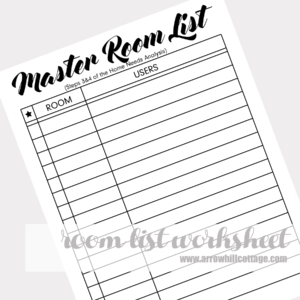
Next to each room name, write down which people/group of people from the list of home users would utilize each space. Once you have completed this exercise, read back through the list and place a star next to those who would use the room on a DAILY basis, as shown below.

HOME OFFICE: Bob*, Nancy, Joshua* (co-worker)

STEP 4: DETERMINE THE MOST IMPORTANT ROOMS IN THE HOUSE

Read through the room name list one more time and count the number of stars attributed to each space. Write that number in the left margin next to the room name. The rooms with the most stars are going to be the most important MUST HAVE rooms in your home. I’m willing to guess that at least one of those with the most stars will be the kitchen. The rooms with the fewest stars are much less important. Perhaps two or three of these lesser important rooms/spaces could be combined into a multi-purpose room. (ex: a play room + family room combo)


STEP 5: THINK AGAIN ABOUT THE QUALITIES OF SPACE

To keep things organized, we are going to list these rooms once more – in chronological order. Use the ‘qualities of space’ worksheet linked below. Rooms with the most stars (as determined by the previous step) should be on the top of the list and rooms with the least on the bottom.

Begin thinking about comforts of the spaces themselves. On the line next to each room/space, write any important characteristics you imagine it should posses. You may find it helpful to reference the information gathered in Step 2.

Be thinking about light levels, proximity to other rooms, the noisiness or quietness of the space, and potential connection to the outdoors. Question whether the room should have designated storage, if views from the room are important, if it should be open or cozy, have a high or low ceiling.

You can be as detailed or general in this step as you would like. Remember that although we are not designing a floor plan during the home needs analysis, thinking about these qualities of space can help you determine the amount of emphasis that each room should have, and will serve as a guide when you eventually do begin the planning process or start your home search.

STEP 6: CONVERT ROOMS/SPACES TO SQUARE FOOTAGE NUMBERS

Now it is time to get out the calculator and determine the amount of square footage that should be allocated to each room.  It is important to note that the star count from the previous step will not necessarily dictate room size. Square footage is determined by multiplying the room’s width by it’s length. (ex: 10′-0″ long x 5′-0″ wide = 50 square feet).

Reference the chart from the resource library for average room sizes. Then get out a tape measure and think about these averages. Do they seem too large to you? Too small? If you currently live in a home or apartment, measure your existing rooms and jot down their sizes. Make note if those rooms feel comfortable to be in, cramped, or too expansive.

Once you have determined a room size that seems right for the way you live, write it on the worksheet in the box labeled SF (square footage).

STEP 7: COMBINE FOR THE FINAL NUMBER

This step will give you a basic idea of how large of a home you are looking to build or purchase. Simply add up all of the room square footage numbers that you calculated in step 6. Then add 10% for circulation (stairs, hallways, etc). The circulation square footage may be less or quite a bit more in the actual built house, but 10% is a good rule of thumb average to use when planning.

Example: For a cumulative 1,200 square feet (once the spaces are added) : Multiply 1,200 x .10 = 120.  Add 120 sf to 1,200 sf, for a final TOTAL of 1,320sf.

This final number will give you a general idea to the size that your family would feel comfortable living in. It is not a perfect science – the home you find or design may end up being slightly larger or smaller – but this square footage number gives you a great starting point.

I hope that with this information you will have a better idea of what size house you should build or buy. In future posts we will discuss how these spaces can connect in a thoughtful way, so be sure to keep your completed worksheets for reference!

BUFFALO CHECK HOME DECOR

This bold yet simple pattern is making a major comeback. Buffalo check home decor items can be found in abundance. Read on to learn what makes this pattern special, and why you may want to incorporate it as an accent in your home.


You may have noticed a bold check pattern showing up more and more. It has been featured on social media, as well as on popular TV shows. From upholstered pieces to tile work, it seems like this pattern is showcased just about everywhere! First considered a HOT design trend in mid 2016, it is still going strong a couple of years later.

This trend is Buffalo Check and, although the pattern may seem familiar, it is important to note that this isn’t your grandmas gingham or your uncle’s flannel shirt.


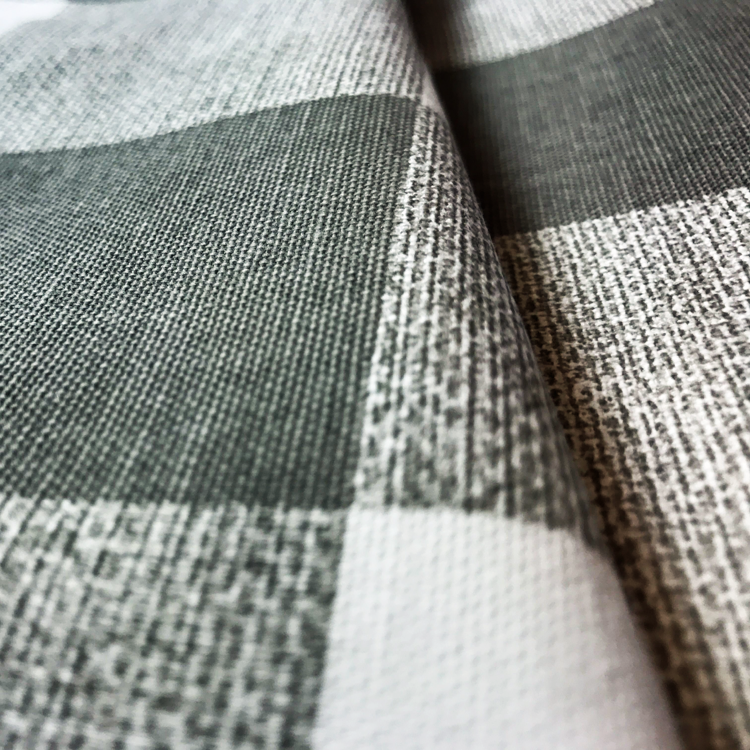
Buffalo check is created when two colors of stripe intersect, which adds a third ‘mixed’ color. The intersections create large squares of even size in all directions. Nowadays, bold + classic black and white is most popular, but Buffalo Check is available in a large variety of colors.

(image source)

If this photo appeals to you, then scroll on for more inspiration on this home design & decor trend!


WHAT IS BUFFALO CHECK

First of all, a bit of history. Or mystery. There is a fair amount of debate on where the original pattern came from. But many sources agree that it’s introduction to America came in the mid 1800’s. A designer at a Woolrich Pennsylvania wool mill, who was inspired by Scottish tartans, is said to have developed the style. He owned a herd of bison, and thought that the ruggedness of the patterned fabric matched the characteristics of the animal. It was an instant hit with workers and outdoors-men alike.


INCORPORATING BUFFALO CHECK IN YOUR HOME

Besides being a fashionable fabric choice, designers and homeowners are finding all sorts of creative applications to use this pattern in a modern way. Check out the fun ways that buffalo check home decor is being used.


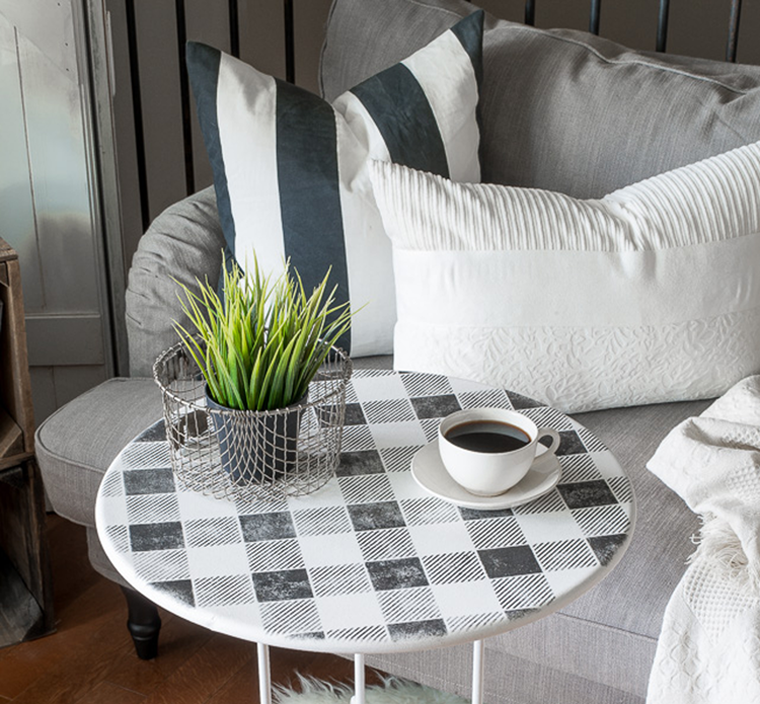
Painted Furniture (image source)


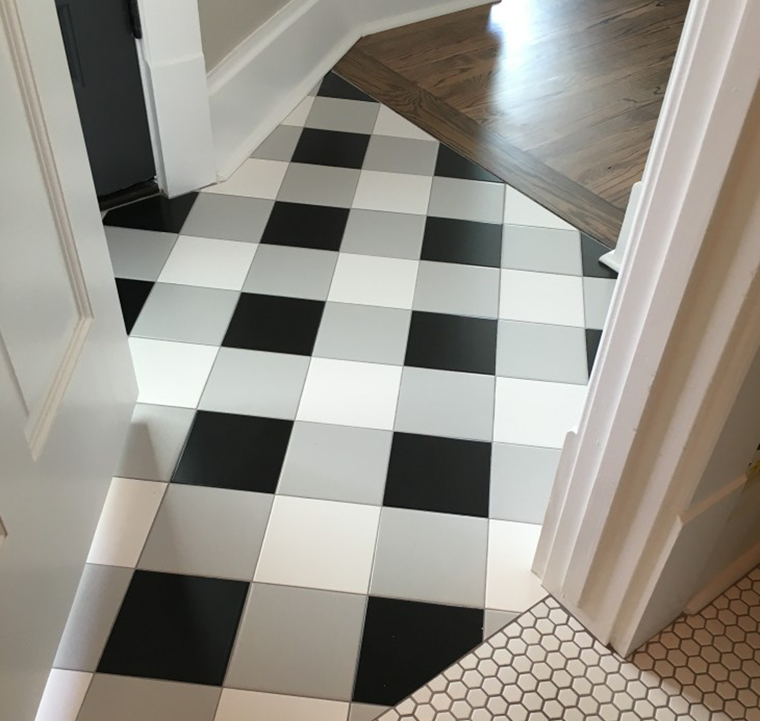
Flooring 
(image source)

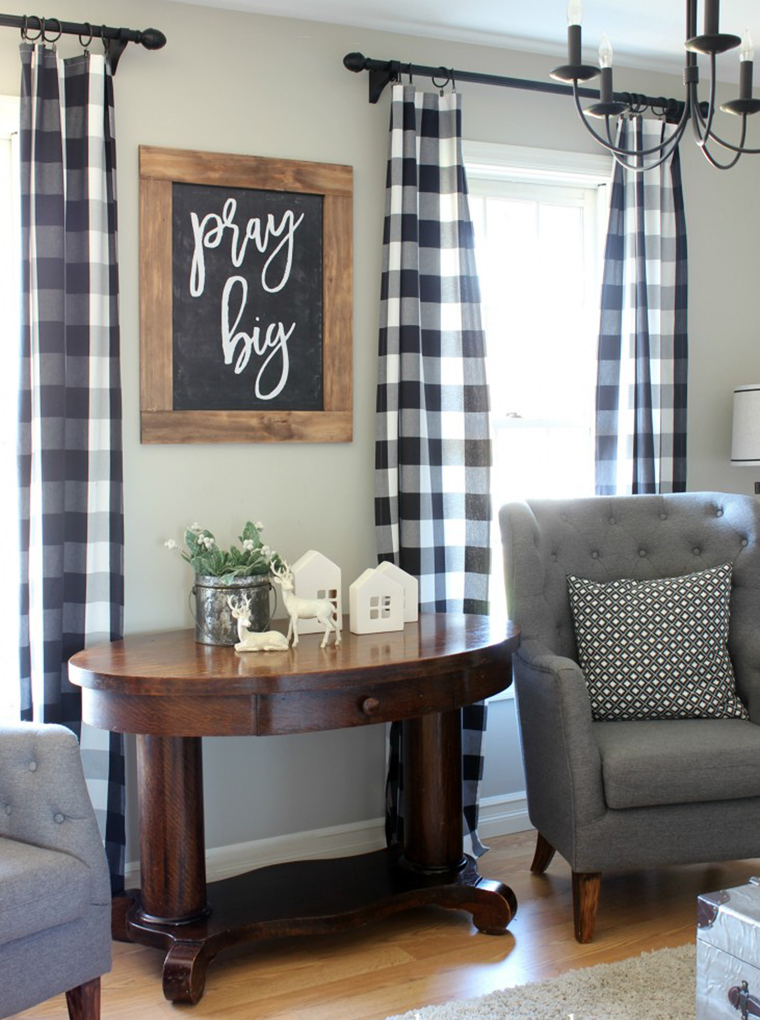
Curtains  (image source)


Throw Pillows (image source)


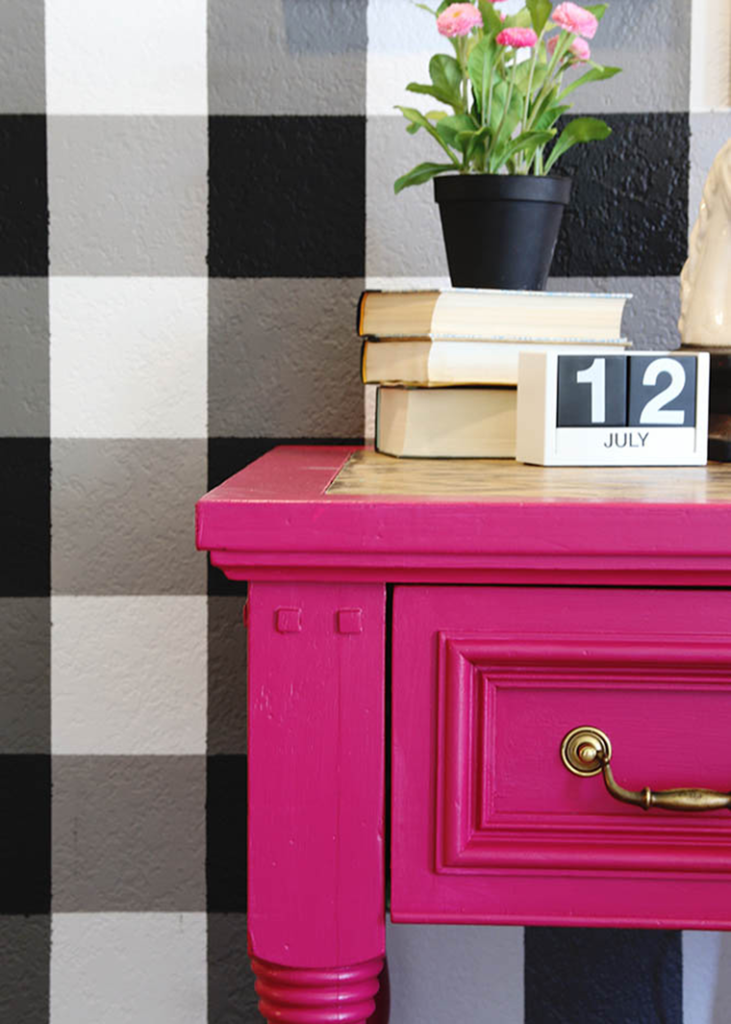
Painted Accent Wall (image source)


Tile Backsplash (image source)


And more!

Check out even more fun ways to use this versatile pattern HERE. And if you REALLY want to feel inspired, discover the Instagram hashtag #BuffaloCheckThisOut


GET THE LOOK!

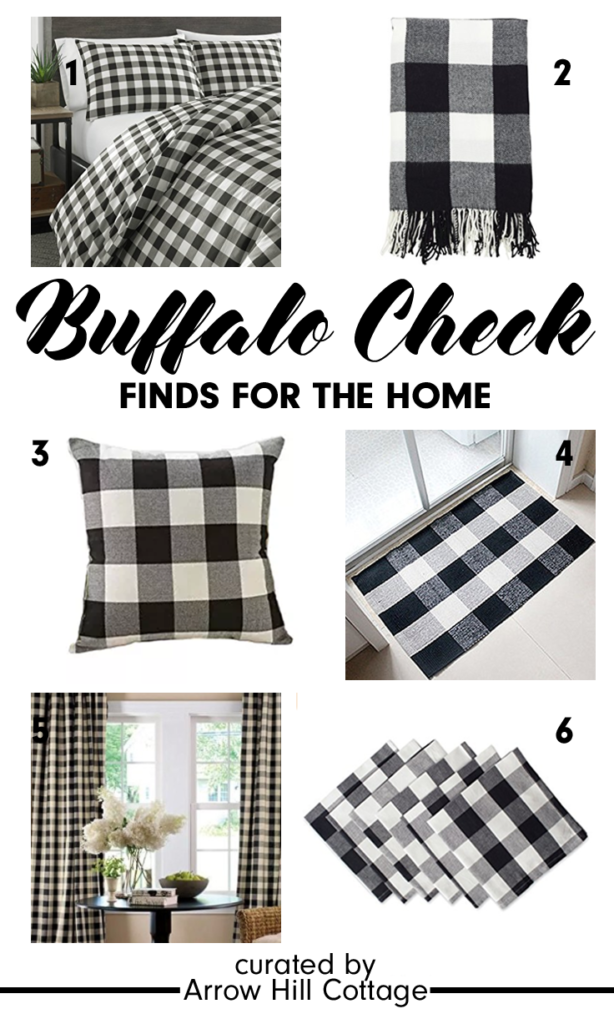
This pattern is also readily available in stores and online, for very reasonable prices! Take a look at this collection of Buffalo Check Home Decor goodies. Certainly there is a piece (or two) that would look great in your home.

1 | 2 | 3 | 4 | 5 | 6 |

MY THOUGHTS ON THIS HOME DESIGN TREND

Personally, I love the simplicity of the black and white pattern. Because of it’s classic lines, the pattern works with a variety of house styles and interior design preferences. However, I do have a word of warning. Don’t go overboard with Buffalo Check Home Decor. Too much of a good thing isn’t a good thing.

For that reason, showcasing a single item in this pattern might be the best bet, allowing it to stand out as a statement piece. For example, paint an accent wall with the pattern, instead of an entire room.

Here’s hoping this home design & decor trend stays around for a long time. With it’s lengthy history and universal love, I’m betting it will!


This post contains affiliate links.  To learn more about my website disclosures, click here.

LOVE BUFFALO CHECK HOME DECOR? PIN THIS!