SATURDAY SKETCHBOOK: KITCHEN BASIC DESIGN

I spent some time this week diving into the interior of Arrow Hill Cottage. With just over 18 months remaining before we break ground, I want to get as many details ironed out as possible. I figure that the more decisions that are made on paper, the less surprises that might arise during construction.

This may end up being the most well planned house of all time…. because this mama doesn’t like surprises! Ha!

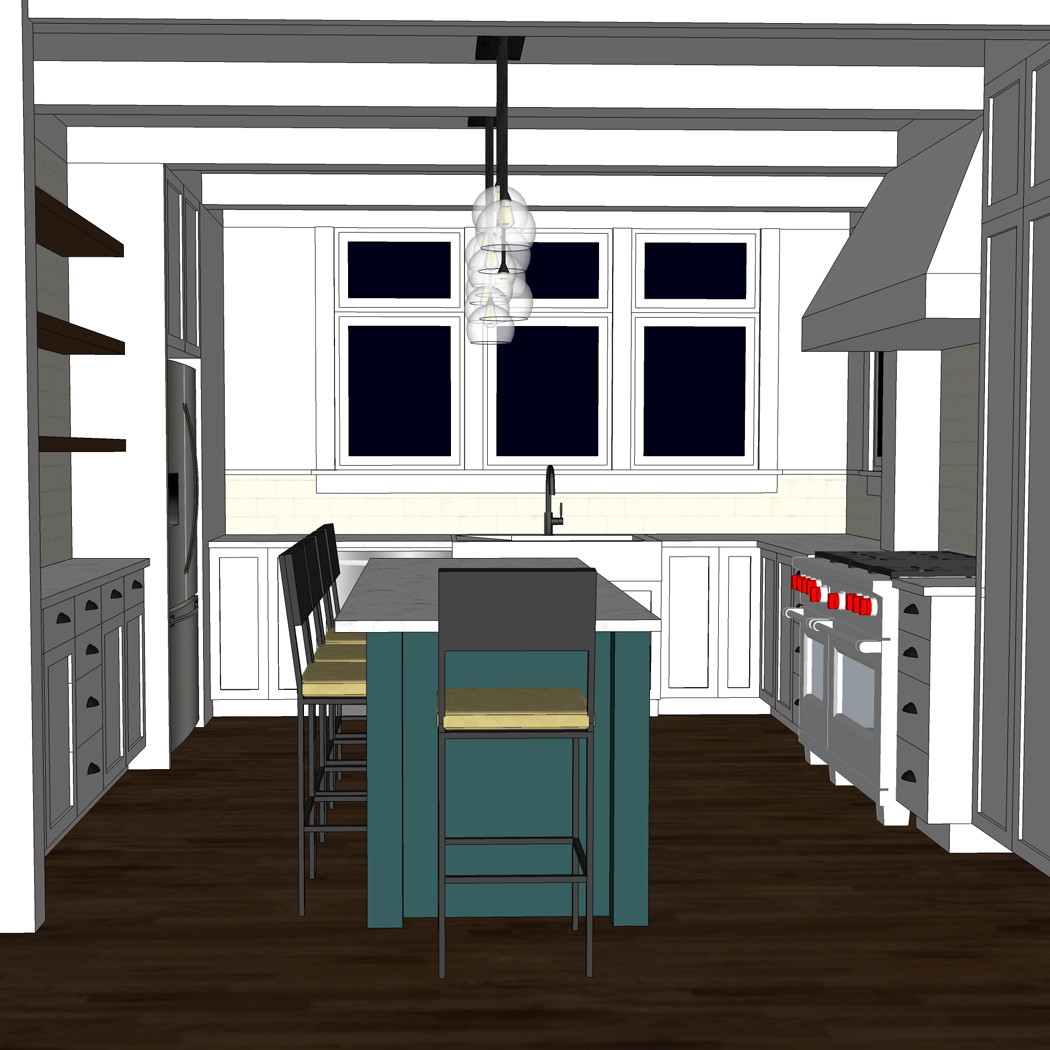
First up on the detailing docket is the kitchen. I wanted to start on it first, because I know that kitchens are the most complicated room in basically any house on the block. Ours is no different. So many decisions need to be made! You can see the basic floor plan layout of the kitchen in this post. The plan is basically still the same, but some of my initial ideas about which cabinets go where have changed.
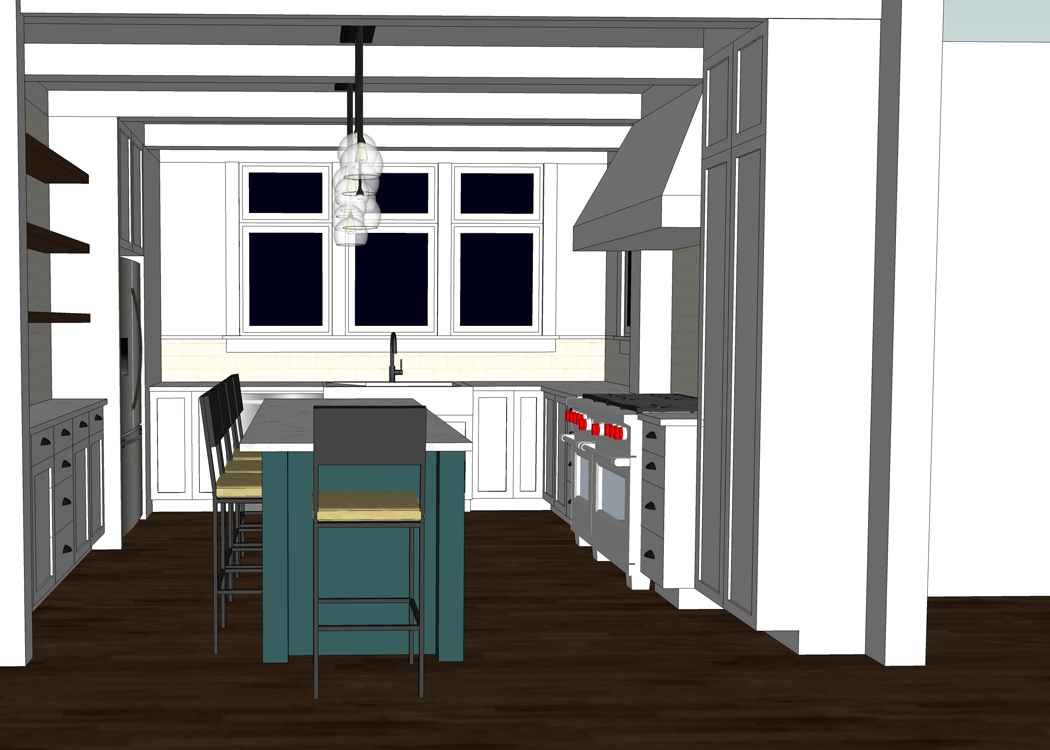
This is the view of the kitchen- standing in the dining space. It can be seen, by a long view, from the front door. The blank space you see on the right is the living room, which obviously hasn’t been detailed yet. The connection between these three spaces (kitchen, dining, living room) is great. There is definition of space but the rooms flow freely into one another.

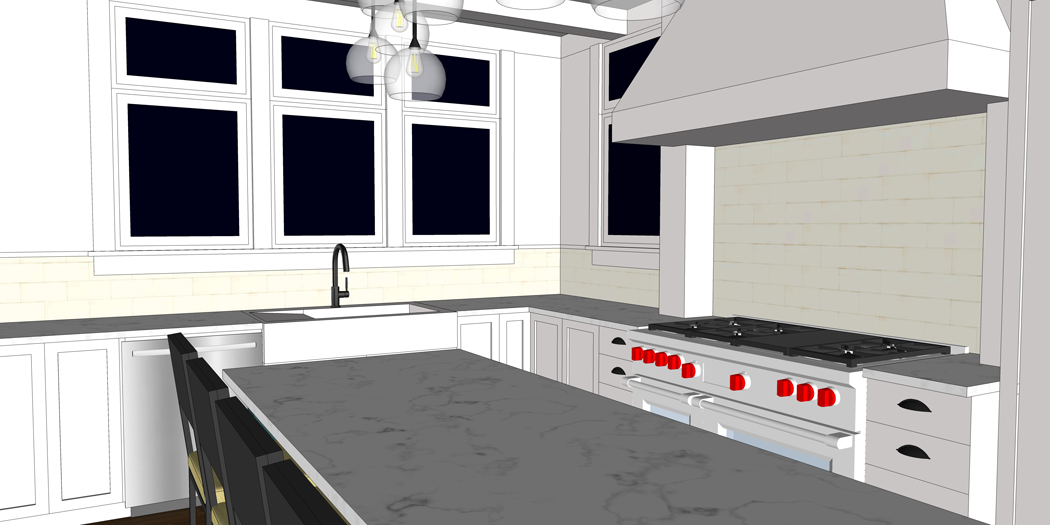
A closer view of the space. I am loving the bright and airy feeling it has so far. I feel like your eye is drawn to the wall of windows, which was my intention. Out those windows will be a beautiful view of wooded acreage.
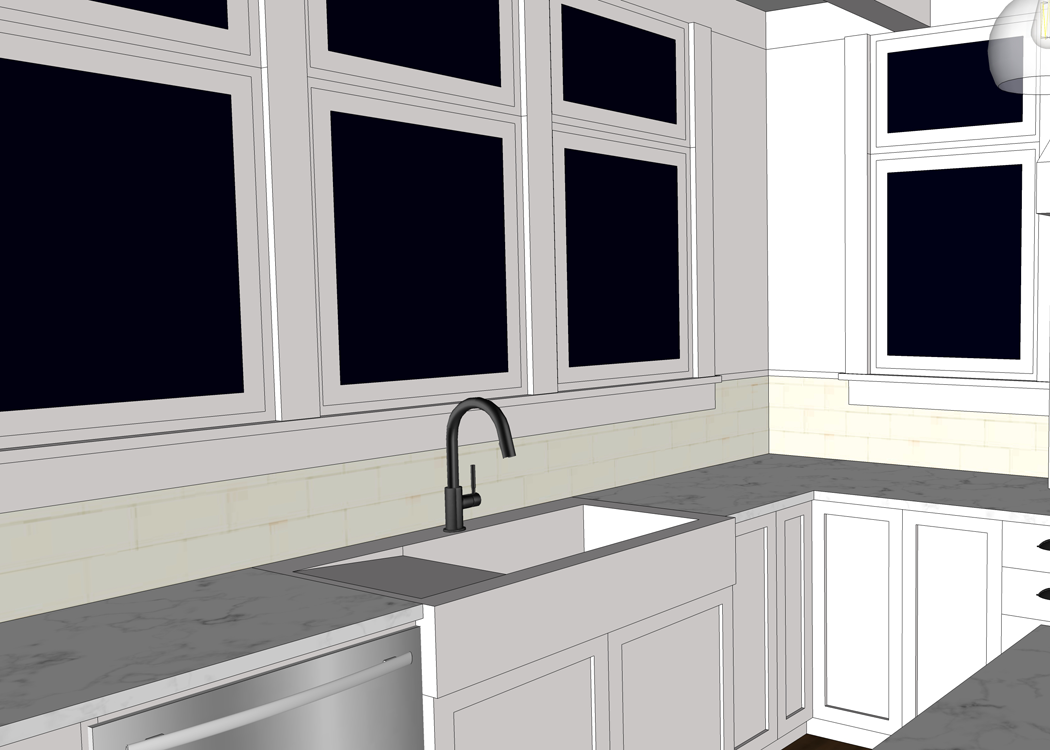
In fact, standing at the sink – which is a reclaimed piece from Craig’s grandparents home – there will be a panoramic view of nature. I think that this view, and the natural light that will be pouring in, will make monotonous kitchen work seem more bearable. Maybe.


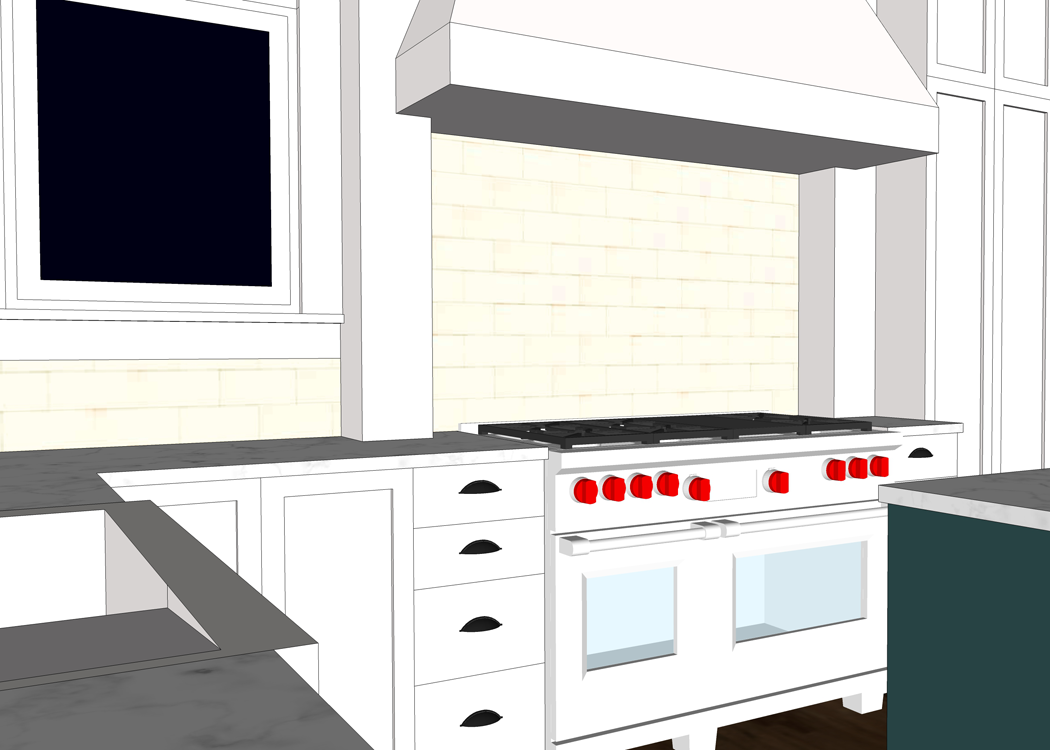
Turning toward the right side of the room, I have placed the range. This is a 48″ wide Wolf range. It is far more luxurious than any appliance we have ever owned; but I have heard only great things about this brand. And, I think it looks wonderful in the space.
The vent hood above would have to be custom made by the cabinet manufacturer. I imagine the ‘pillars’ on either side of the stove to have secret pull out compartments for spices and oils. Another detail that will need to be worked out. I’m envisioning something like this photo.
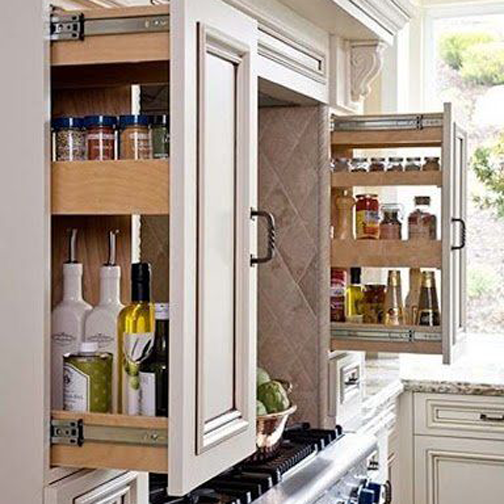

image source

To the right of the stove is a tall cabinet. At the moment, I am thinking that the doors of this cabinet will be telescoping, and when open will reveal the microwave and pantry storage.
In the center of the room is the lovely 7 foot long island. Having a large island in my kitchen has been a dream of mine for a very long time.
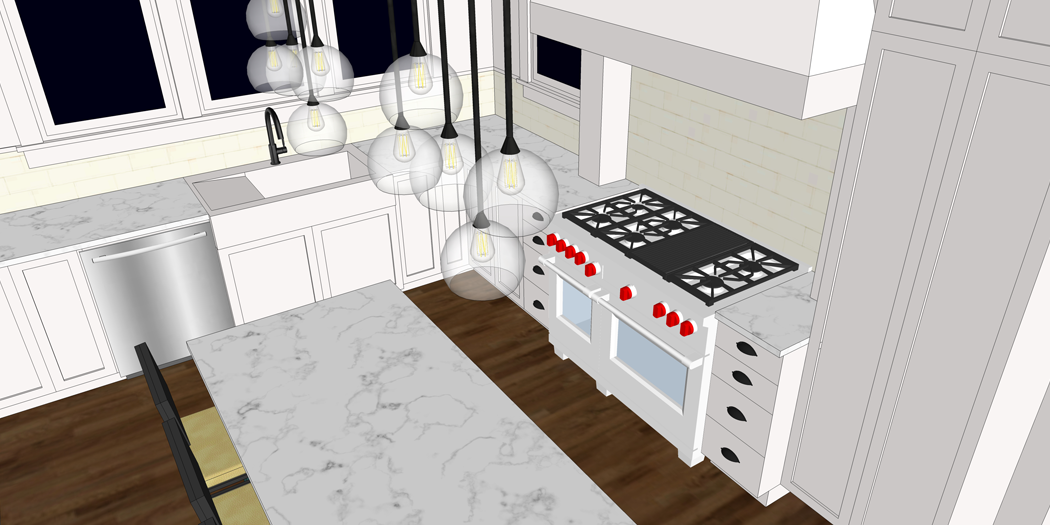
I want the island to be standard counter height so that it can be used as extra prep space. I am thinking that the counter top will be of the same material as what the perimeter cabinets have – some type of white granite perhaps- but I would like the base cabinetry painted a different color to add interest and to give the island more of a ‘furniture’ look.
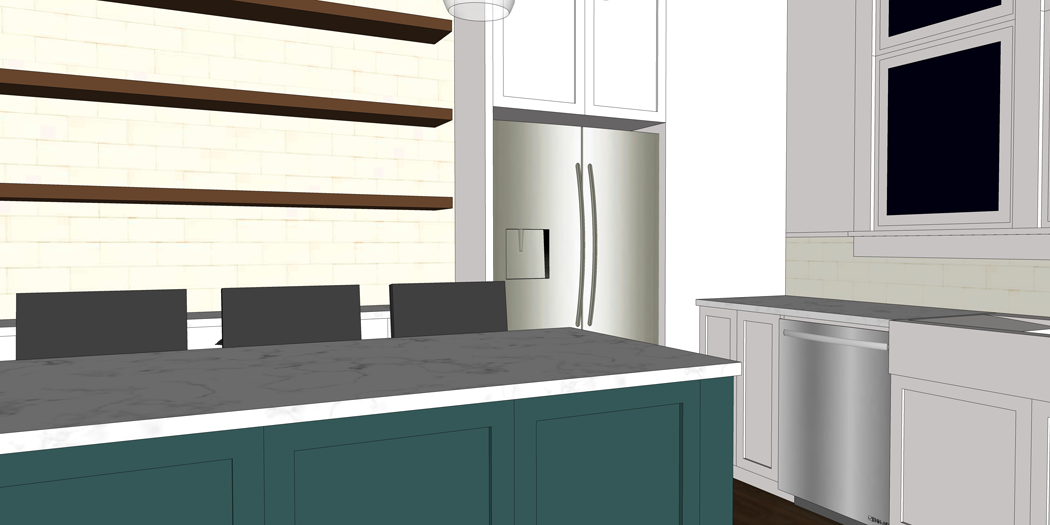
The back side of the island will have storage cabinets, while the other side will feature spots for seating. I have a bit of a debate going on in my own head right now. Should the bar stools have backs or not?

I imagine stools with backs might be more comfortable, but they also look a bit more clunky and may not be as visually pleasing. If you have an island with seating, can you please comment below letting me know which style of seating you have (backs or no backs), and what your thoughts are? Thanks!
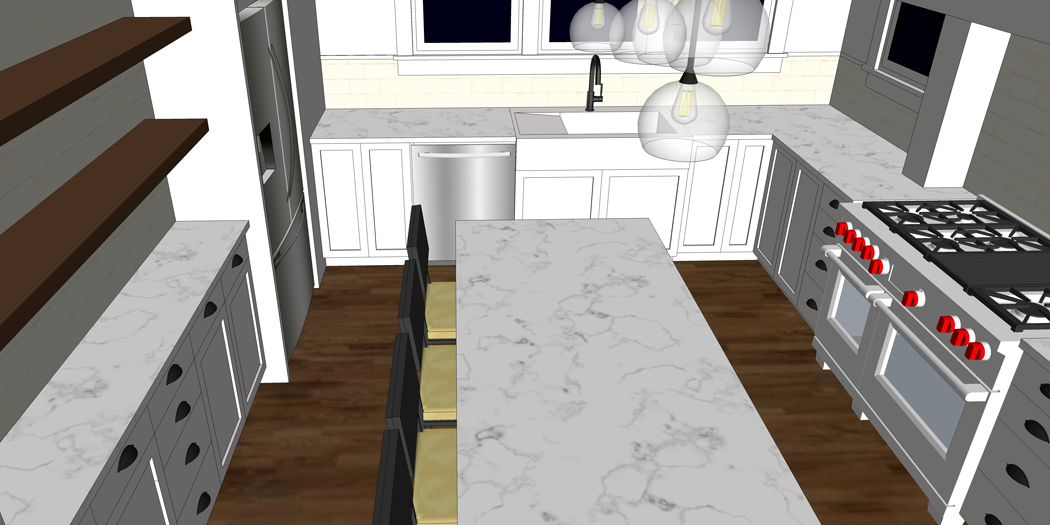
Let’s just take a minute to admire the ceiling, shall we? I am really pushing for some beam elements. I’m not sure yet if they will fit in the budget, but I want to get them planned out anyway. If we can’t do them right away it may be something we add in the future.
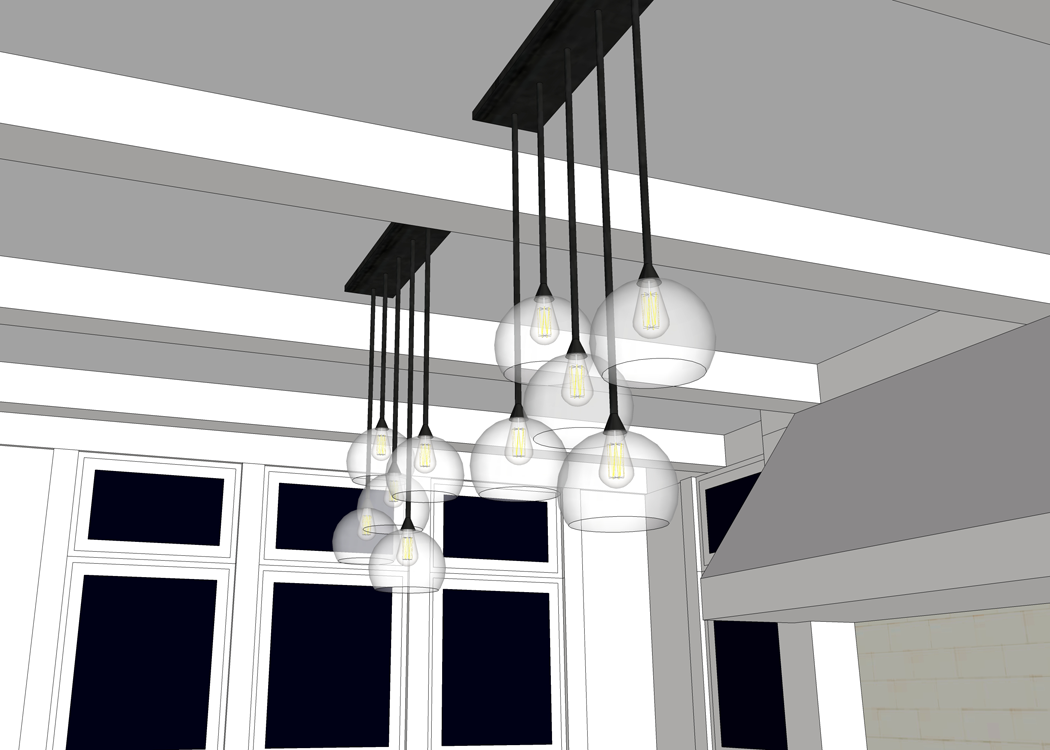
I have not formally chosen light fixtures for the kitchen, but am kind of liking the idea of purchasing multiple ‘similar looking’ pendants and clustering them above the island. An arrangement something like this photo
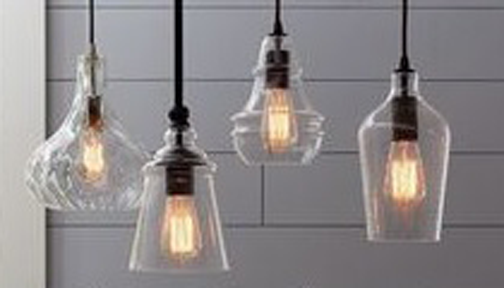

image source

Gorgeous, right? I think it would be an unconventional arrangement, but something that might fit perfectly in the house. Cottages are known for their eclectic style, after all.


The final side of the room features a shallow cabinet and counter, which I imagine will be perfect as a breakfast bar or as a buffet during gatherings.
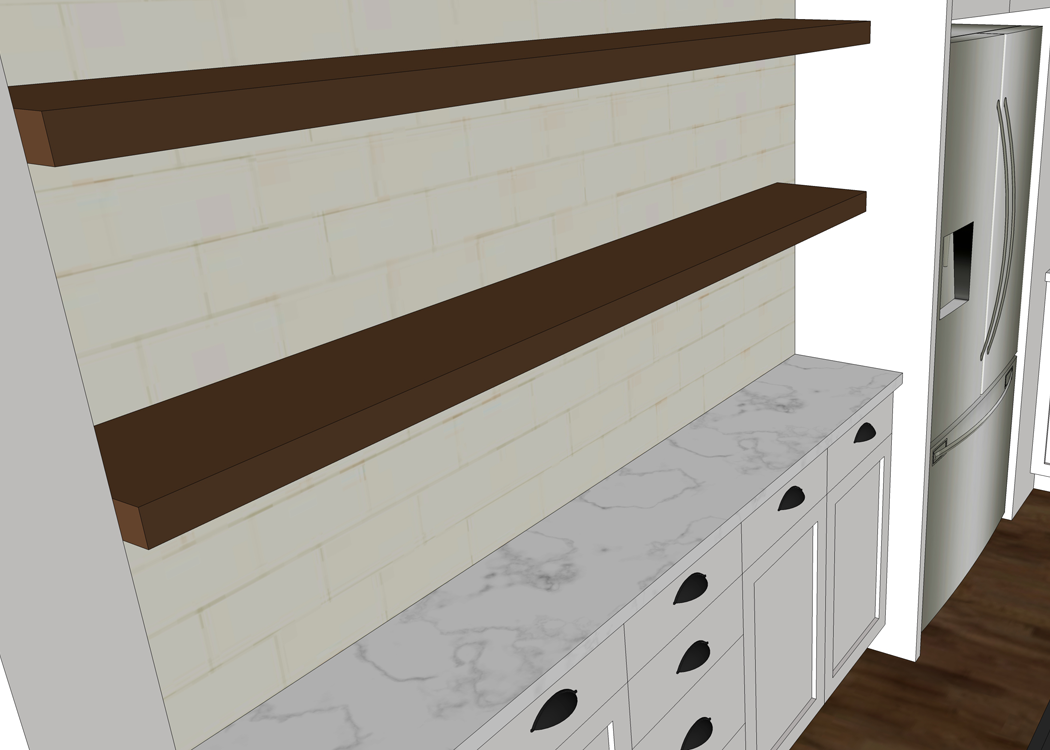
Our property has many mature oak trees, some of which will need to be removed to make room for the house. Craig and I are hoping that we can find someone local that would be able to mill the removed trees into boards. These boards could then be made into special items for the house itself, including the dining room table and possibly the shelving here in the kitchen.
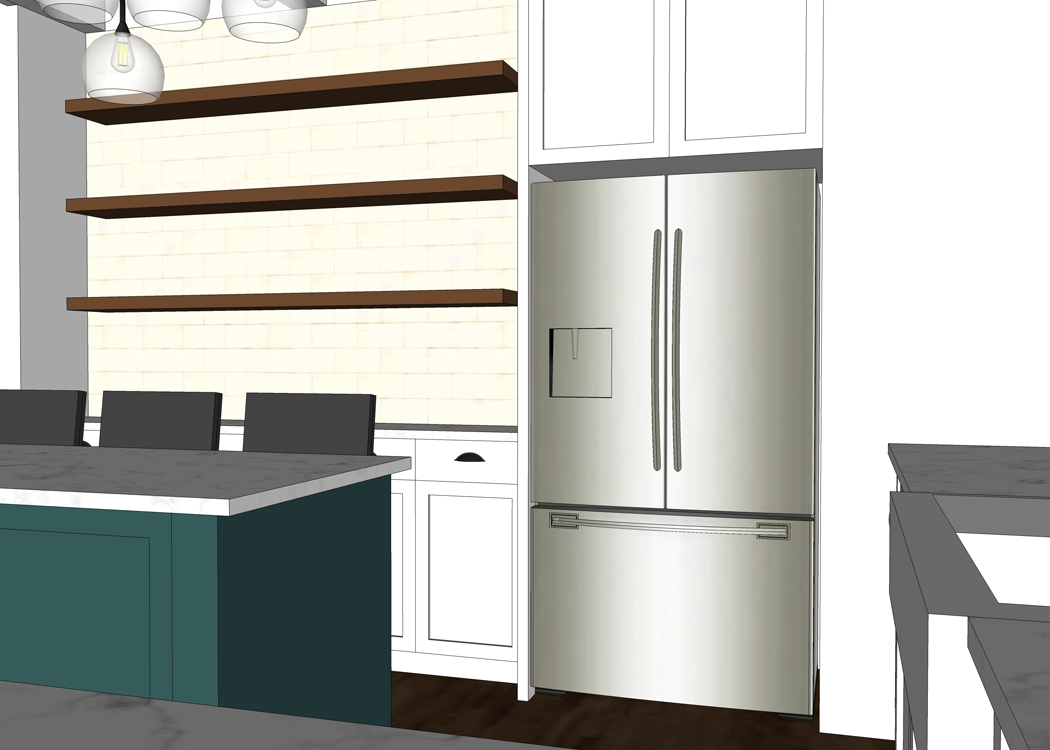
I love the idea of using the open shelves to house pantry items that can be stored in cute glass containers, such as pasta, sugar, and oatmeal. I could also see myself storing our frequently used plates, bowls and tumblers on these shelves. We’ll see how dusty the house gets. If it gets to be too much of a maintenance issue, maybe the shelves will be for display items only.

I love how this family utilizes open shelving.
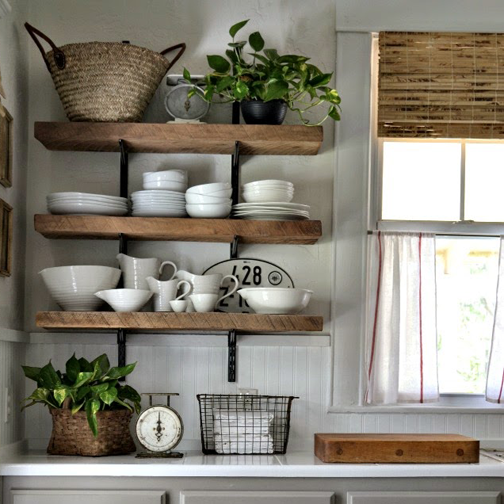

image source

The fridge will have it’s own little corner of the kitchen. One thing our kids are really looking forward to is the availability of crushed ice and cold water on demand. It’s the simple pleasures.

One last look of the kitchen – the view from standing in the living room. You can see the stairs off to the side, and I can just about imagine my hungry little children wandering down from their bedrooms for breakfast in this beautiful space. I am loving the design progress I have made so far!
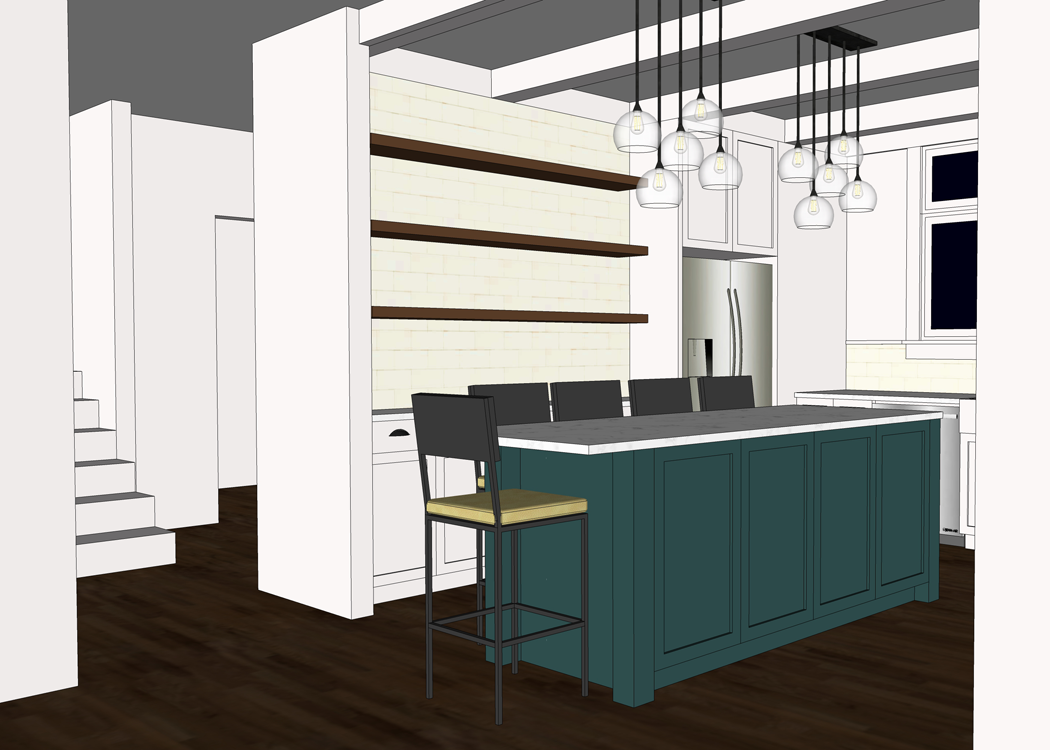
Let me know what you think! Any tips or suggestions?

 

BUILD A HOUSE ON A BUDGET USING THESE 9 TIPS

The cost of building materials and labor has gone up considerably through the years, making it even more difficult to build a brand new house. Many people have taken to buying a fixer upper and slowly repairing and updating it to meet their personal needs. This can be a wonderful option for those who don’t mind living in a bit of a construction zone; But for some people, a new house sounds much more appealing, for a variety of reasons.

In this article I lay out nine simple tips that can help you build a house without breaking the bank.


TIP #1: DETERMINE WHAT YOU CAN AFFORD, ESTIMATE EARLY, AND STICK TO A BUDGET

You need to determine early on how much money you have to work with.

Set up a meeting with a loan officer, who can help you get a general idea; and remember that just because you qualify for a certain loan dollar amount or have ‘x’ amount of available cash, you don’t need to spend to the max. Be sure to include the cost of your site in the budget, if you do not already own property.

Spend time working on your first floor plan layout. Though it varies, the average cost to build a basic home, using fairly standard materials, is around $125/sf. After determining the square footage of your floor plan, multiply it by 125 to get a basic idea of how much your house might cost to build. Does this number seem to line up with what you have determined you can afford? If not, it’s time to go back to the drawing board!

Once you determine your budget, you will need to be checking back with it continuously – not only during the design process, but also once the building begins. All decisions you make will need to be filtered through the lens of the budget. When picking finishes, for example, if you decide you really want to add granite counters in your kitchen but your budget only allows for laminate, you are going to have to make a decision and likely a compromise.


TIP #2: KNOW HOW MUCH SPACE  YOU NEED

The size of your home is going to be an important deciding factor on how expensive your build is. As mentioned in this post, you should consider what size of home you actually need to live comfortably. You might be surprised to learn that you don’t need as much space as you thought you did!


TIP #3: FIND A SUITABLE SITE

The costs associated with the building site, both in purchase and preparation can account for a large portion of the budget. Although there are exceptions, it is generally recommended that you spend no more than 20% of the total cost of a home construction project on a building site. For example, if you have $120,000 to invest in a home project, you should spend no more than about $24,000 for the land.

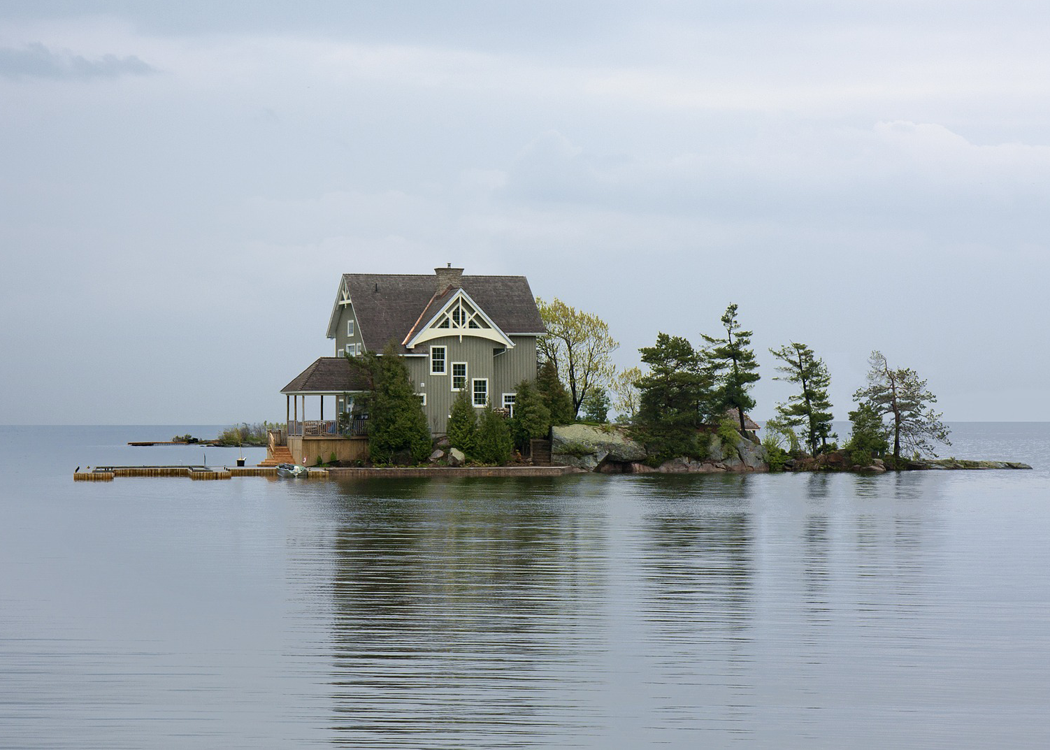
This image, from Pixabay, features a site that was probably VERY expensive to build on!

It is important to find a suitable building site near the beginning of the design process, to ensure that the site and home complement one another. The most cost effective lots are those that are flat or slightly sloped with few trees, and have access to public utilities. Be aware though that sometimes the more ‘difficult’ sites have the potential to be purchased for a deep discount; and, with some creative design, could become a perfect spot for your new home.


TIP #4: DESIGN SMALL & TALL

The two most expensive elements of a home to construct are the foundation and the roof. For this reason, compact two story homes are generally more affordable than one level, sprawling residences.

If you are looking for ways to reduce the footprint size of your house during the design phase, consider these techniques:

ELIMINATE HALLWAYS

Hallways are space hogs. Eliminate them by using the rooms themselves as circulation. If hallways are impossible to avoid, try to reduce them as much as possible.


CREATE MULTI-USE ROOMS


image source

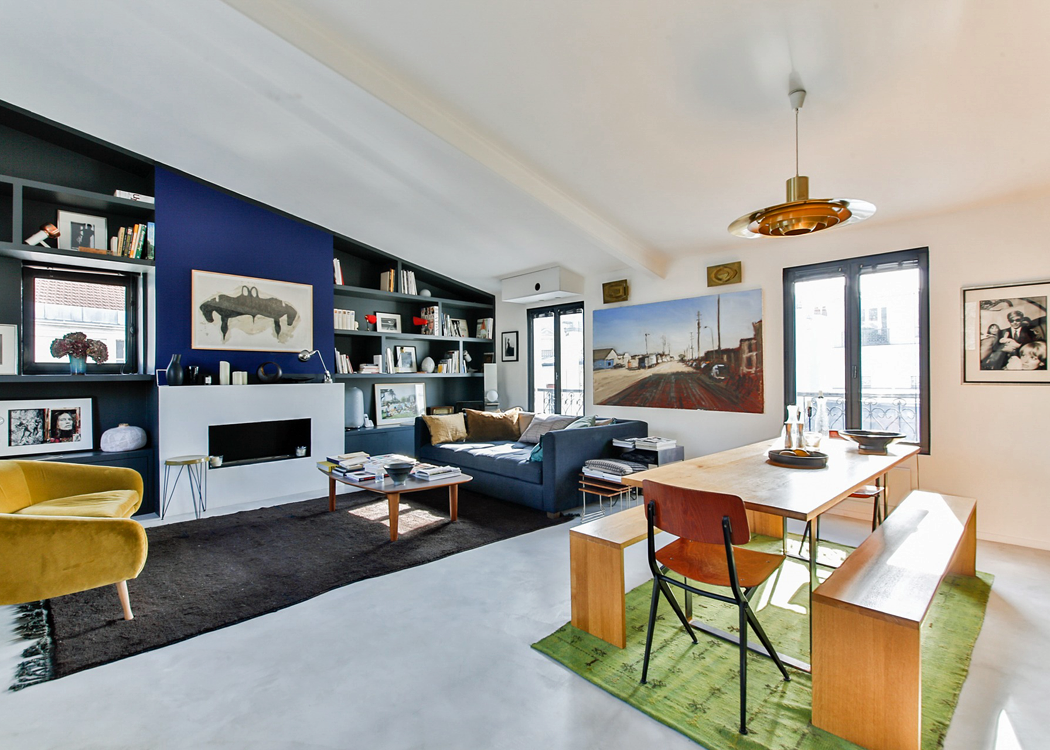
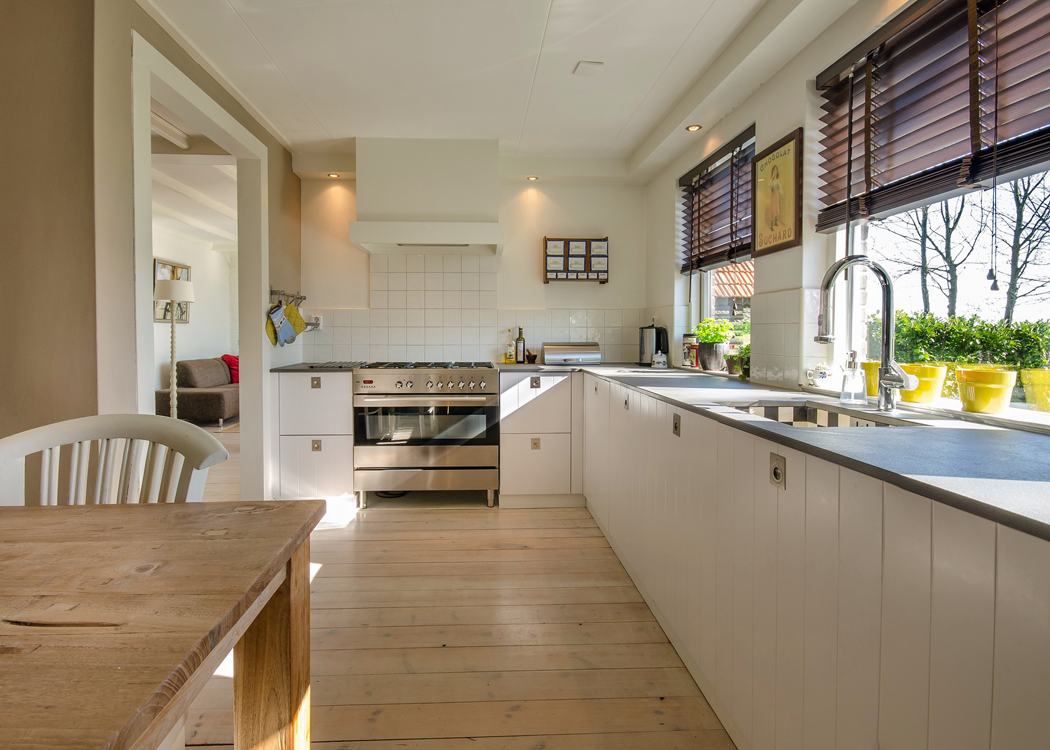
By designing rooms that can serve more than one purpose you can shave quite a bit of square footage from the floor plan. Consider an eat in kitchen, or an office that doubles as a guest room, for example.


REDUCE BELONGINGS


The fewer items you have, the less space you need to house them. Creating an entire room for the storage of seasonal decor may not be the best use of limited square footage. Consider smaller scale furniture instead of large/ bulky pieces. For example, a sectional sofa will take up less space than two couches in a living room.

SHARE


image source

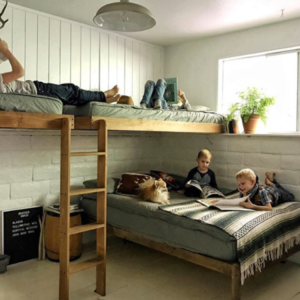
If you have children – consider having them share a bedroom. Even if they aren’t fans of the idea, you can rest assured that sharing won’t hurt them, and may actually be good for bonding. Check out these bonus tips on how to accomplish a shared space for the kids.


TIP #5: CONSIDER BASIC / SIMPLE SHAPES

A rectangle or square shaped home, with four corners only, is the most simple and cost effective to build. For each corner that is added, the price increases. Extra corners affect the complexity of the foundation and the roof, which as previously mentioned, are the most expensive aspects of a new build.


TIP #6: UTILIZE STANDARD MATERIALS

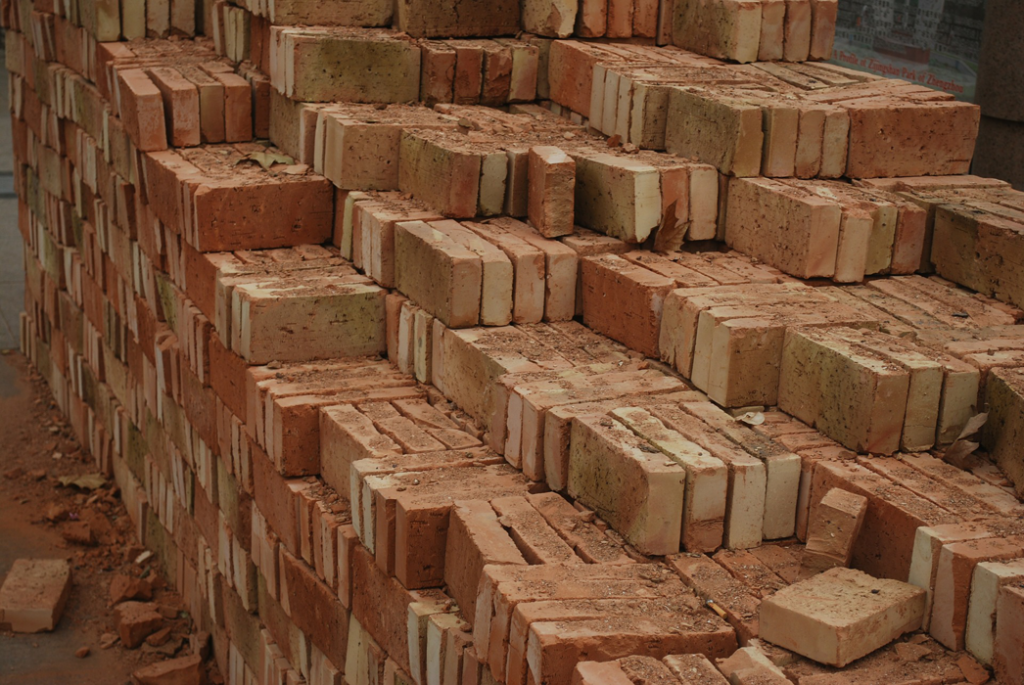
By designing with materials that are readily available, you can save a bundle. Simple cinder blocks and pine planks can be arranged in creative and aesthetically pleasing ways that won’t break the bank.

This house is an example of how standard materials can be combined in a beautiful way.

Consider checking out the discounted stock at your local home centers. As the quantities of their inventory get low, the stores will begin to offer them at bargain prices. This could be a perfect solution for those small spaces, such as powder rooms or entryways.

You can also find reclaimed materials inexpensively. Check  the local Habitat ReStore, Craigslist, or even the trash yard. If you know of a house that is about to be torn down, inquire about purchasing the useful bits that are salvageable (doors, trim, or hardwood floors, for example).

Purchasing stock cabinets is another way to save big. You can create a layout using typical pre-built sizes and arrange them to get the look of custom cabinetry.

This article, written by Apartment Therapy, provides ideas on how to use stock cabinetry throughout the home.

Please note that it doesn’t always make good financial sense to use extremely cheap ‘builder grade’ materials, especially on the exterior of your home. Though the upfront costs of these materials may be lower, there is an increased possibility that they will need to be replaced more quickly, negating your initial savings.

TIP #7: BUILD IN PHASES

There is a chance that while you are in the process of designing your home you will come to the realization that your family needs more space than the budget will allow. Look at the design closely to determine if there is a way you can split the construction into phases. One common technique is to build the house first, and add on the garage at a later date.

This house is a great example of one that was designed to be built in phases

Another option is to build the house shell, and finish the main floor living space only. The basement or second level / attic can be left unfinished until the money becomes available.


TIP #8: ADD SWEAT EQUITY


image source

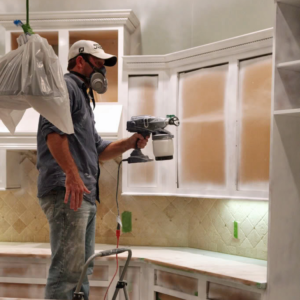
Though not everyone is cut out to be the general contractor of their build project, there are plenty of smaller and more simple tasks you could tackle to save some serious cash. You could paint interior walls, install flooring, or even shingle a low pitched roof. The time you spend tackling these projects will allow the construction crew to focus on the more difficult tasks. Be prepared though, that these odd jobs will likely take you more time than a crew to finish. You should communicate and coordinate with your contractor to be sure you aren’t holding up any future steps by taking on the work yourself.


Be mindful that unless you are very familiar with construction, there are a few jobs that are probably best to steer clear of:

FOUNDATION: The foundation is just so important. It needs to be level and square. If you are using a poured foundation, it is vital that the consistency of concrete is correct. This is more than a DIY endeavor and should be passed to the pros.

ELECTRICAL: For safety reasons, the electrical work is something the typical homeowner shouldn’t tackle. Not only will your home need to pass an electrical inspection, it will also give you peace of mind to know that this specialized job was done right.

ROOF FRAMING / TRUSS WORK: The framing of the roof will likely involve the use of a crane to bring in trusses. Working in close proximity to heavy machinery can be unsafe; and if the house is two stories, a fall from that height can cause major injury.


TIP #9: DELAY BUILDING

If you aren’t quite ready to make the above compromises – your best option is to wait to build. If you start a home building project before you are ready, you risk making foolish and expensive decisions during construction that could give you a financial headache. There is something to be said about waiting. It may even make you appreciate your new home even more. In the end, you want your home to be a blessing and not a curse!

Personally speaking, my husband and I have waited a LONG time to get to the point where we felt ready to build. Designing and building a house for our family is a dream that has literally been YEARS in the making. I know that once Arrow Hill Cottage is complete we will be so thankful we took the extra time to make sure we were financially ready.

I hope you enjoyed these nine simple tips and have learned that building a house can be affordable, even on a budget, if you are careful in the design/planning stage and mindful throughout the construction.

Pin this image to save these tips for later!