7 SIMPLE TIPS FOR ROAD TRIPPING WITH KIDS

Our family doesn’t go on a ton of vacations, but we do make a 6 hour trek in our van at least a couple times every year to visit the grandparents.  As summer travel ramps up, I thought it might be helpful to share some of the tips we have collected over the years to help make traveling with kids a bit easier.

TIP 1:  CLEAN YOUR VEHICLE BEFORE THE TRIP

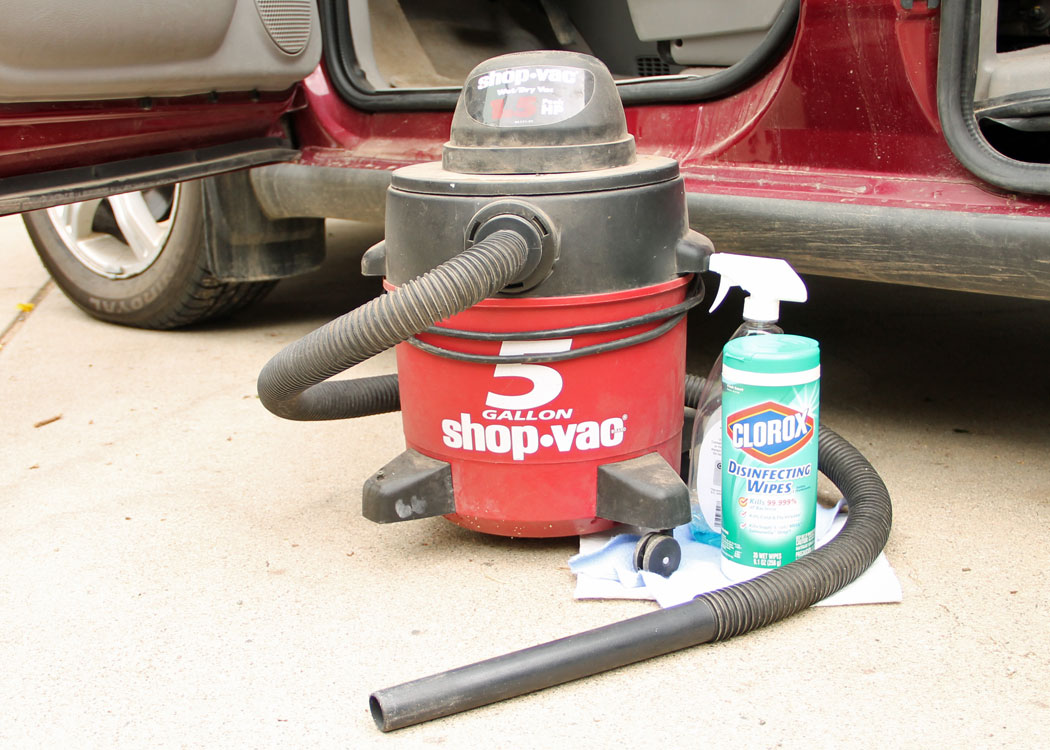
I know, I know. When you are planning a big trip, cleaning the vehicle probably isn’t even on your radar; But it should be.  Your family is going to be spending a lot of time in close quarters, and surrounding yourself with clutter and trash is an invitation for chaos.  Start the trip in the right state of mind by getting everything tidied up before you pull out of your driveway.  Trust me. Organization is going to be key.  If your child suddenly needs something and it can’t be found because it is buried under piles of other things, a meltdown is sure to happen.  Keep necessary items in easy reach and make sure to bring with a few extra trash bags, to keep your freshly cleaned digs that way.

Want to clean quickly?  Check out this post for tips on how to get the job done fast!

You might also want to think about having the vehicle serviced and the oil changed.  Doesn’t hurt to give it the old once over, to make sure everything is working properly.  As always, make sure you have the proper seasonal items along, especially if you will be traveling during the winter months (shovel, ice scraper, jumper cables, blankets, hot packs, snow boots, etc)

TIP 2: STASH EXTRA CLOTHES

This is especially important if you have very young children.  Whether it’s from a toileting accident, car sickness, marker stains or juice spills, the last thing you want to do is rummage through all of your carefully packed luggage for a new outfit to put on your little one.  Grab a gallon size Ziploc bag and toss in extra pants, socks, underwear and a shirt.  You may not need to use it – but you will be thankful to have it ready if you do!

TIP 3: FIND THE RIGHT SEATING ARRANGEMENT

You understand your family dynamics best. You know which kids like to push each other’s buttons, who needs more help from mom and dad, and who needs more personal space.  Although it might seem like a hassle to rearrange car seats from their standard everyday locations, sometimes it can be the most practical thing to do.  We have a mini van and typically the girls seats are in the middle row with the boys in the back; but for long rides the boys just feel way too packed in sitting together, so we do some rearranging (Two boys in the middle and one boy in the back with both girls.)  Thankfully our boys are old enough to help the girls if they need something from the back row.  You might need to play a game of musical seats until you get it right – but when you find the perfect combination it will be worth the extra effort!

Have lots of littles in car seats?  Check out the Diono brand – their models are more narrow, so you can fit 3 across the back bench seat.

TIP 4: HAVE ENTERTAINMENT READY

The modern day electronics such as on-board DVD players, ipads, and tablets are obviously very effective; But if you don’t want your kids looking like zombies when you reach your destination, try to include other activities such as coloring books, license plate bingo and other travel games.  Our kids enjoy listening to stories on CD, such as Adventures In Odyssey and silly songs like those by the Okee Dokee Brothers.  Even the popular fidgets can provide some tech-free car ride fun for kids.

Visit This website for links to a ton of fun looking travel road games that you can print for free!

TIP 5: PACK COMFORT ITEMS

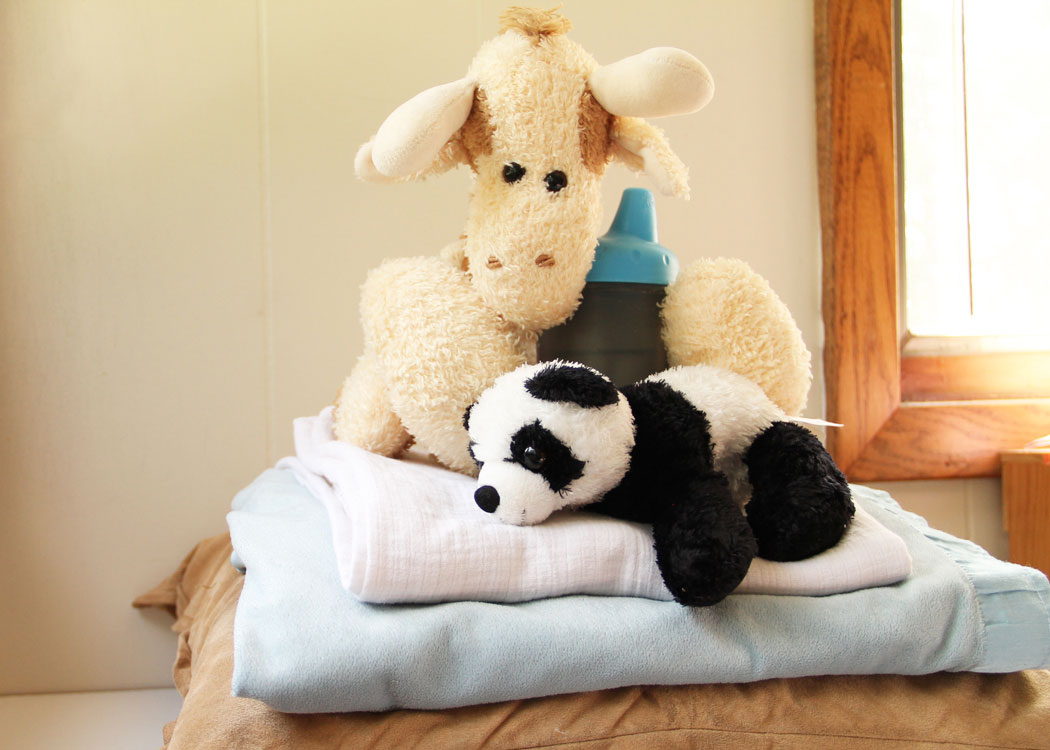
Car-time naps are few and far between for our kids as they are getting older, but we still like to keep them as comfortable as possible should the need arise for one.  A special blanket, comfy pillow or favorite stuffed friend all come in really handy to keep kids calm and possibly (fingers crossed!) help them drift off into dreamland.

TIP 6: BRING ALONG PLENTY OF SNACKS

For our long rides, this is not an optional tip.  This is a rule to live by.  Hungry kids are not happy kids, and that’s a fact.  To avoid making pit stops every hour for food, pack snacks.  Instead of buying the individual serving sized convenience packages, opt for the family/bulk sized snack containers.  Not only will it be less expensive per ounce, but you will avoid having all that wrapper waste.  I recommend passing out snacks in small bowls or baggies.

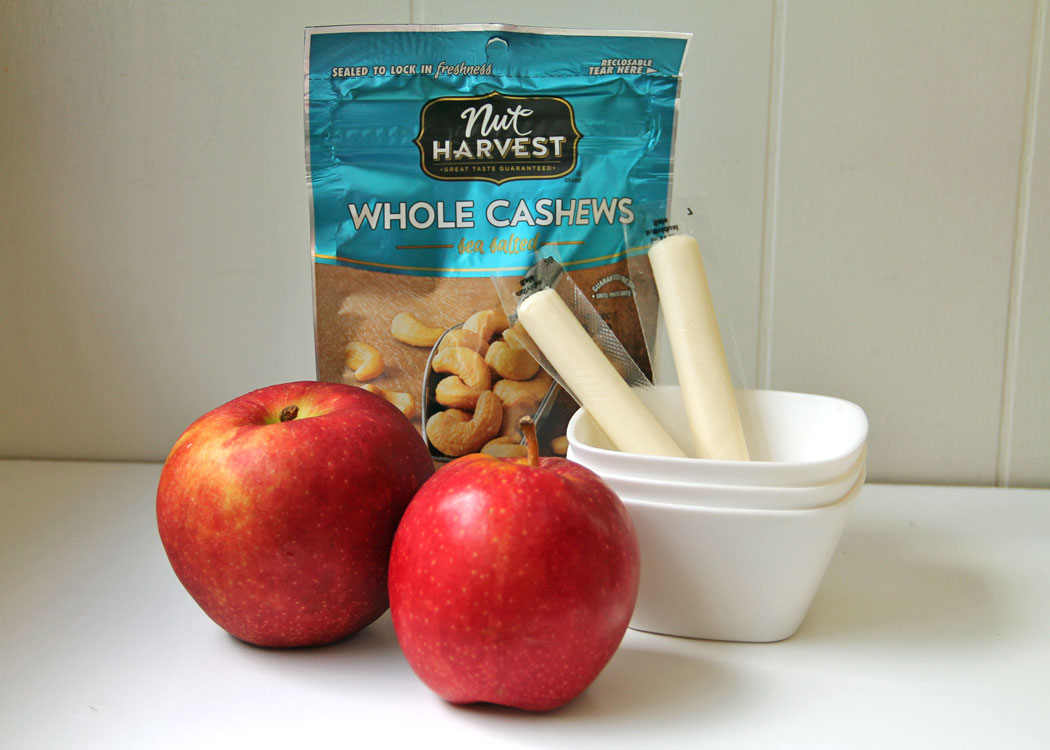
We like to bring along a variety of fairly clean, kid friendly snacks – nothing too sticky, crumbly or easily melted. Some of our favorites include apple slices, baby carrots, string cheese, nuts and goldfish.  Try to keep the sugar rush to a minimum by packing healthy options.

Want more car snacking ideas?  Be sure to visit this site!

Make sure to have hand sanitizer and wet wipes at the ready for when the kiddos get the munchies!

TIP 7: PLAN STOPS ALONG THE WAY

Kids need to move.  They also need to pee.  You are going to need to stop at some point along the journey and it makes sense to figure out ahead of time where you are going to stretch your legs.  Find a stop along the way that is not far off of the main road you are traveling – with access to a gas station, toilets and preferably a park.  We have found that even a quick 15 minute stop can refresh our family and prepare us for the road ahead.

There you have it!  Although kids can be unpredictable and it is impossible to plan for every situation that may happen, by following the advice listed above you should be on your way to a fun and calm road trip!  Happy travels!

DIY – PAINTING A DOOR (AND FREE PRINTABLE ART!)

I’ve been wanting to tackle this project since we moved into the farmhouse nearly 3 years ago – but other things have always taken priority.  Tiny matters such as making sure people are fed and have clean clothes for school – BORING!

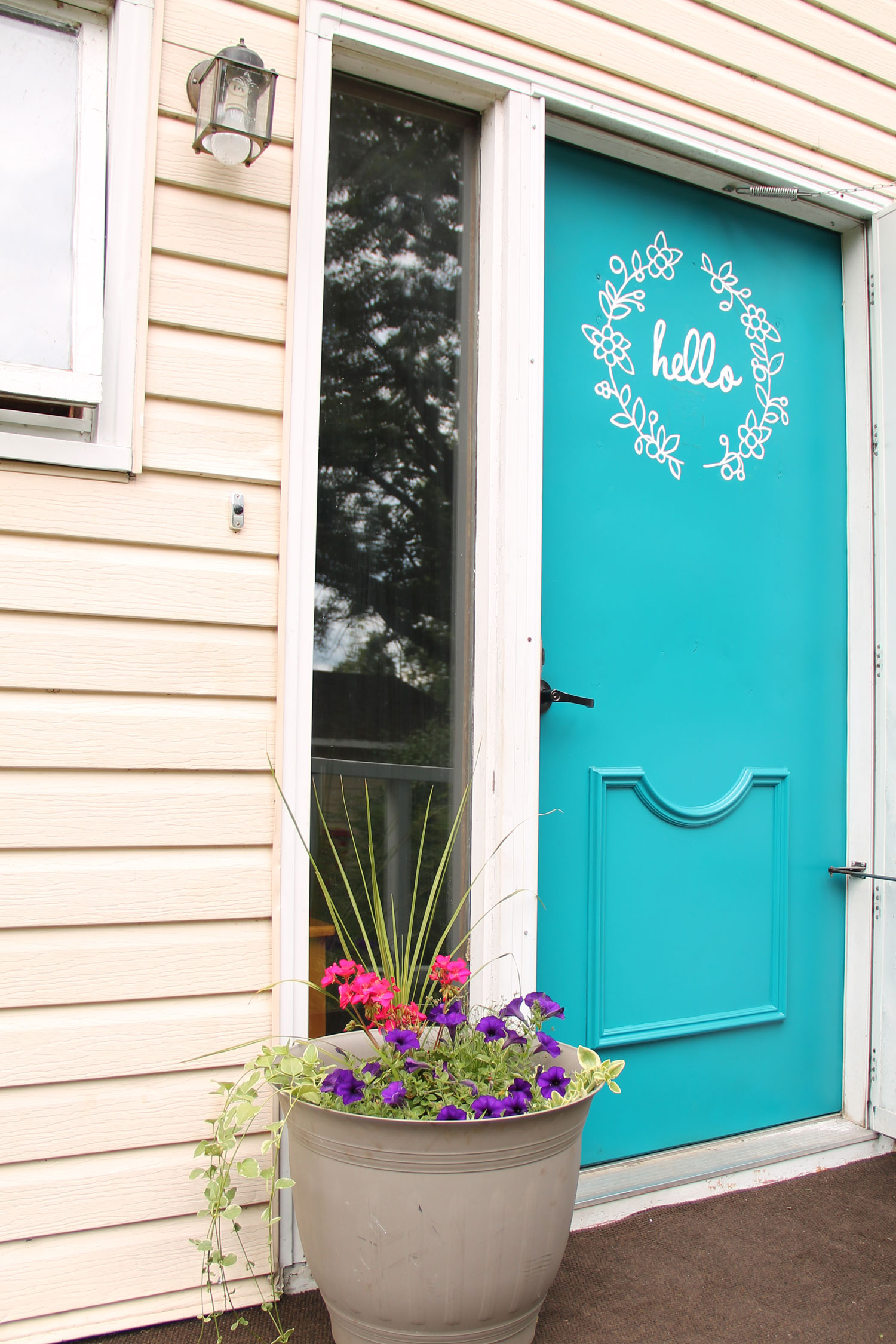
this weekend I was finally able to bring this idea to life!  As I have mentioned before, we are renting the farmhouse we live in.  However, we are renting from family members who have given us quite a bit of leeway to do whatever repairs or cosmetic fix ups we deem necessary, which is great because adding personal touches really helps make a house into a home.  The front door serves as a gateway from public to private space – and you can’t get more personal than that! We could have added a festive wreath to the door, and that may have done the personalizing trick – but with 5 little ones running around, the chances of a physical wreath surviving for longer than a few hours is basically zero. I turned my sights in a different direction.

If you remember from this Saturday Sketchbook installation – I played around with some design ideas through sketching.  I had initially thought of using a monogram, but didn’t want to have to paint the door again once we move and the house becomes available to other renters.  I then toyed around with the idea of painting ‘welcome’ on the door – but that just seemed too formal for the farm.  Eventually I landed on a simple springy wreath motif and the more informal ‘hello.’  The sketch was hand drawn until I cleaned it up via the magic of editing software.

This is our BEFORE

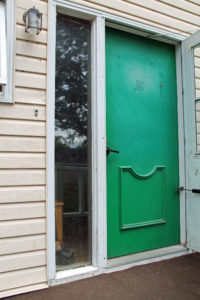
It should be noted that our front door is of the flat slab metal variety – very plain Jane and not very common.  In fact, we are basically positive that the detail you see near the bottom of the door was mirrored on the top portion.  At some point that must have been removed/ fallen off.  It just looked really unbalanced and awkward.

Keep in mind that most houses have raised panel doors, so depending on your panel design, this project may or may not work for you. Never fear though- you could find a square of plywood, follow the steps below, and make yourself a pretty piece of artwork for your entry!


These are the items you will need to tackle this project yourself:

* A door!  Or, a piece of wood that will fit your design

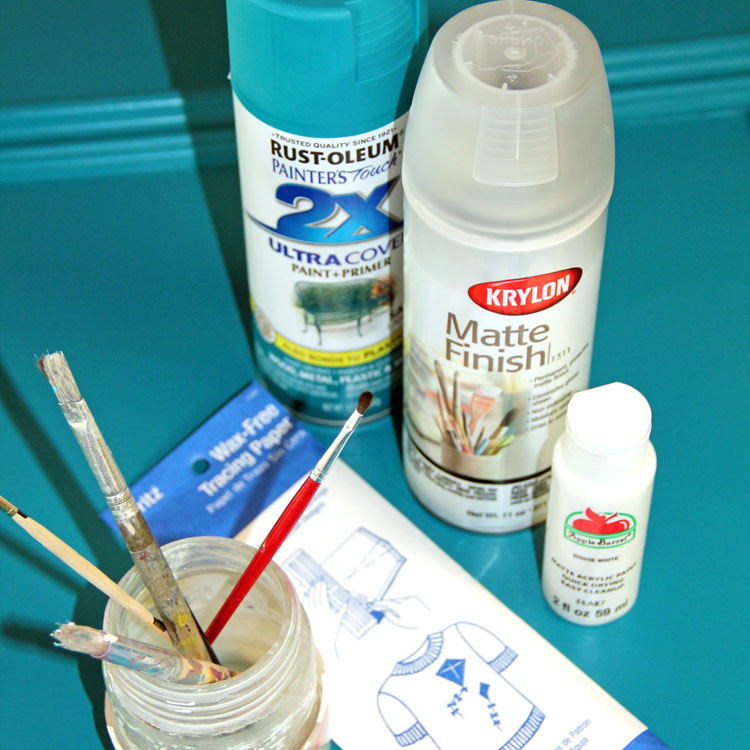
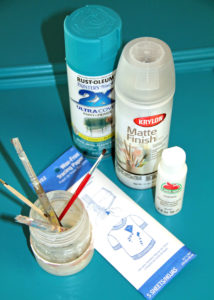
* Spray paint in your choice of color.  (at least 1 can per side) We chose this very pretty aqua from Rustoleum.  It has paint and primer in one, which gave great coverage for our metal door.

* Acrylic paint (matte finish) + a fine tipped paint brush

* Protective clear paint fixative (optional).  Just an added layer to protect the finished product.  I like Krylon Matte Finish – it dries quickly and doesn’t leave any residue.

* Wax free tracing paper

* A printer, paper, scissor, pencil & a bit of tape


Here’s what to do:

(Step 1) Remove the door from the hinges and bring outside to sturdy sawhorses (I employed the assistance of my strong and willing husband for this task)

(Step 2) Clean the door thoroughly with mild soap and water.  Allow to dry completely.  Note: if there are any loose or rough patches, scrape and sand them down before cleaning! Confession: Our door did have some damage that once scraped left some pitted spots.  If we were going to be living here long term we would have filled them in and sanded them smooth before completing the next steps, but we figured ‘eh!  good enough!’

(Step 3) Follow directions on the spray paint can and paint your door.  We chose to leave the inside color the existing brown and paint only the exterior portion + sides.

(Step 4) Allow paint to dry, depending on the instructions on the can.  This can be anywhere from 2 to 48 hours!

(Step 5) Add an additional coat of paint if needed.  While the door is drying, you can begin preparing the design.

(Step 6) I resized my design so that it was approximately 20 inches x 20 inches.  I then printed the image on multiple sheets of 8.5 x 11 paper and taped then together to form the entire image.  I could have brought the enlarged file to a print shop and asked them to print it on a single large sheet, but I’m too cheap for that!

(Step 7) Place the wax free tracing paper underneath your design sheet so that the colored side is facing the painted surface.  Working in small sections at a time, trace the design image with a pencil.  It will transfer the design onto the painted surface – so handy!

(Step 8) Using a fine tipped paintbrush, trace over the design with the white paint.  I love the contrast of crisp white on a bold, fun color.

Here I am painting the design on the door – Funny how the time-lapse makes it look like I got this accomplished in under a minute! (Truth: it actually took about 45!)

(Step 9) Allow the white paint to dry, then touch up as needed.  I had a couple of parts that needed a second coat.  Allow all paint to dry completely.

(Step 10: optional) ***If you are painting on a wood surface, now would be the perfect time to take a little fine sandpaper and sand down the brush stroke lines of the white paint.  This isn’t quite so easy over a spray painted metal surface as it tends to leave scratch marks.***

(Step 11) Spray the clear coat fixative over the design.  Allow to dry

(Step 12) Re-install the door, stand back and admire!


I am so pleased with how the finished product turned out that I want to share the love with a free 8×10 printable in 3 different colorways (white, black, and aqua).  Simply click on your color of choice below, print, trim, and pop in a frame.  Enjoy friends!


SATURDAY SKETCHBOOK: CHALK ART

Today’s installation of Saturday Sketchbook is a perfect example of how this busy mom gets in some relaxing art time while hanging out with her kids.

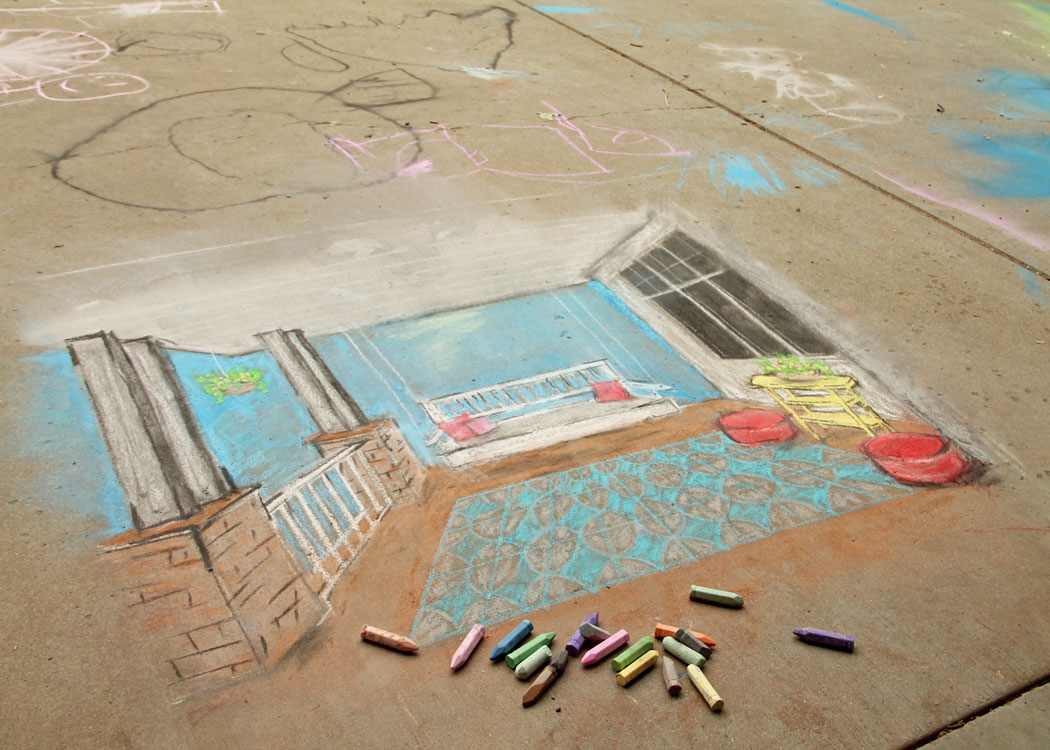
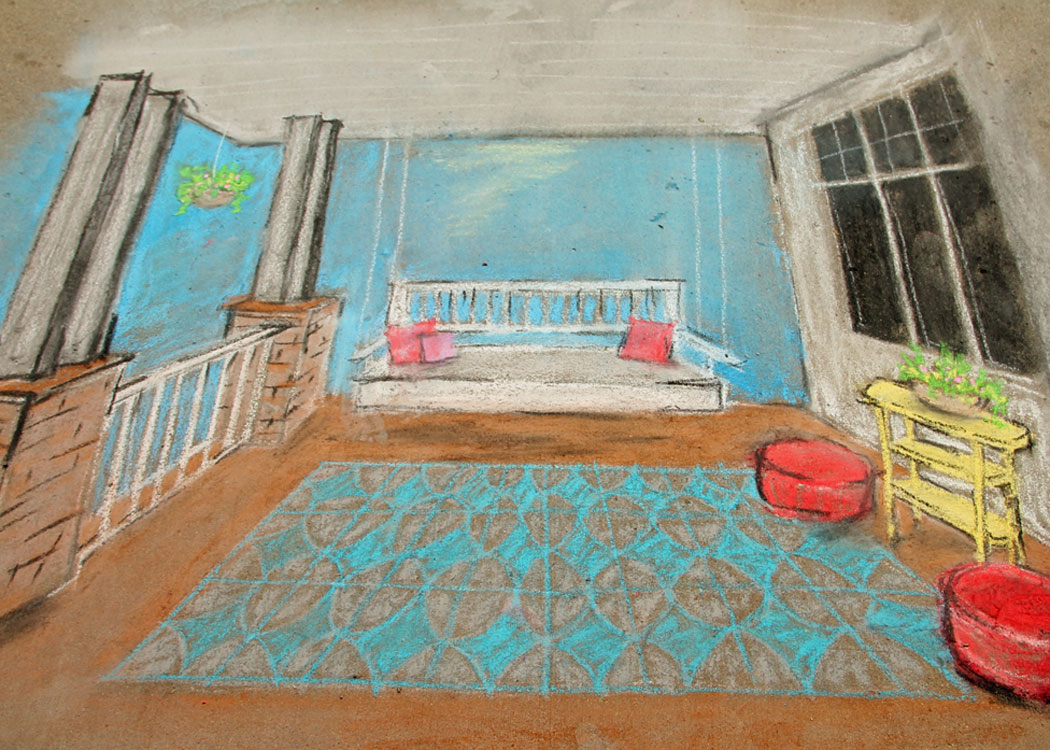
It was a cloudy and cold afternoon yesterday and the kids were all outside coloring on the driveway.  It seemed a good opportunity to do some sketching myself and I was about to head outside with my sketchbook in hand.  Then I thought ‘why not sketch with chalk?’  So I sat down beside my 5 little munchkins and set to work.  As I continued on, they began throwing out some outrageous complements such as “That is the coolest thing I have ever seen!” and “You could sell that drawing for ten thousand dollars!”  They asked questions like “How did you learn to do that?” and “Can you teach me how to draw?”  I witnessed them bringing to life their own personal creations which included a large butterfly, a wagon wheel, and a robot guy.  And, most of all, we were able to spend time together.

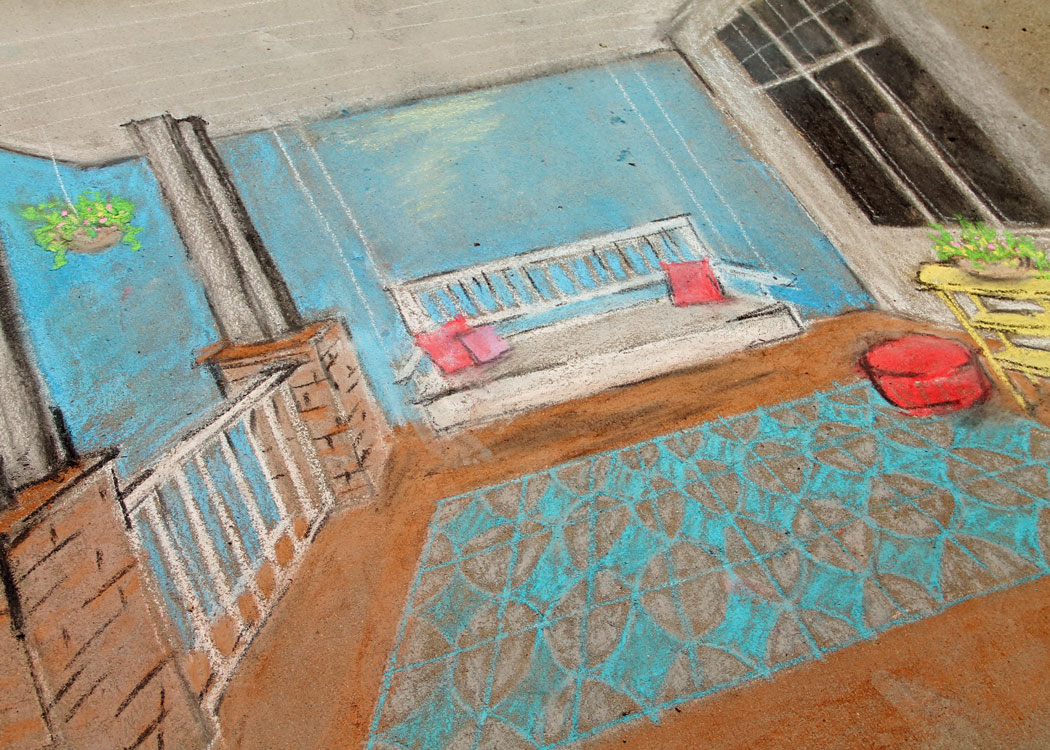
The sketch isn’t nearly as important in comparison – but here it is anyway…. daydreaming of our future front porch.  I can about imagine sitting on that porch swing reading a book and grabbing a cold lemonade from the yellow side table – maybe doing some sketching there someday as well.

And my all time favorite photo of the sketch – surrounded by all the doodles from the kids.  Love!

ON THE ROCKS

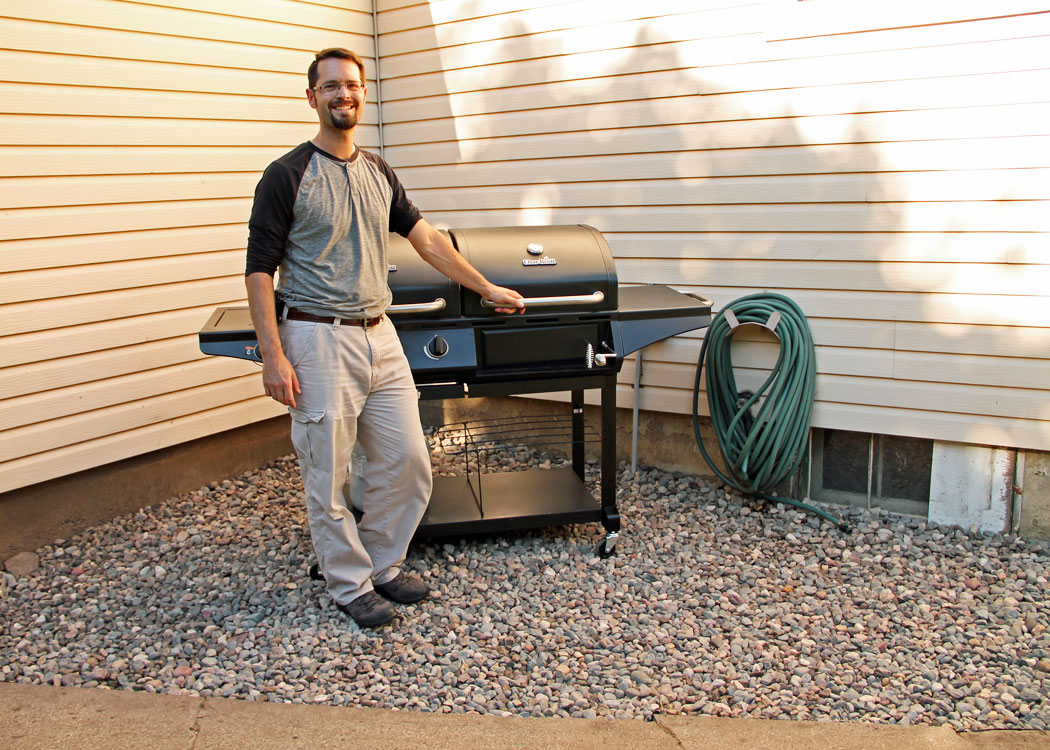
At the start of this summer season, we busted out the grill.  A hand-me-down 1970’s Weber charcoal unit that has seen it’s fair share of misery through the years.  Dents and rust prove that it has been well loved, and we decided that it was finally time to let the old guy retire.  As a Father’s Day gift, Craig chose a brand new dual burner unit with a unique feature – it can cook with gas OR charcoal!  Charcoal for the days when taste is a high priority and gas for convenience.  It is the best of both worlds, but it did present us with some challenges because of it’s size. It is at least 3 times larger than the Weber and does not hide discretely near the side of the garage when not in use.

Craig has been such a good sport for the past 15 + years we have been together.  Most of the time he will entertain my crazy ideas and is usually the one handling the bulk of the labor to bring them to life.  Begrudgingly at times, perhaps… but he gets the job done.  Every once in a while I try to contribute my own sweat equity and tackle a project without enlisting his help – to give the poor man a rest!  And so, with the goal of giving the grill a home and Craig a space to enjoy some solitude while he uses it, I set to work on a long forgotten corner of the yard.

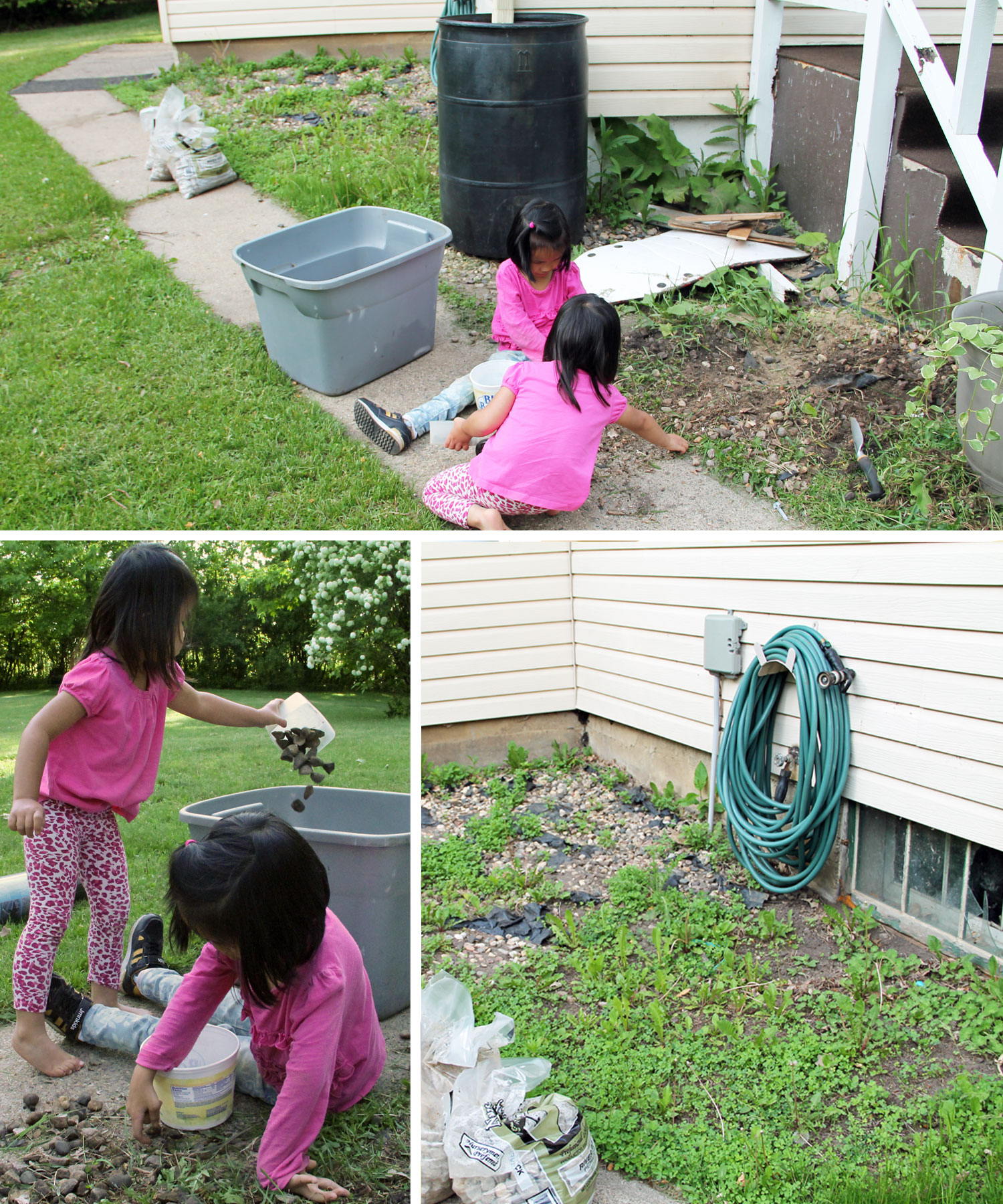
Many of you know that we sold our American Foursquare home in the historic district of our city and moved out to ‘the farm’ in 2015. We are currently renting the homestead of Craig’s grandparents.  The lived here for well over 50 years before moving to an apartment when they were in their late 80’s.  Needless to say, in those last few years they lived at the farm, they did not have the energy to keep up the yard work and other home repair projects.  This little patch was no exception.  While it used to be the backdrop of nice landscaping, it had been overtaken by weeds. The landscape rocks? They were pretty well buried under the weeds and years of sediment.  Exhibit A: The Before

Ugh, well that was embarrassing to share!  See that broken window?  Yeah, not safe, especially when you have kids who like to roam around barefoot during the summer months!

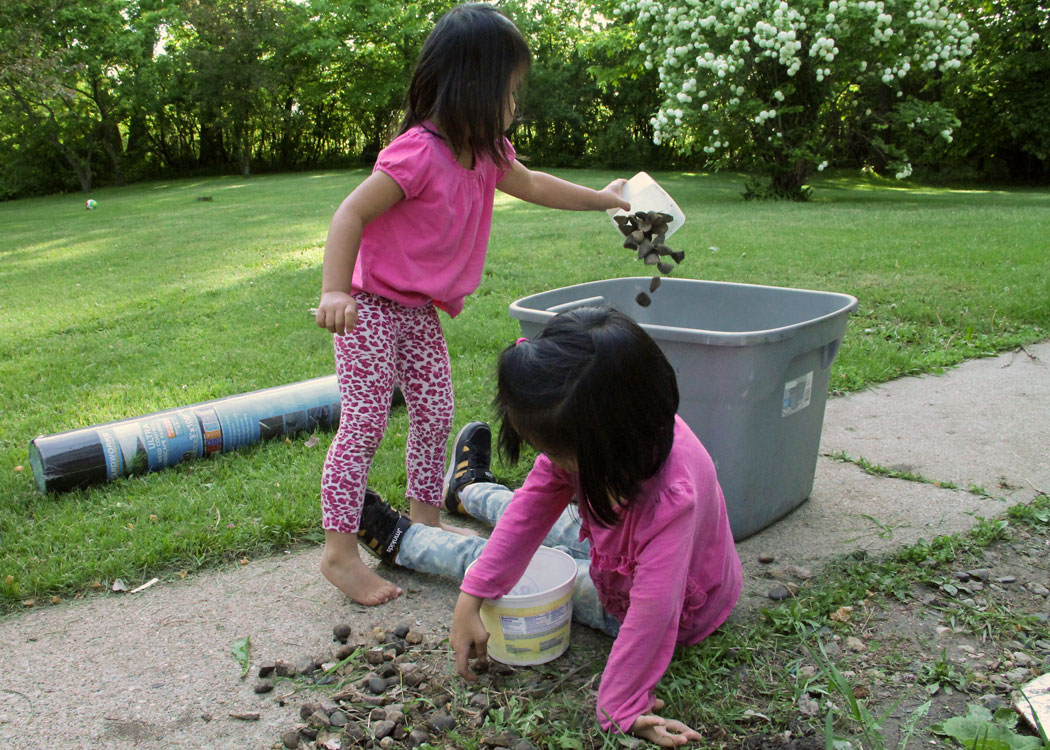
The idea was simple.  Get rid of the weeds, free all of the landscape rocks from their dirt prison, and clean up the area. Before I go any further let me just say that if any of you reading this believe that sounds like fun, you might want to have your friends and family hold an intervention.  It wasn’t fun.at.all.  Part way through the project Craig looked at me and said something along the lines of ‘Why do you keep doing this to yourself?’ – I could only muster up a small sigh and a shrug of my shoulders. What could I say? I’m a glutton for punishment apparently.  As time went on and the rocks seemed to be multiplying, I came up with some creative ways to sort them faster.  There was the ‘rake sifter’ method, the ‘scoop and sort’, and my all time favorite (and fastest) the ‘rock and roll’ – where I essentially kept rolling the rocks down the sidewalk until the bits of dirt and debris fell off and only the rocks remained.  True insanity.  Every once in a while the kids would stop by to make sure their mom hadn’t completely lost her mind. They would pluck a few rocks into the buckets before boring of the tedious task and finding something fun to do.

Kids are fast learners.

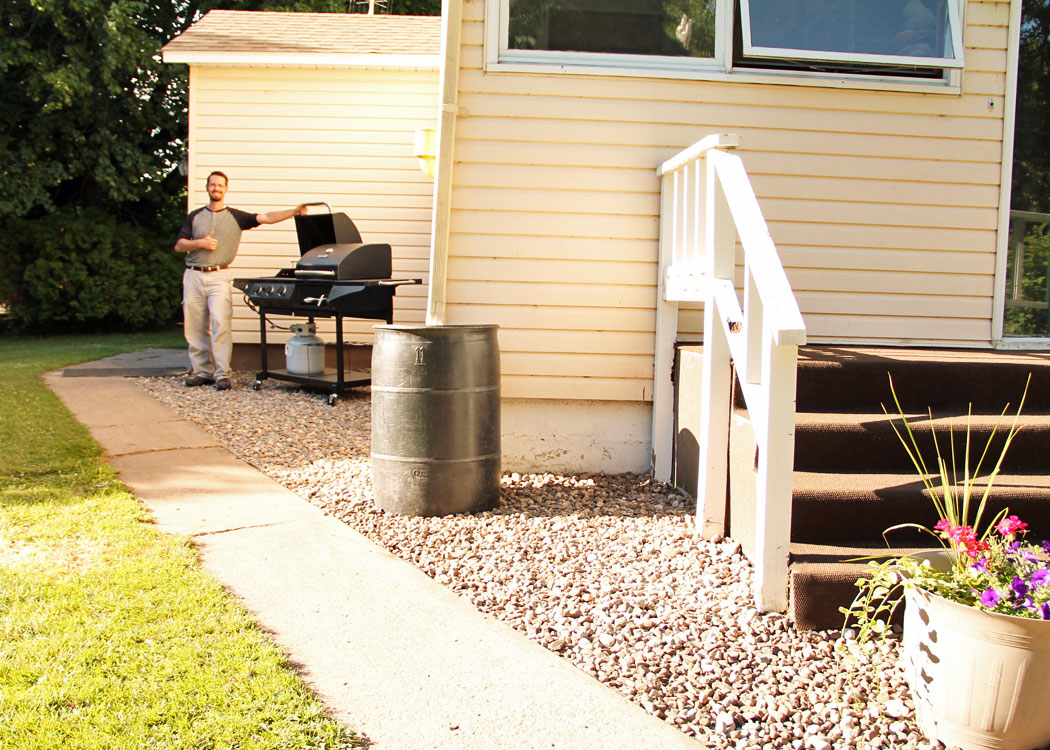
So there you have it:  I sorted and moved around thousands and thousands of rocks.  Now I’m done, and Craig has a place to grill.  If that doesn’t prove my unending love for him, I’m pretty sure nothing will. Please be impressed with Exhibit B: The After


HEROES

They come in many shapes and sizes.  Lately, my hero is a tiny 6 year old girl who has been living in a non-cooperative body her entire life, but has never let that fact dampen her spirit.  A girl who only took her first steps months ago.  A girl who recently left all that she has ever known in a country far away to start a new life in America with her forever family.  A girl who continues to amaze her family and others with her strength and determination. Our girl.

I had the pleasure of sharing {K’s} story on the well known China adoption advocacy website No Hands But Ours.  You can read her story here.  Arthrogryposis is so much more than a scary word.  If we had not seen the child past the medical diagnosis, we would have missed having this hero living in our midst.

WHAT MOM DID

Do you ever feel like life is one big check list?  I’ll admit it, I’m a check list girl myself.  Sadly at the end of the day I tend to focus more on what didn’t get crossed off instead of all that was accomplished.  And many times those accomplishments happen when we are just doing life.

I will use my day as an example:

  • I didn’t put away the laundry – but I did wash, dry, fold and sort 20 t-shirts, 10 pairs of shorts, 8 pairs of pants, 6 towels and countless socks and underwear.
  • I didn’t cook any gourmet meals.  In fact, I brought the kids to the local summer meal program for lunch and served PB&J for supper at a ridiculously late hour (after 7pm. Shhh, don’t tell anyone!) – but I did make sure 5 little bellies didn’t rumble.
  • I didn’t get any ‘me’ time – but I was there for {K} as she bravely navigated a new piece of playground equipment and happily declared one of her newest English phrases, “I did it!”.
  • I didn’t tackle any yard work (dandelions and various weeds reign supreme around here these days!) – but I did finish up the outdoor project I have been working on for weeks, with my little helpers by my side.  We all rejoiced in the reward of a job well done after hard work and perseverance.
  • I didn’t get the house clean like I planned – but I did make sure the kid’s feet and faces were washed up before I tucked them into bed.
  • I didn’t get a chance to do my Bible study/devotion – but I was able to discover the beauty around me in God’s creation.

At times it is helpful to step away from the check lists and realize that our worth is so much greater than words on a piece of paper or what we can accomplish in 24 hours.  I for one am going to bed tonight with a full heart and a smile on my face.


25 HOME DESIGN BOOKS TO READ FOR INSPIRATION


Designing a home can be a pretty overwhelming thought, especially considering there is no right or wrong way to do it.  How do you narrow down the decisions when there seem to be endless possibilities of size, style and function?

Sometimes, you know what you like when you see it.  You realize which direction to take when you see that someone else has been successful following a similar path.  These days, technology gives us inspiration at our fingertips through venues such as Houzz, Pinterest and Instagram.  You can search the internet for ideas and tips, but there is just something so comforting and personal about using a book for inspiration.

I have amassed a large collection of Home & Garden + DIY books through my years working in the architecture field, and they are literally referenced ALL.THE.TIME both for personal enjoyment and professional development. The amazing thing is that even with all of this use, each time I flip through their pages, I seem to notice something new. A solution to a problem we have been having at our own home, a simple plan change that might benefit a client, or an inspiring use of materials.

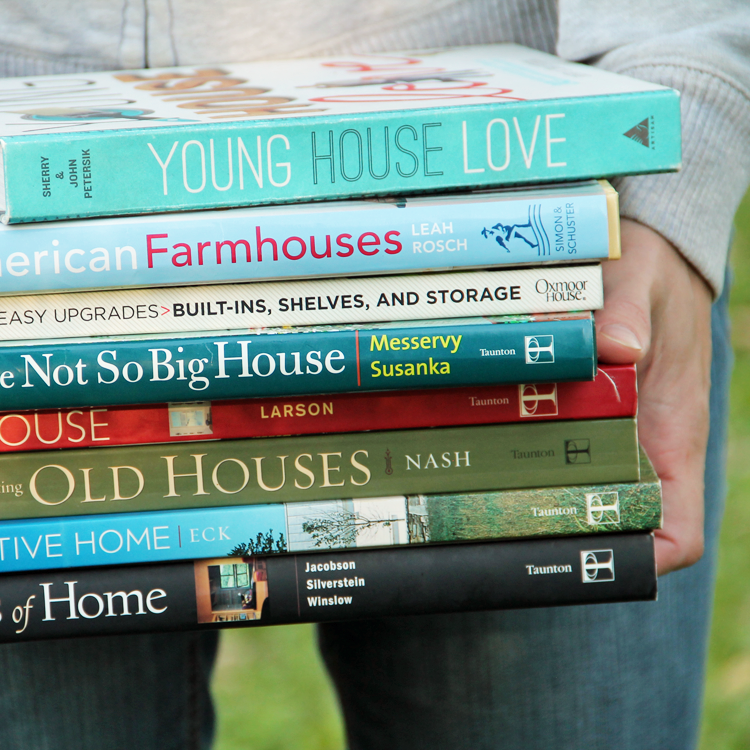
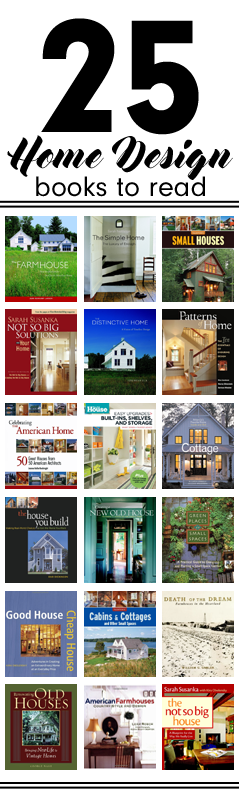
From my personal library, I have curated a collection of 25 Home Design books that are MUST READS – the cream of the crop.  The words I use to describe each book in the reviews below are my own thoughts and insights.  You can click on the images to learn more about each book, read reviews from other customers, or purchase for yourself.

Happy Reading!


This post contains affiliate links to products for your convenience.  If you purchase via my links, I may receive a small commission at no additional cost to you.  Thanks for supporting Arrow Hill Cottage!


1. THE NOT SO BIG HOUSE: A BLUEPRINT FOR THE WAY WE REALLY LIVE by Sarah Susanka

I am starting out the list with one of the classics. Originally released in 1998, this ground-breaker was re-written in 2009 to include 16 additional pages of high class information.

The author, Sarah Susanka, is a renowned architect and leader in the small house movement, giving her readers a simple message – that quality should come before quantity.  The book gives homeowners plenty to think about in regards to what is really necessary in a home.

The Not So Big House encourages house design that means more than the total square footage.

  
2. CREATING THE NOT SO BIG HOUSE: INSIGHT AND IDEAS FOR THE NEW AMERICAN HOME by Sarah Susanka

The Not So Big House started a movement to change they way people think about the American home, and this book calls those ideas to action by presenting key design strategies.

As in book one, Sarah gives plenty of examples of how these strategies can help make a smaller home live large.

With plenty of inspiring images to describe the topics presented, this book is easy to follow, and the techniques presented are useful whether you are building new or remodeling your existing home.

 
3. NOT SO BIG SOLUTIONS FOR YOUR HOME by Sarah Susanka

Whereas the first two books in the Not So Big series focused on overall concepts, Not So Big Solutions for Your Home tunes into the small details that can improve how people use their homes.  Simple tips are offered to homeowners looking to make their spaces more functional. From positioning a tv in a family room, to designating a mail sorting station, there are ideas to solve all sorts of the common problems that homeowners face.

The concepts in this book are complemented almost entirely with hand drawn sketches, which adds a personal and fun touch.


4. INSIDE THE NOT SO BIG HOUSE: THE DETAILS THAT BRING A HOME TO LIFE by Sarah Susanka and Marc Vassallo

This book is not as much of a ‘How To’ as the others books in the series are. I would describe it more as a collection of homes, each designed with the Not So Big principles, that are presented as case studies of a well designed home.

The pretty pictures serve as evidence that by following the ideas in the previous books you can attain a personalized home to fit your family’s lifestyle.

Home styles from the modest ranch to a Tuscan villa are represented. In that respect, I feel that this book has a little inspiration for everyone’s style.


5. OUTSIDE THE NOT SO BIG HOUSE: CREATING THE LANDSCAPE OF HOME by Julie Moir Messervy & Sarah Susanka
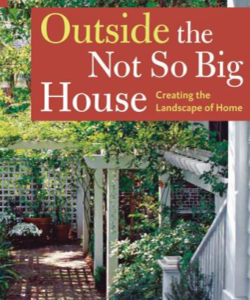
Extend your home beyond its four walls by using the concepts of landscape design presented in this book. Learn how to embrace the site that your home occupies by not only appreciating the elements that nature provides, but finding a link to connect the home’s interior to it’s surroundings.

Concepts discussed include discovering privacy in your yard, using variety in plantings, and living lightly on the land. The twenty homes/landscapes presented in this book each utilize these concepts in an interesting and thoughtful way.


6. NOT SO BIG REMODELING: TAILORING YOUR HOME FOR THE WAY YOU REALLY LIVE by Sarah Susanka and Marc Vassallo

Through the pages, authors Sarah Susanka and Marc Vassallo provide simple but clever ideas that can have a big impact on how the space in your home is used. Many of their ideas work within the existing footprint of the home, though they also show examples that involve adding on just a little.  No major home overhauls are tackled.

Not So Big Remodeling does a wonderful job of showcasing basic remodeling solutions for virtually any room your home may have – from bathrooms to home offices, even basements!


7. SMALL HOUSES by the Editors of Fine Homebuilding

One of my favorite things about this book is the way it is laid out.  It is broken into sections based on house size, from those under 1,200 square feet all the way up to homes as large as 2,250 square feet.  This varied range of scale proves that ‘small’ is a relative term.

If building new, Small Houses provides a list of ten techniques to keep the size down, including the use of multipurpose space and using varying scale to elongate the feeling of expanse.  The book also provides examples of homes that were improved with small additions over time.


8. COTTAGE: AMERICA’S FAVORITE HOME INSIDE & OUT by M. Caren Connolly & Louis Wasserman
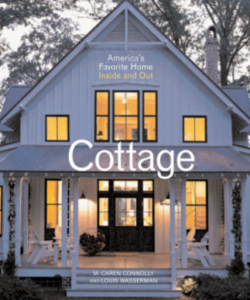
You can probably guess from the name of our future property (and this website) Arrow Hill Cottage, that I have a fondness for this particular home style.  What appeals to me about cottages is their personally scaled size, cozy intimate interiors and deep connection to their surroundings.

The authors of this book feature 24 unique cottages through beautiful photography and amazing watercolor drawings – including mini floor plans of each. The text is also well thought out and informative – providing insight into site planning, the use of vernacular building materials, and current and future trends in cottage design.


9. THE FARMHOUSE: NEW INSPIRATION FOR THE CLASSIC AMERICAN HOME by Jean Renkamp Larson
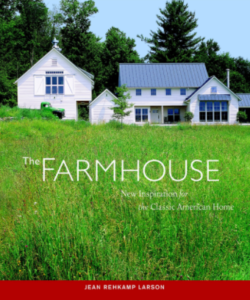
There is just something about a farmhouse.  It is an iconic symbol of a more simple era. Farmhouses aren’t pretentious or showy, yet they are timeless and well loved by many.

This book presents a collection of newly built and remodeled homes, each that use the classic farmhouse as a model for design.  The examples of homes throughout its pages prove that the hearty form and basic shapes of the style is highly adaptable for modern day living. Jean Renkamp Larson did a wonderful job showcasing the simplistic beauty of today’s interpretation of this classic home style.


10. PATTERNS OF HOME: THE TEN ESSENTIALS OF ENDURING DESIGN by Max Jacobson, Murray Silverstein & Barbara Winslow
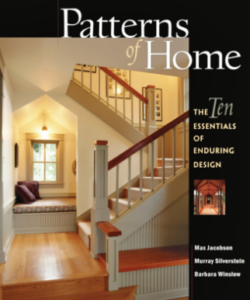
The three architects who authored this book present what they consider to be the ten essential elements that make a home timeless.

The book is clearly written, with wonderful photographs of houses from all over the country used to showcase the patterns – including the composition of building materials, the way light is captured, and the flow between rooms. The concepts laid out in this book, if executed properly, can really make a difference between a purely functional home and one that inspires it’s inhabitants.


11. DEATH OF THE DREAM: FARMHOUSES IN THE HEARTLAND by William G. Gabler

This book is unlike any other on this list, in that it is more of a history lesson than a tutorial of design.  It is also regional specific, focusing the attention on farmhouses built in the Minnesota prairie.

The author is an amazing story teller and photographer and he beautifully illustrates how pioneer farm families, mainly immigrants from Europe, settled on government provided free land with the dream of starting a new life. He explains how these homes were designed in an evolutionary way, by the people who inhabited them, based primarily on the immediate environmental conditions that presented.


12. THE SIMPLE HOME: THE LUXURY OF ENOUGH by Sarah Nettleton
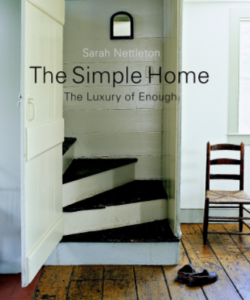
The Simple Home encourages you to think about the sounds, feelings, and movement that allow you connect to life itself – thinking less about what you want in a home and more about who you are and what you need to be fulfilled – then translating them into elements of your home.

The author of this book contends that less is more, and that by eliminating non-essentials, you can design a simple home that will help you and your family appreciate the simple pleasures of living. The book is laid out with six main concepts to keep in mind.  Simple is: Enough, Flexible, Thrifty, Timeless, Sustainable, and Resolved Complexity.


13. THE HOUSE YOU BUILD: MAKING REAL WORLD CHOICES TO GET THE HOME YOU WANT by Duo Dickinson
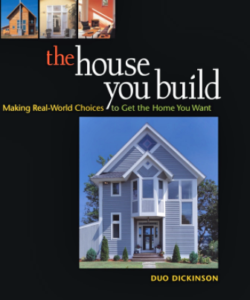
The house is the largest purchase most Americans will ever make.  Why then, the author questions, aren’t more people living in the home of their dreams? The budget seems to be a stumbling block for many, and Duo Dickinson sets out in this book to encourage the readers that it doesn’t have to be.

20 homes are presented and the cost to build each is listed, which I believe was a wonderful decision on the author’s part.  By adding this little bit of information, left out of nearly every other home design book I have read, Mr. Dickinson immediately brings the homes to a relate-able level to his readers. They are real world examples, homes built by people of all walks of life.


14. GREEN PLACES IN SMALL SPACES: A PRACTICAL GUIDE TO DESIGNING & PLANTING A SMALL SPACE GARDEN by Kerwin Fischer
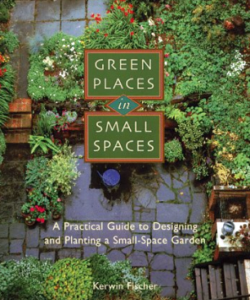
This book does a wonderful job explaining gardening in simple layman terms so that even people like me, who don’t posses a green thumb, can feel confident trying their hand at growing their own plants and flowers.

Kerwin Fischer, the author, starts at the basics of how to select a spot to make ‘green’, by evaluating aspects such as light levels, protection from wind, and access to water.

Further in the book, he thoroughly describes which flowers bloom during which seasons, and also explains how to prep flower beds or pots for their dormant seasons.


15. YOUNG HOUSE LOVE: 243 WAYS TO PAINT, CRAFT, UPDATE AND SHOW YOUR HOME SOME LOVE by Sherry & John Petersik

I have been following the Young House Love blog for years, so when they released their first book – with the same title – I was super pumped! The book does not disappoint and is written in the same personable voice that John and Sherry Petersik are known for.  And just like the blog, the book is a treasure trove of creative ideas.  From learning how to style a bed, to creating coasters – there is a project for every skill level, and by tackling them, you are sure to add some whimsy and personality to your home.

I consider this book to be more of a home DECOR book, but included it in this list because sometimes a simple spruce up is all the inspiration you need.


16. CREATING A NEW OLD HOUSE: YESTERDAYS CHARACTER FOR TODAY’S HOME by Russell Versaci
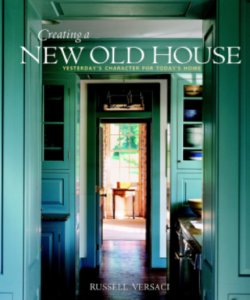
Perhaps you love the charm of historic houses, but don’t feel like signing up for all of the upkeep that they require.  This book shows that it is possible to craft a new home with the familiar forms and harmonious proportions of these traditional structures, while providing the amenities necessary for modern day living.

Mr. Versaci lays out what he calls the Eight Pillars of Traditional Design, which are techniques that should be used to create new houses with traditional qualities. They include using authentic details, crafting with natural materials, and respecting the character of place by complementing the lay of the land.


17. THE DISTINCTIVE HOME: A VISION OF TIMELESS DESIGN by Jeremiah Eck
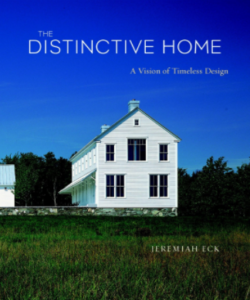
The author of this book has a theory that for a home to be distinctive, or timeless, it needs to have a balance of site, floorplan, and exterior and interior detailing.  He provides multiple house examples, and lays out how each of them excels in each of these four categories.

The book is well organized and easy to understand and also includes small reference floor plans for many of the homes, which is personally one of my favorite things about home design books! The Distinctive Home will probably be most useful for people who are looking to design a brand new home, and not those that are remodeling a historic one.


18. CELEBRATING THE AMERICAN HOME: 50 GREAT HOUSES FROM 50 AMERICAN ARCHITECTS by Joanne Kellar Bouknight

The title of this book really describes what it is all about! All 50 homes were selected by a panel of distinguished residential architects, who chose them based on how well they illustrate great residential design – including five important qualities: a great response to the site they occupy, a comfortable scale both inside and out, livability that accommodates both everyday life and special occasions, a deep respect for craft, and a distinctiveness that transcends the ordinary.

A wide variety of home styles are represented in the selection, from a humble cabin by the lake to a modern townhouse in the heart of the city.


19. GOOD HOUSE CHEAP HOUSE: ADVENTURES IN CREATING AN EXTRAORDINARY HOME AT AN EVERYDAY PRICE by Kira Obolensky
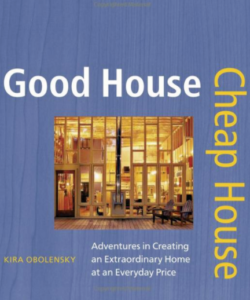
Want to design and build your own home, but fear that finances won’t allow it? This book seeks to prove that a good house does not need to cost a fortune.

The author presents three main aspects that can help you save money when designing and building your own home.

There are 27 homes featured in the book, and each of them brings something unique to the table.  A house on stilts.  An owner who poured concrete counter tops for his kitchen. A structure inspired by music.  Each home perfect for its owners.


20. FLEA MARKET STYLE: DECORATING.DISPLAYING.COLLECTING by Better Homes and Gardens
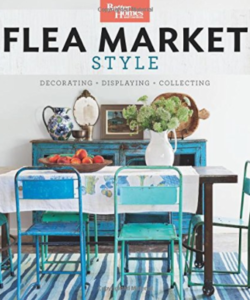
Another home decorating book to make my list, Flea Market Style has such amazing images that portray a variety of house interiors – including bohemian, cottage and country styles – proof that style is personal.

Decorating with found treasures, whether collected by thrifting, rummaging or antique shopping, is a favorite of homeowners.  This book shares practical tips and advice for shopping and lays out concepts on how to display your finds without giving your house a cluttered look.

The last section of the book reveals ideas on how to re-purpose your finds into unique home decor items.


21. CABINS & COTTAGES AND OTHER SMALL SPACES by the Editors of Fine Homebuilding
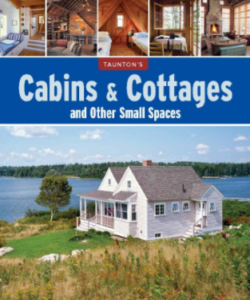
I’m just going to go ahead and say it.  I love this book!

As a big fan of houses that are scaled to fit its occupants, I was impressed to see such a wide variety of examples presented – even a house boat example is included!  The photos and sketches are beautiful to look at. Truly inspiring.

Readers will also appreciate that most designs list the total square footage and the general cost per square foot. This information is helpful in understanding what a new home might cost to build in the real world.  These examples seem attainable, without being bland and boring.


22. AMERICAN FARMHOUSES: COUNTRY STYLE & DESIGN by Leah Rosch
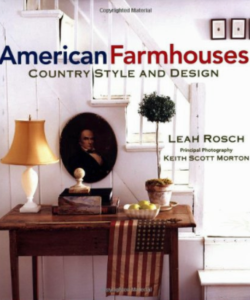
This book explores the individualism and heritage of the charming farmhouse look, which is still one of the most popular decorating styles in America today.

Leah Rosch chose to use photographs by Keith Scott Morton to illustrate the beauty and charm of the homes presented in the book, rather than using much written word. The last pages include a detailed list of manufacturers, craftsmen, and architectural antiques dealers nationwide – which, although potentially somewhat dated, can serve as an amazing resource to those looking to bring the classic look and detailing of these country homes to their interiors.


23. EASY UPGRADES: BUILT-INS, SHELVES, AND STORAGE by This Old House

Get the most out of your home by making each square inch useful.  One of the best ways to do this is through the use of  built-ins. This book offers built-in solutions for every room and many situations, including window seats and under the stair storage.

This book is a great idea generator and in true This Old House fashion, it contains colorful and clear inspiration images and encourages its readers to tackle a few of the projects on their own – with detailed instructions and steps.


24. A FIELD GUIDE TO AMERICAN HOUSES: THE DEFINITIVE GUIDE TO IDENTIFYING AND UNDERSTANDING AMERICA’S DOMESTIC ARCHITECTURE by Virginia Savage McAlester
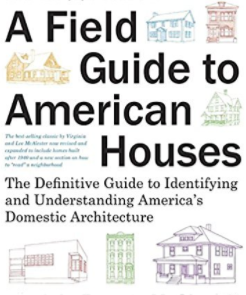
I would definitely recommend that you pick up this book. It is filled with incredible vignette sketches that clearly describe all of the hallmarks of each style of American domestic architecture – from the early Native American dwellings, to historic folk houses, all the way to the modern day home.

It is truly an essential guide to understanding the beauty and diversity of houses built for American families.


25. RENOVATING OLD HOUSES: BRINGING NEW LIFE TO VINTAGE HOMES by George Nash
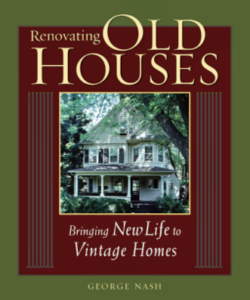
This book is a must have if you own a historic home. These homes were built to last, but they can surely throw curve balls when it comes to maintaining and renovating them!

The author, who is also a seasoned contractor, obviously loves homes of an older generation and wants to see them cared for properly.  In his writing, he clearly lays out how to do so in a professional way.  He walks through every step, including how to evaluate if a house is a candidate for renovation, and provides tips on adding modern conveniences without stepping on the character of the home.


I hope you feel inspired to pick up a book or two from this list, I promise you won’t regret it! Which are you going to read first?

Do you know someone else who could use this information? Share it with them by clicking on the icons below!



ORCHESTRA DAY ONE

In high school I desperately wanted to learn to play the violin.  My family lived in a small town that offered band classes to students, but not orchestra.  I saved a bit of each paycheck I earned in the hopes that one day I would be able to buy one and teach myself at home; But as time went on and my schedule became more demanding, the dream went by the wayside.  It wasn’t until college when I met an amazing man and shared with him all of the desires of my heart that it resurfaced once again; And in early 2001 this man proposed marriage to me in a creative way, with the use of a violin.  We married and used it as a prop for our wedding photos.  It is a beautiful symbol of love. Whenever I look at it I am reminded that I have a husband who wishes to make all my dreams come true, and I believe that with him by my side I can reach them.

In 2006, upon finding out that we were expecting our first child, we came to the realization that if  I didn’t start learning the instrument soon I may lose my chance for many years.  And so with great anticipation, I began violin lessons at a local music center when I was about 2 months pregnant with {D} and continued with them until a few weeks before his arrival.

We like to joke that because he had a front row seat to each of my lessons and subsequent daily practices, {D} retained some musical knowledge, but we know the truth.  His love for music comes from within his soul – a God given gift.  It’s a beautiful thing.

Today the proverbial torch is being passed from mother to son.  {D} walked into his very first orchestra lesson and took a baby step in learning to play the violin.  We are so incredibly excited to watch his skills develop and I look forward to the day when we can play duets together.

SATURDAY SKETCHBOOK: THE PLANS

I would like to formally introduce you to a new weekly blog feature that I am calling ‘Saturday Sketchbook.  You can look forward to weekly sketches of what is currently on my mind.  It will vary from a new art piece, a quote that has grabbed my attention, and possibly most of all – house design snippets.

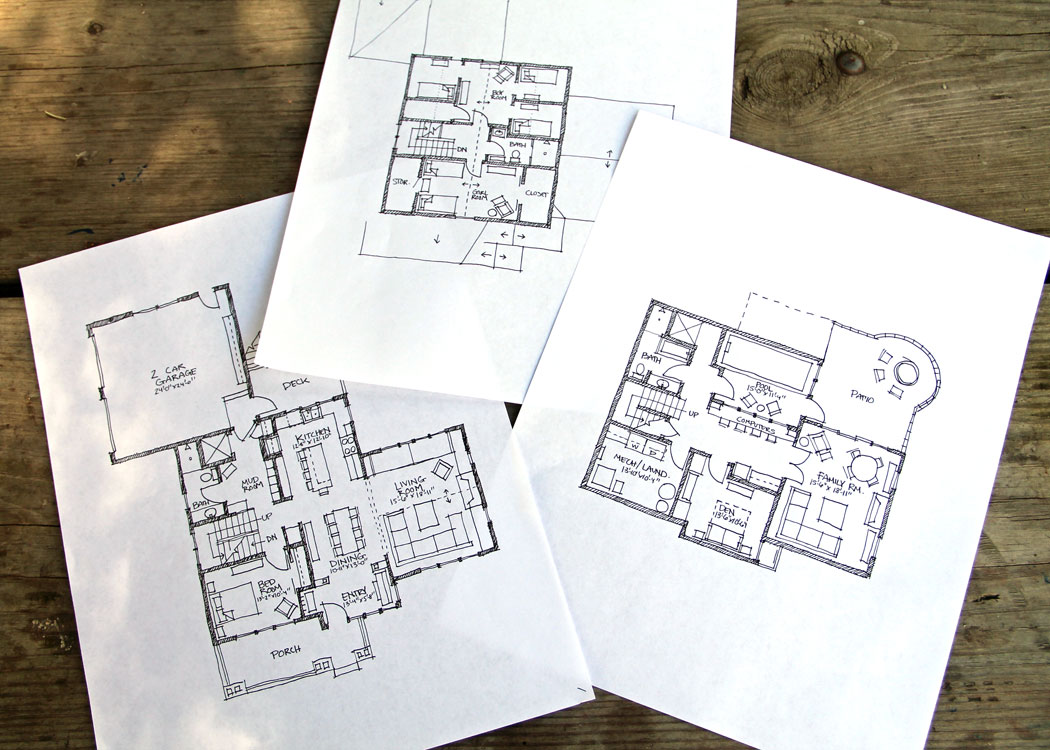
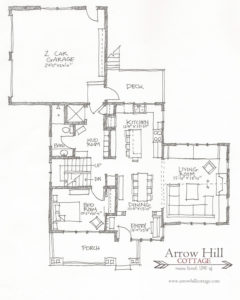
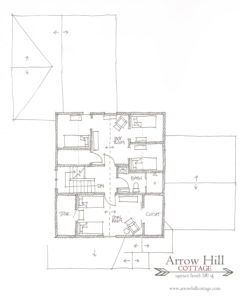
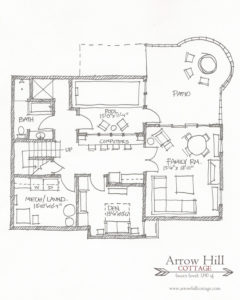
Today my sketchbook is showcasing the floor plans of the cottage.  These plans are literally the investment of years of designing.  In many ways, I believe laying out the plans is one of my most favorite aspects of designing.  I see it as a puzzle of sorts – the pieces eventually are combined in the right way and everything just fits.

If anyone is wondering ‘How can she continue this blog for another 2 years if she already is finished designing the house?’ Let me tell you, this is far from over!  Though the plans are mostly set and the exterior has a basic framework, there are so many more details that need to be worked out!  Built-in/cabinet design, wall colors choices, appliance selection, well…you get the idea!  It is going to be so much fun to see these plain white plans and exterior images come to life!

I will explain more about our plan choices in future posts.  Some of you may be thinking ‘She forgot to add a master bath!’ or ‘What?!  a pool in the basement?’  – I’ll explain, I promise.

And remember, as details are added, I will be updating the galleries on the Cottage Design page – be sure to be checking there often!