HOW TO DECIDE WHAT SIZE HOUSE YOU SHOULD BUILD OR BUY

It’s no secret that houses come in all shapes and sizes. From mansions to tiny houses, and everything in between – there is a house that’s perfect for everyone. You may be wondering WHY there is such a discrepancy in size. Are all rooms in a mansion even used? How can people who live in tiny houses manage with such little square footage?

Generally speaking, the answer boils down to what the owners of each home feel they need + want in their property. Whereas the owners of the mansion may feel justified to include a large home gym, 15 bedrooms, and an Olympic style swimming pool in their floor plan, the tiny house owners may decide that they prefer to live with only the basics to be comfortable. The size of your home is truly a matter of preference.

Whether building a new home or buying, it is important to decide early on in the process what your needs + wants are in a home. And those decisions are made by conducting a home needs analysis. In this article I will explain how to conduct this analysis, which will help you determine not only what size of home you should buy or build, but also the quality and function you wish your home to provide.


Before we get started on the steps, a couple of notes:

Keep in mind that you are creating a ‘best case scenario’ list. It should be compiled without too much thought about the costs involved, at least for now. Use common sense though, this isn’t a fairy tale! You should also be thoughtful about knowing what is a true need, and which items are wants. This list will be a guide for you when house hunting or drawing up the plans for your new home, and you need to be willing to let go of some of the ‘wants’ should money or selection of suitable properties become an issue. It is very possible that you may not even be able to get everything in the ‘need’ category.
The goal here is to be mindful of how your family functions and translating that information into spatial needs.


STEP 1: WRITE A LIST OF THE PEOPLE WHO WILL BE USING THE HOME

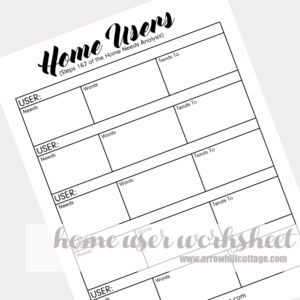
Using the template provided below, make a list of each person or group of people who will be using the home. Think primarily about those family members who live in the house full time. Also consider family members who are part time residents, whether that is half of the year or for a week or two at a time.

In addition to family members, also include extended family that visits for holidays, frequent guests, co-workers (if you have a home business), and even friends if you do a fair bit of entertaining. It’s okay if you group the larger categories of people, such as friends, instead of listing them individually.

STEP 2: FILL THE PAGES WITH NEEDS + WANTS OF EACH PERSON/GROUP

Go through the list one by one. Under each ‘user’ title, you will see three categories: Needs, Wants, and Tends To.  Fill in these sections with information about each user, and be sure to add at least a couple of items in each column. Think thoughtfully and thoroughly. Ask each person that will be living in the home full time to provide input.

For example:

CHILD #1 (NAME)

NEEDS: quiet place to sleep, bathtub in the bathroom.

WANTS: separate playroom, own bedroom, close proximity to mom & dad’s bedroom.

TENDS TO: wake up early, play loudly, get messy, love the outdoors.

For people/ groups who are in the home only part time, some of the wants may be dictated by the homeowners preferences.

GRANDPA & GRANDMA

NEEDS: place to sleep when they visit that is not accessed by stairs, clearance for wheelchair movement.

WANTS: private guest bedroom with attached bathroom for easy access.

TENDS TO: have a hard time hearing, be cold, sleep in late, use the bathroom frequently.


STEP 3: MAKE A LIST OF ROOMS

Time to do some brainstorming. List all of the typical rooms and spaces you can imagine that at least ONE of the previously listed people/groups would use.

To help you complete this step, I have compiled a chart of the most common rooms in the American home and the average size/ square footage of each. This chart is available for free in the resource library.

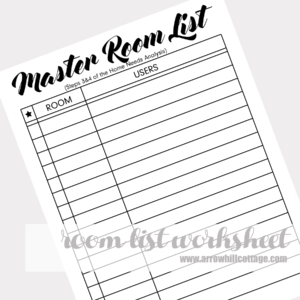
Next to each room name, write down which people/group of people from the list of home users would utilize each space. Once you have completed this exercise, read back through the list and place a star next to those who would use the room on a DAILY basis, as shown below.

HOME OFFICE: Bob*, Nancy, Joshua* (co-worker)

STEP 4: DETERMINE THE MOST IMPORTANT ROOMS IN THE HOUSE

Read through the room name list one more time and count the number of stars attributed to each space. Write that number in the left margin next to the room name. The rooms with the most stars are going to be the most important MUST HAVE rooms in your home. I’m willing to guess that at least one of those with the most stars will be the kitchen. The rooms with the fewest stars are much less important. Perhaps two or three of these lesser important rooms/spaces could be combined into a multi-purpose room. (ex: a play room + family room combo)


STEP 5: THINK AGAIN ABOUT THE QUALITIES OF SPACE

To keep things organized, we are going to list these rooms once more – in chronological order. Use the ‘qualities of space’ worksheet linked below. Rooms with the most stars (as determined by the previous step) should be on the top of the list and rooms with the least on the bottom.

Begin thinking about comforts of the spaces themselves. On the line next to each room/space, write any important characteristics you imagine it should posses. You may find it helpful to reference the information gathered in Step 2.

Be thinking about light levels, proximity to other rooms, the noisiness or quietness of the space, and potential connection to the outdoors. Question whether the room should have designated storage, if views from the room are important, if it should be open or cozy, have a high or low ceiling.

You can be as detailed or general in this step as you would like. Remember that although we are not designing a floor plan during the home needs analysis, thinking about these qualities of space can help you determine the amount of emphasis that each room should have, and will serve as a guide when you eventually do begin the planning process or start your home search.

STEP 6: CONVERT ROOMS/SPACES TO SQUARE FOOTAGE NUMBERS

Now it is time to get out the calculator and determine the amount of square footage that should be allocated to each room.  It is important to note that the star count from the previous step will not necessarily dictate room size. Square footage is determined by multiplying the room’s width by it’s length. (ex: 10′-0″ long x 5′-0″ wide = 50 square feet).

Reference the chart from the resource library for average room sizes. Then get out a tape measure and think about these averages. Do they seem too large to you? Too small? If you currently live in a home or apartment, measure your existing rooms and jot down their sizes. Make note if those rooms feel comfortable to be in, cramped, or too expansive.

Once you have determined a room size that seems right for the way you live, write it on the worksheet in the box labeled SF (square footage).

STEP 7: COMBINE FOR THE FINAL NUMBER

This step will give you a basic idea of how large of a home you are looking to build or purchase. Simply add up all of the room square footage numbers that you calculated in step 6. Then add 10% for circulation (stairs, hallways, etc). The circulation square footage may be less or quite a bit more in the actual built house, but 10% is a good rule of thumb average to use when planning.

Example: For a cumulative 1,200 square feet (once the spaces are added) : Multiply 1,200 x .10 = 120.  Add 120 sf to 1,200 sf, for a final TOTAL of 1,320sf.

This final number will give you a general idea to the size that your family would feel comfortable living in. It is not a perfect science – the home you find or design may end up being slightly larger or smaller – but this square footage number gives you a great starting point.

I hope that with this information you will have a better idea of what size house you should build or buy. In future posts we will discuss how these spaces can connect in a thoughtful way, so be sure to keep your completed worksheets for reference!

BUFFALO CHECK HOME DECOR

This bold yet simple pattern is making a major comeback. Buffalo check home decor items can be found in abundance. Read on to learn what makes this pattern special, and why you may want to incorporate it as an accent in your home.


You may have noticed a bold check pattern showing up more and more. It has been featured on social media, as well as on popular TV shows. From upholstered pieces to tile work, it seems like this pattern is showcased just about everywhere! First considered a HOT design trend in mid 2016, it is still going strong a couple of years later.

This trend is Buffalo Check and, although the pattern may seem familiar, it is important to note that this isn’t your grandmas gingham or your uncle’s flannel shirt.


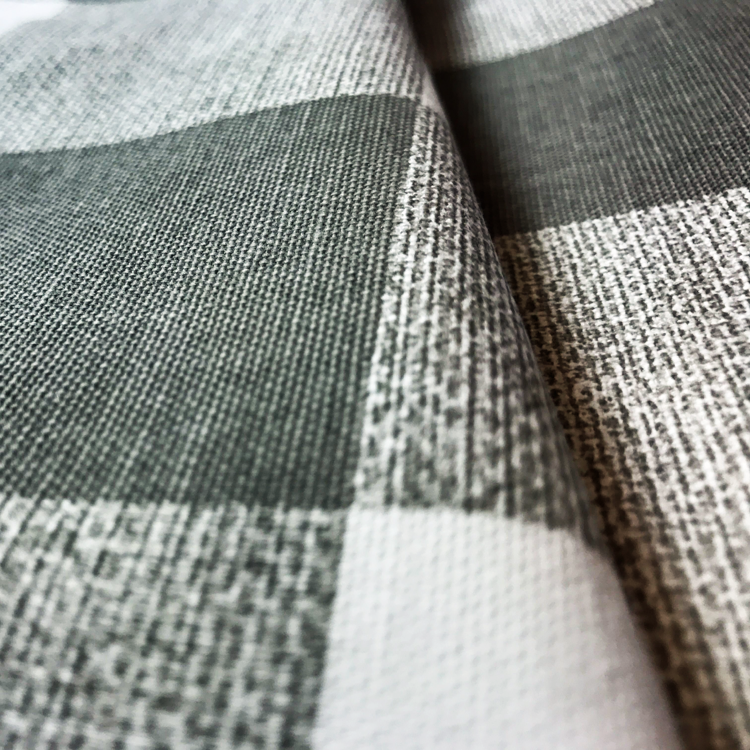
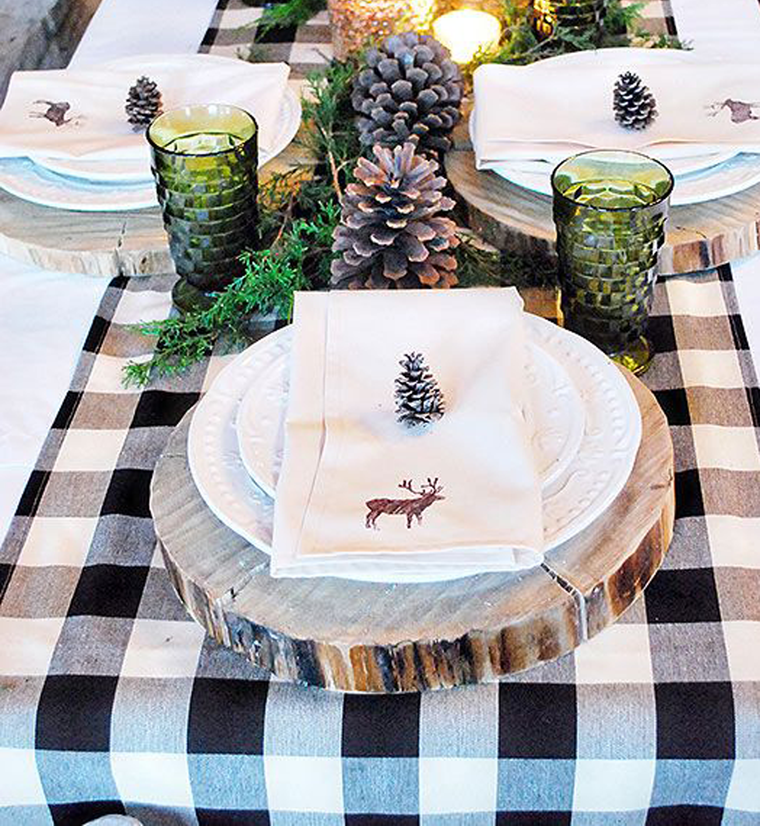
Buffalo check is created when two colors of stripe intersect, which adds a third ‘mixed’ color. The intersections create large squares of even size in all directions. Nowadays, bold + classic black and white is most popular, but Buffalo Check is available in a large variety of colors.

(image source)

If this photo appeals to you, then scroll on for more inspiration on this home design & decor trend!


WHAT IS BUFFALO CHECK

First of all, a bit of history. Or mystery. There is a fair amount of debate on where the original pattern came from. But many sources agree that it’s introduction to America came in the mid 1800’s. A designer at a Woolrich Pennsylvania wool mill, who was inspired by Scottish tartans, is said to have developed the style. He owned a herd of bison, and thought that the ruggedness of the patterned fabric matched the characteristics of the animal. It was an instant hit with workers and outdoors-men alike.


INCORPORATING BUFFALO CHECK IN YOUR HOME

Besides being a fashionable fabric choice, designers and homeowners are finding all sorts of creative applications to use this pattern in a modern way. Check out the fun ways that buffalo check home decor is being used.


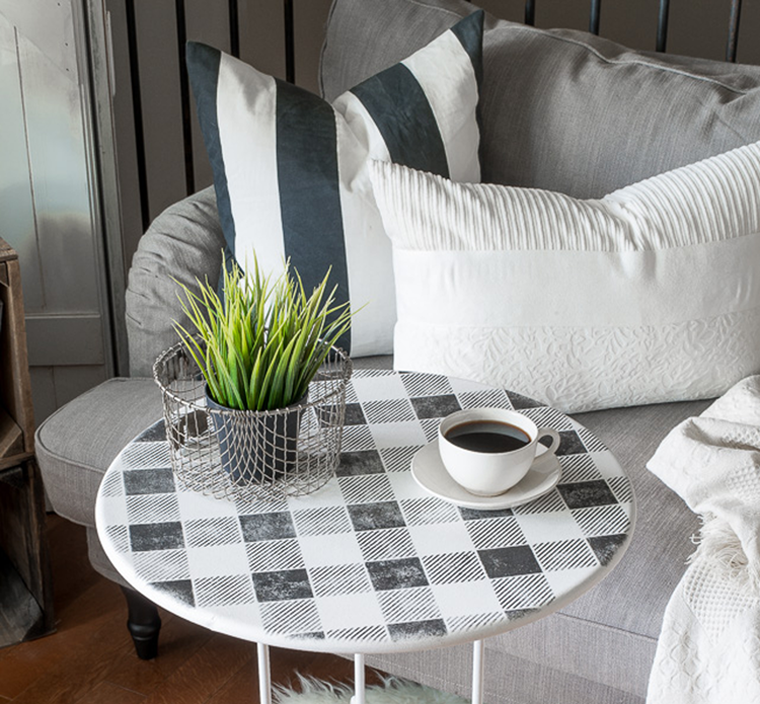
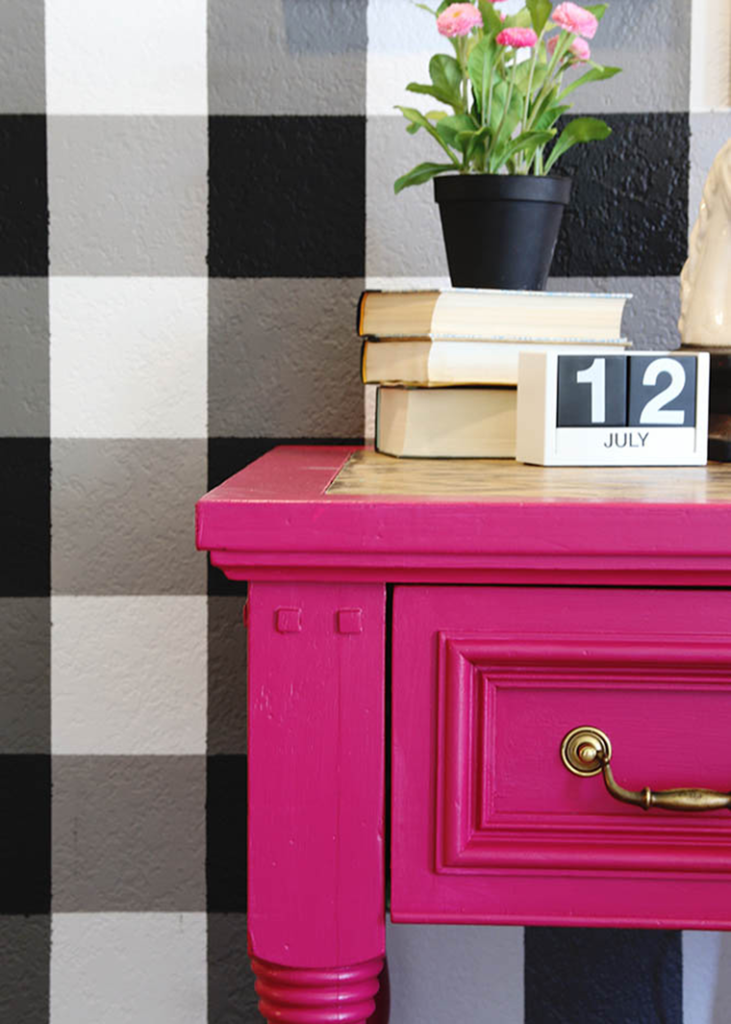
Painted Furniture (image source)


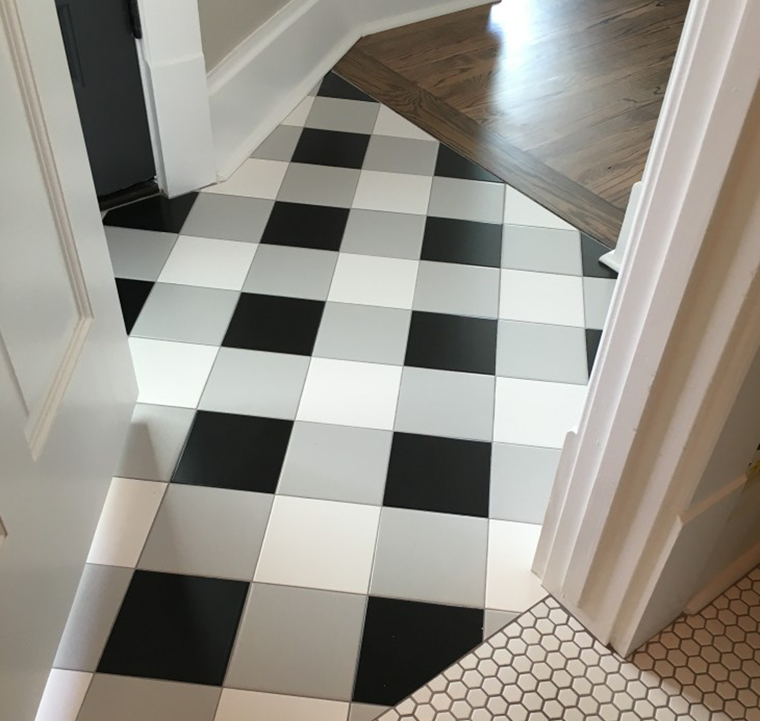
Flooring 
(image source)

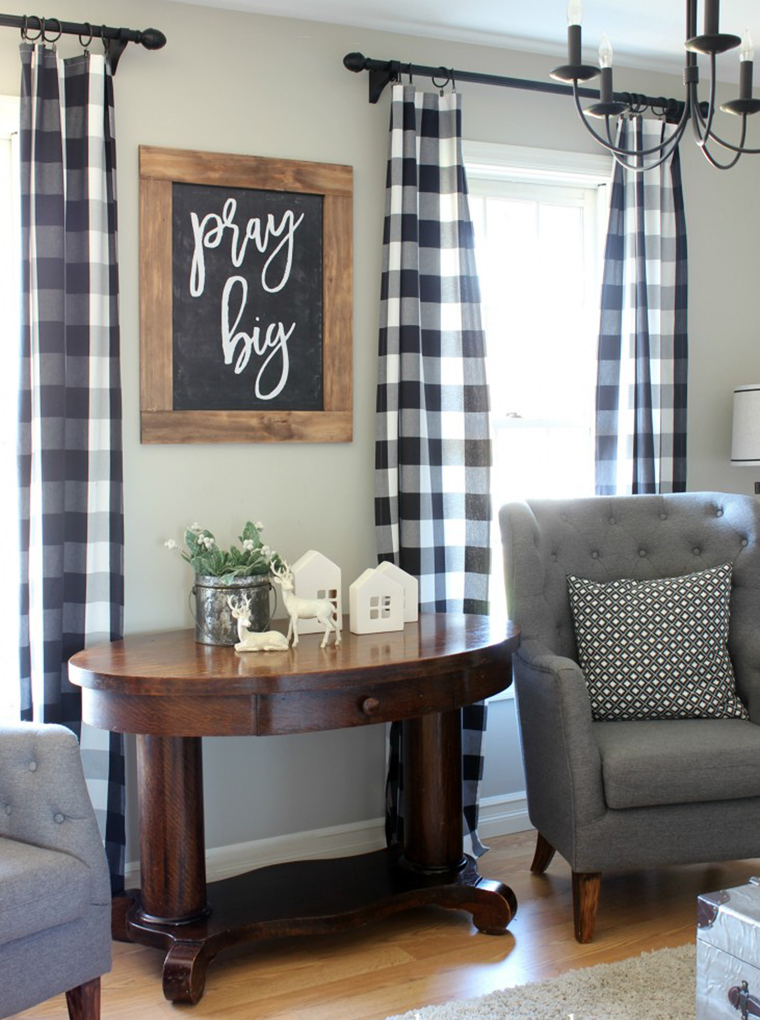
Curtains  (image source)


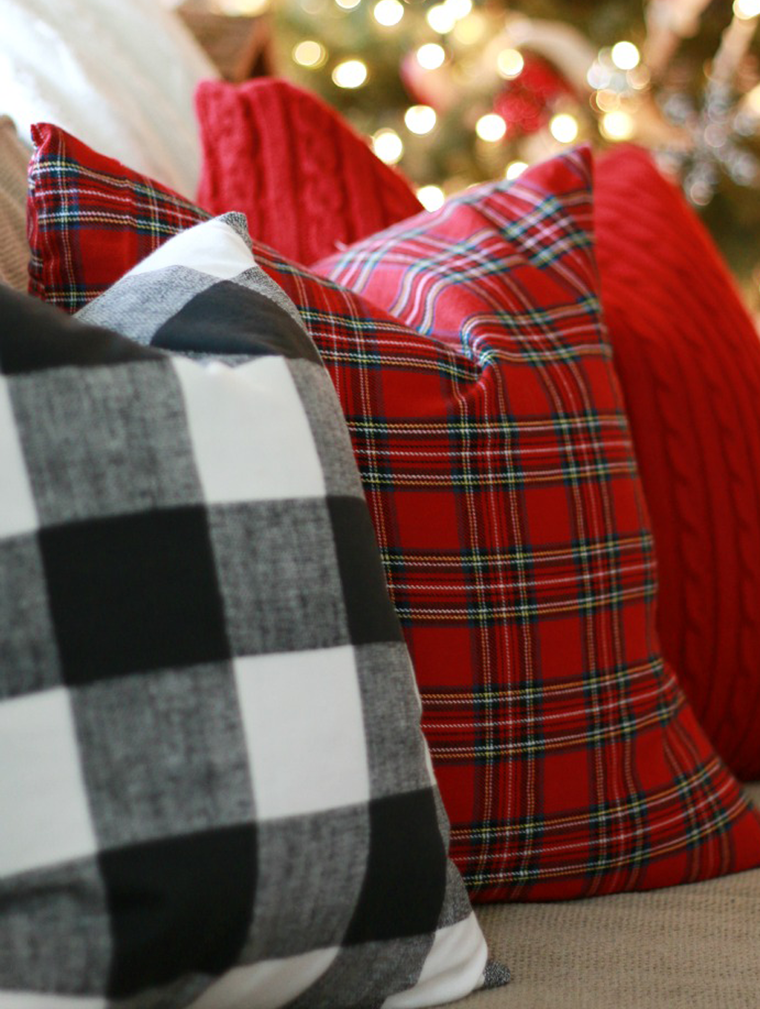
Throw Pillows (image source)


Painted Accent Wall (image source)


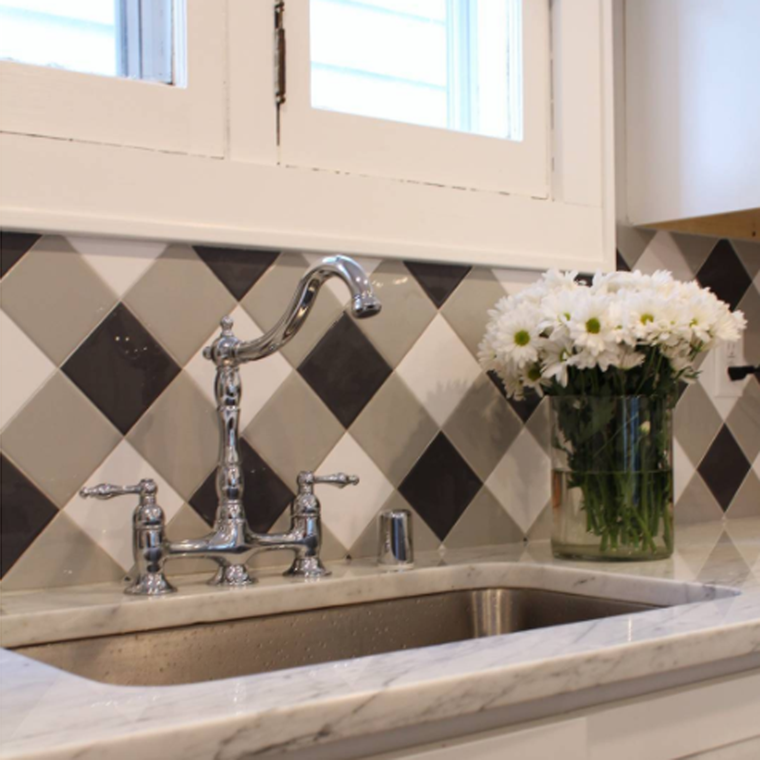
Tile Backsplash (image source)


And more!

Check out even more fun ways to use this versatile pattern HERE. And if you REALLY want to feel inspired, discover the Instagram hashtag #BuffaloCheckThisOut


GET THE LOOK!

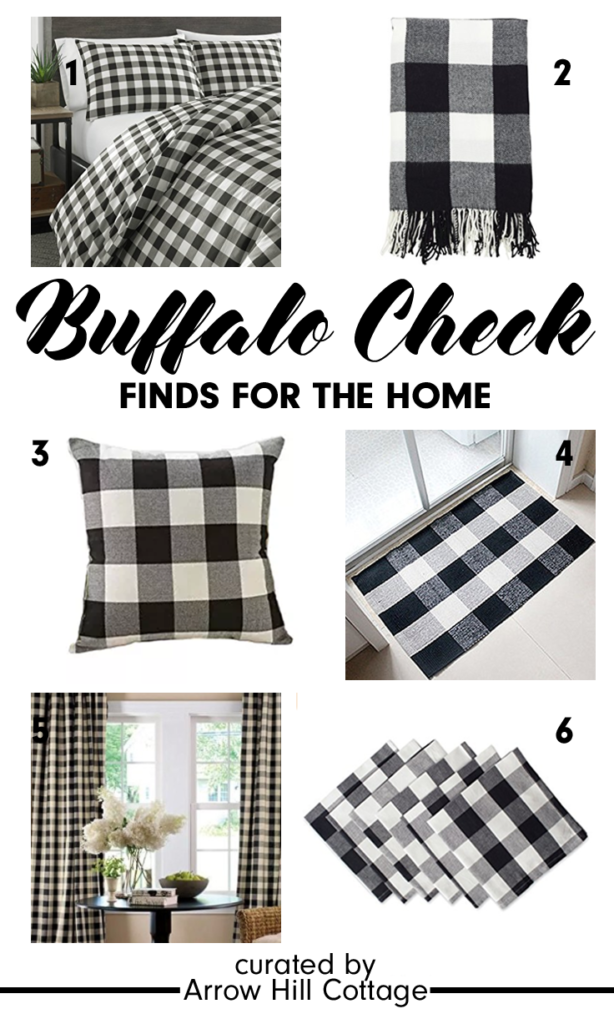
This pattern is also readily available in stores and online, for very reasonable prices! Take a look at this collection of Buffalo Check Home Decor goodies. Certainly there is a piece (or two) that would look great in your home.

1 | 2 | 3 | 4 | 5 | 6 |

MY THOUGHTS ON THIS HOME DESIGN TREND

Personally, I love the simplicity of the black and white pattern. Because of it’s classic lines, the pattern works with a variety of house styles and interior design preferences. However, I do have a word of warning. Don’t go overboard with Buffalo Check Home Decor. Too much of a good thing isn’t a good thing.

For that reason, showcasing a single item in this pattern might be the best bet, allowing it to stand out as a statement piece. For example, paint an accent wall with the pattern, instead of an entire room.

Here’s hoping this home design & decor trend stays around for a long time. With it’s lengthy history and universal love, I’m betting it will!


This post contains affiliate links.  To learn more about my website disclosures, click here.

LOVE BUFFALO CHECK HOME DECOR? PIN THIS!


NATURAL FALL CENTERPIECES

I created these natural fall centerpieces as a fun and simple DIY project. They would be the perfect accent to a Thanksgiving table!

This season in the Midwest has me enjoying the last bits of warm weather. While I’ve been basking in a splendor of colorful falling leaves, I am also preparing for the long indoor hibernation that is to come.

I found myself wanting to bring the outdoors in. Autumn decorations can help to savor the beautiful ambiance of Fall just a bit longer. The great thing about decorating this time of year is that you can easily find inspiration (and supplies) in nature itself! By using items from nature, you can decorate inexpensively as well.

Fall Centerpiece Ideas

FIND A CONTAINER

The first step for a this centerpiece project is finding a container. It can be as small or large as you would like. Be sure to consider where the centerpiece will be placed when searching for the perfect container.

I found a vintage wooden drawer, likely one that was used in a sewing cabinet at some point. I’m not exactly sure when I acquired it, but it has been taking up space in our storage closet for a while now just waiting for it’s moment to shine.

If you plan to use fresh flowers in your centerpiece, as I did, you will need to make sure your container is appropriate to hold water. Obviously, filling a vintage wooden box with water wouldn’t be the best idea. Because of this, I searched for waterproof vessels that could fit inside the box. Luckily I tend to be a glassware hoarder, and had a nice collection of small glass jars to choose from.


CHOOSE ITEMS TO PLACE INSIDE CONTAINER

With your container(s) ready, it is time to go on a hunt for items that can fit inside. Think about layering and how the colors of each element can complement each other.

Search in a variety of places – your backyard, the holiday decor stash, even the garage! Once you find a good selection of items, begin placing them in the container. Rearrange, and add/ take things out until you get an arrangement that is pleasing to your eye.

Take a look at the three Fall centerpieces I came up with!


CENTERPIECE 1: FLORAL + PRAIRIE GRASS

floral fall centerpiece

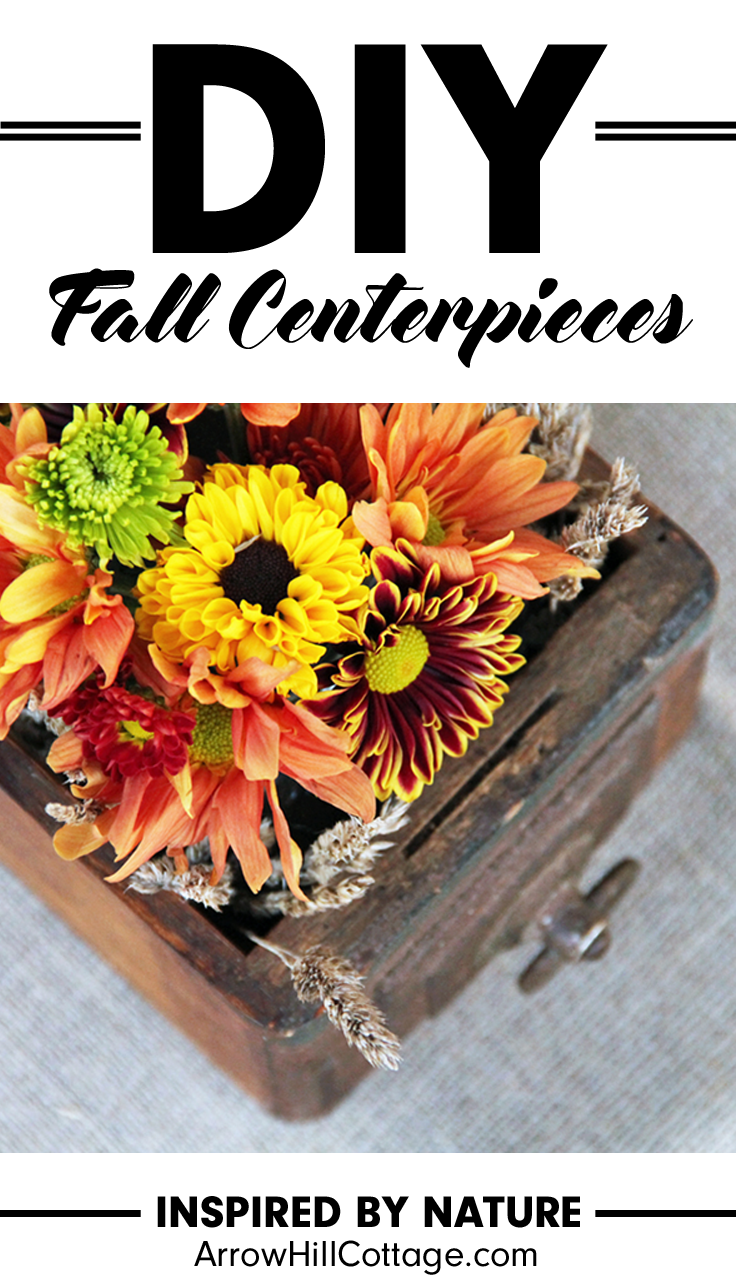
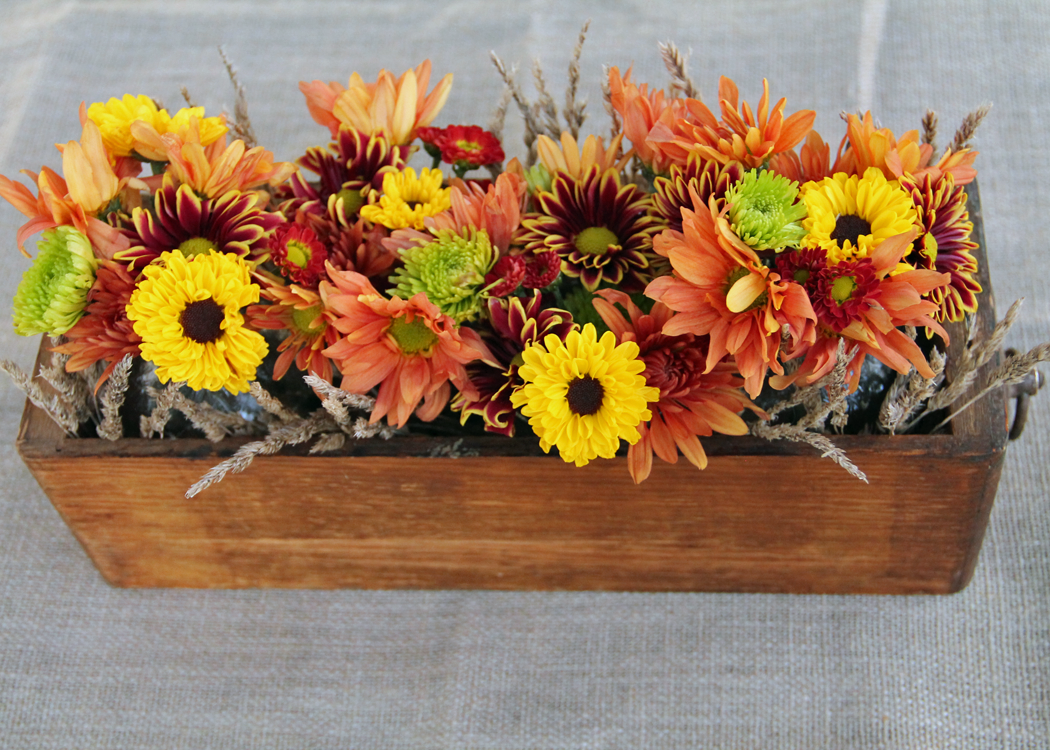
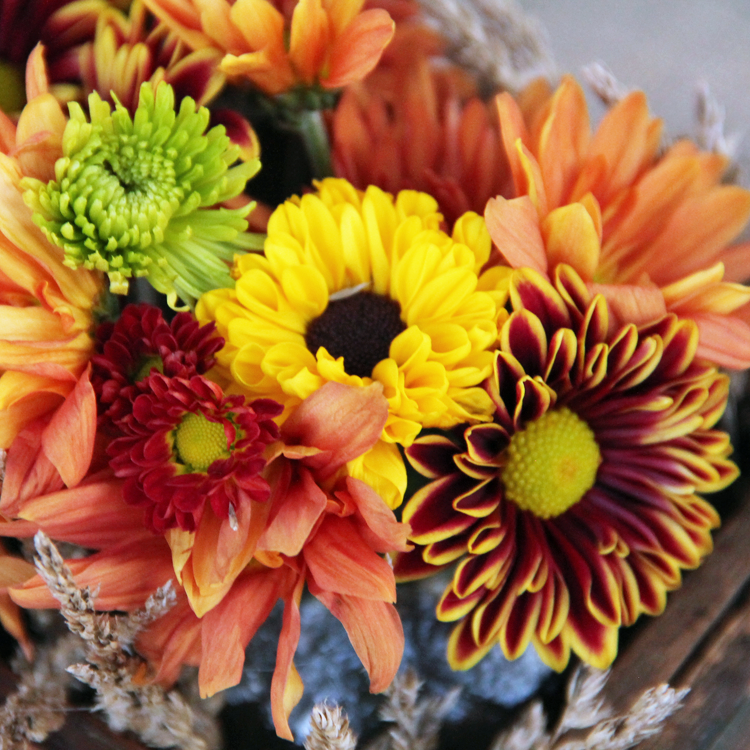
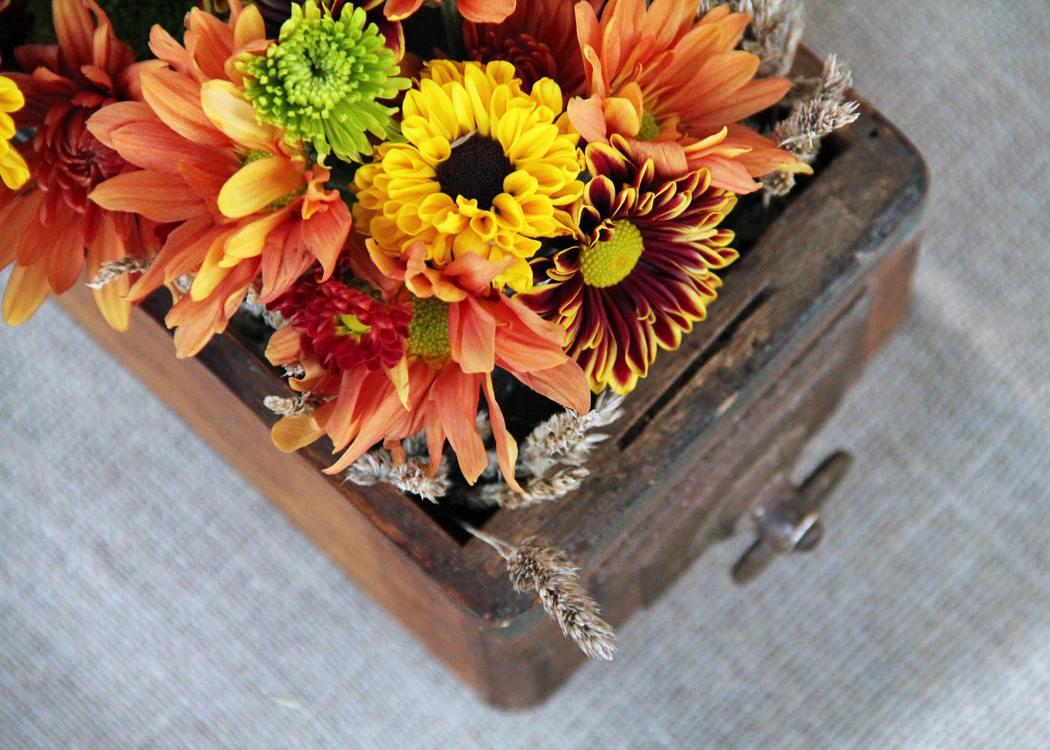
The first centerpiece design features autumn colored fresh flowers. I wish I could say that I grew these beauties in my own backyard, but alas I did not. They were purchased from a local grocery store and cost just a few dollars for the entire bouquet. The rust hues scream ‘Fall’ to me.

fall flower arrangement

The stems were cut down to sizes that would fit well in the short glass jars. I arranged the flowers so that the colors and types were evenly distributed. Prairie grass, which was found growing near our driveway, was then layered into the mix.

I love how the colors of the flowers bring out the golden tone of the wooden box!

fall table decoration


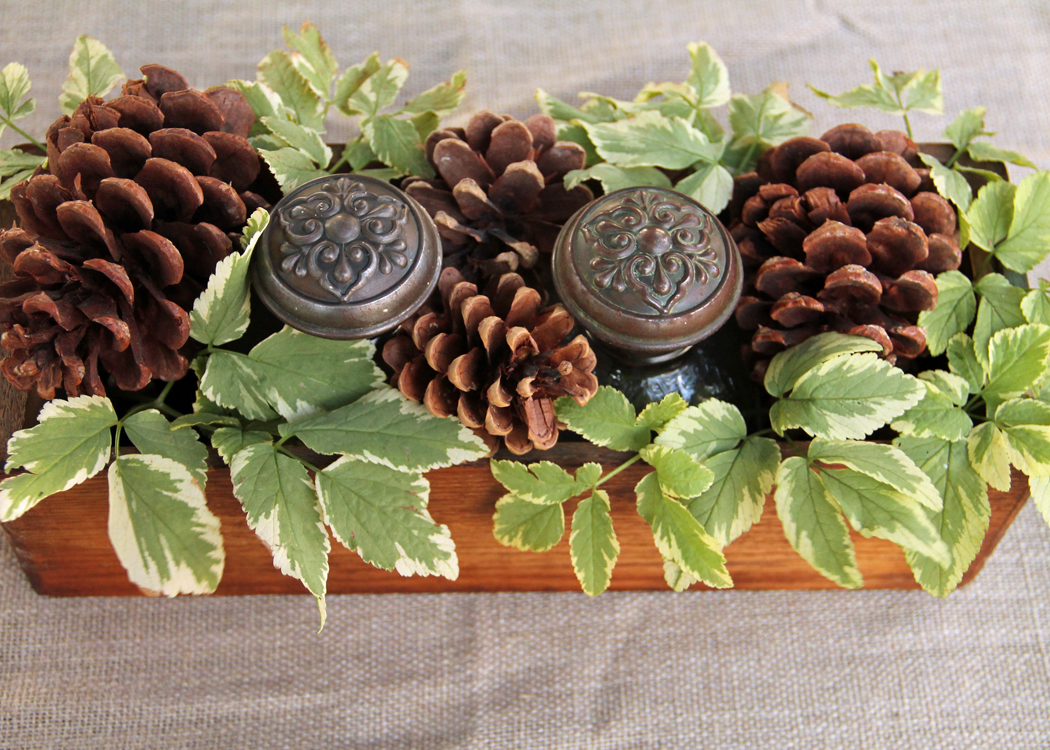
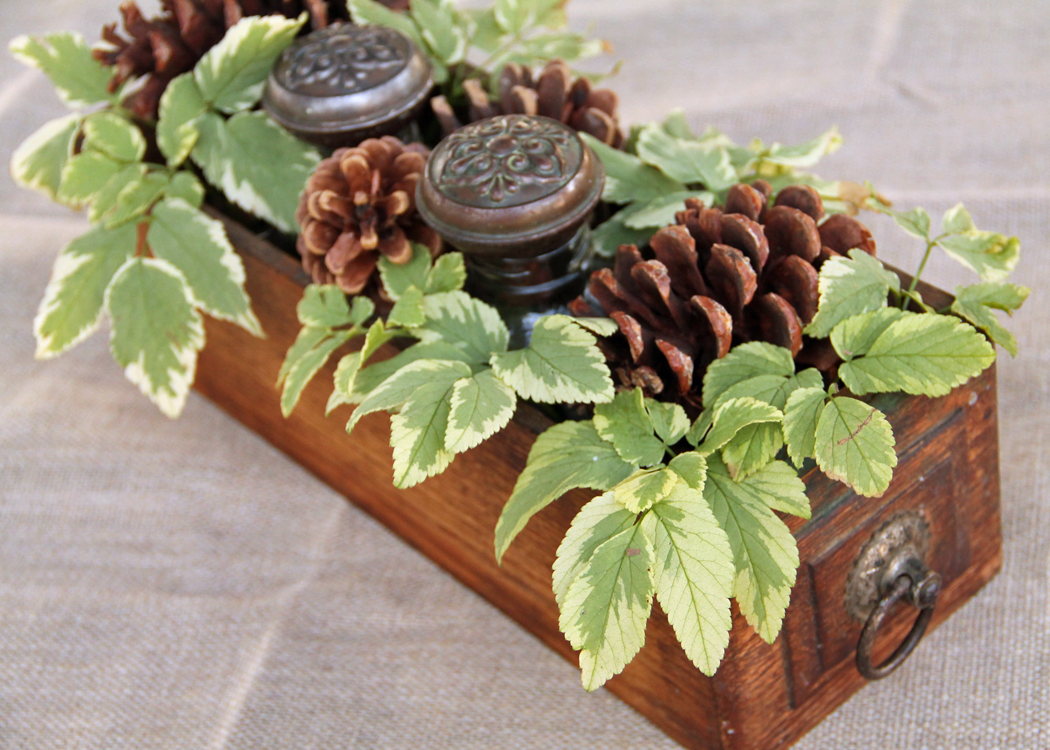
CENTERPIECE 2: PINE CONES + HOSTA +DOORKNOBS

Fall table centerpiece

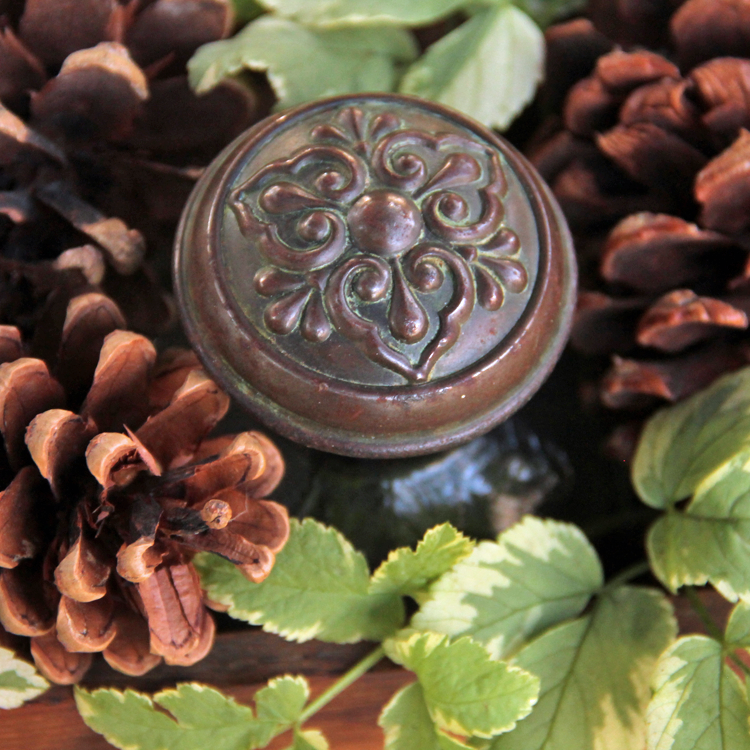
The second centerpiece includes a bit of whimsy. When searching for items to use in my arrangements, I came across a couple of old doorknobs and thought it would be fun to include them. The knobs were originally installed in a 1900’s outbuilding on my in-law’s property, which they recently tore down. The motif seems to be inspired by nature.

antique doorknob centerpiece

I placed the knobs in two of the glass jars, so that they would stay upright. I then layered pine cones (found from our Christmas decoration stash) around the glass jars. A few sprigs of hostas, cut from our landscaping, were feathered in.

Though they are contrasting elements, I am very pleased with how well they compliment each other!

Nature inspired fall decoration


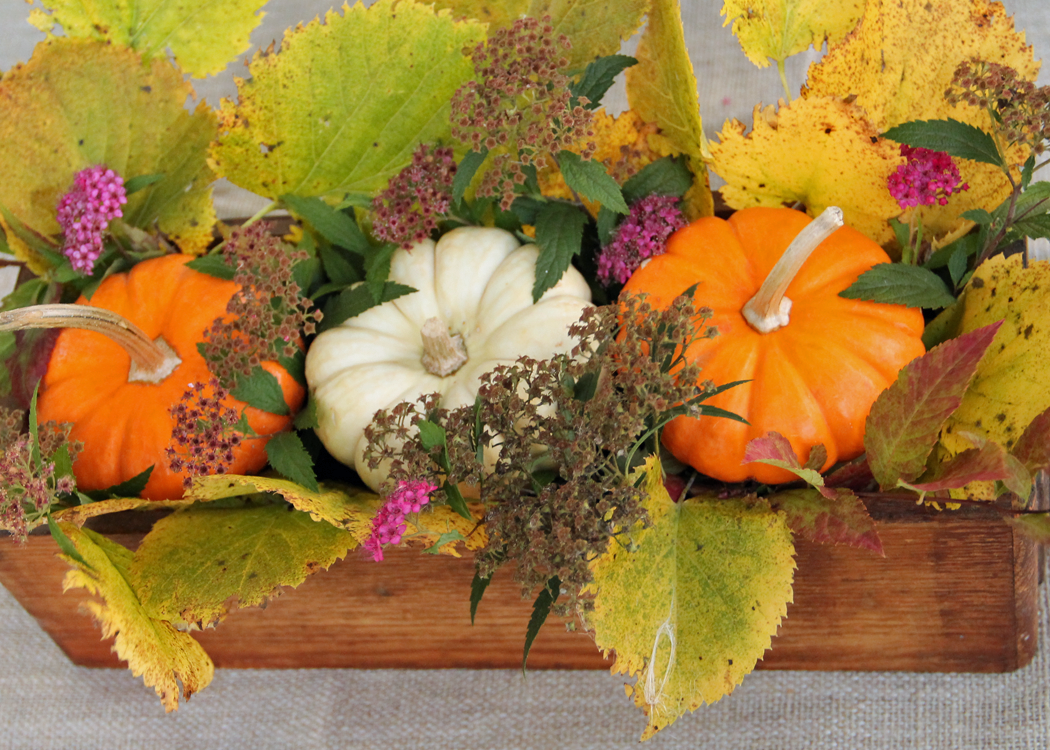
CENTERPIECE 3: PUMPKINS + FALL FOLIAGE

Pumpkin table centerpiece

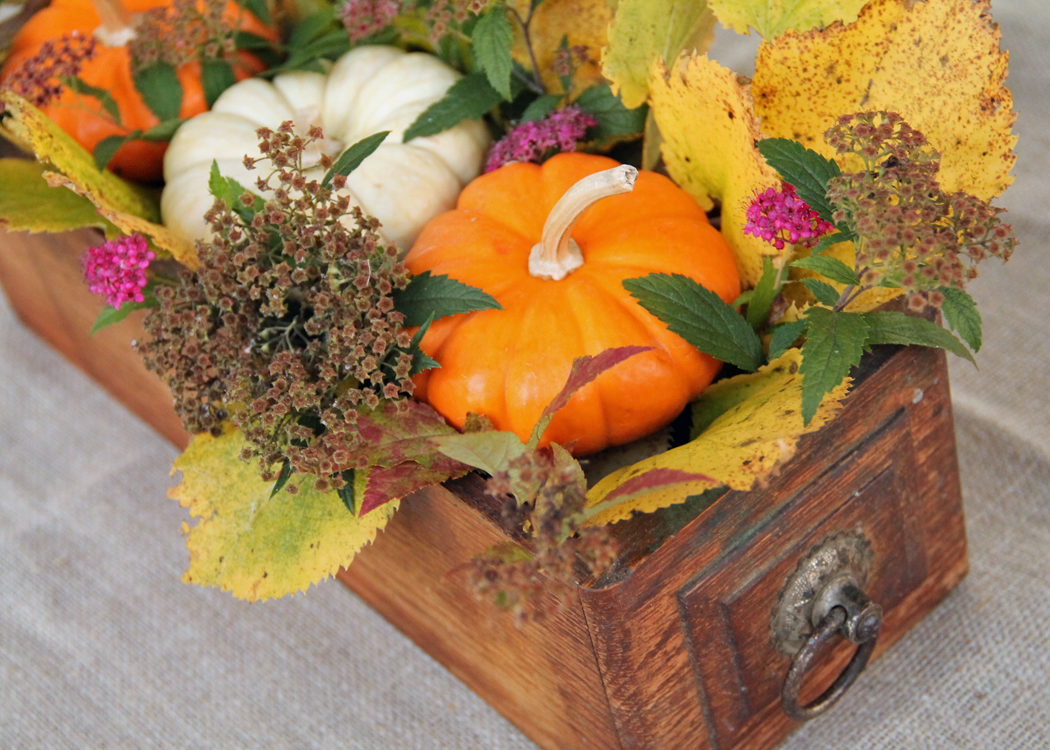
Pumpkins are super easy to find this time of year, and are ultra inexpensive. I picked up a package of 6 mini pumpkins for $3.99 at a local nursery, and only needed half of them for this centerpiece.

If I had set the pumpkins into the wooden drawer/box they would have been too low. Because of this, I placed a few pine cones in the box first. They helped give the pumpkins a little lift. I then cut small branches off of trees in our yard, which contained leaves that were turning colors but not quite ready to fall.

Fall Centerpiece ideas

I also layered in a few sprigs from a shrub that is in our landscaping. I’m not completely positive of it’s technical name, but I think it might be a Goldmound Spirea.

The delicate flowers are in the process of drying up. Even so, I was able to catch a few of them when they were in all their bright pink glory. Absolutely stunning. The colors of this arrangement really pop!

Natural Fall Centerpiece


ADDITIONAL FALL DECOR INSPIRATION

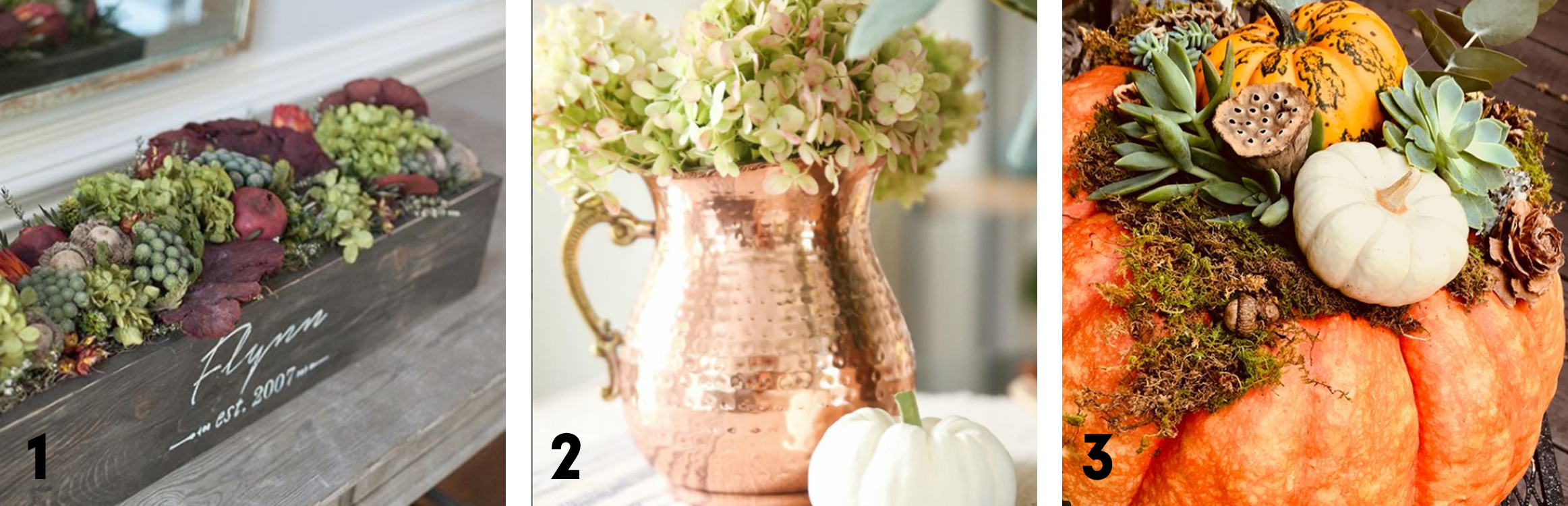
I had so much fun pulling these centerpieces together, and searched Instagram for other creative goodies. Check out this amazing trio of images I found! Click on the name links for source info and to see more of their beautiful Instagram feeds!

Fall Centerpiece ideas

1.  @sarahlynnbrennan also used a wooden box. The painted monogram decoration adds a personal touch that is quite charming. She used preserved flowers and greens – meaning that it will look beautiful for years to come!

2. @housebyhoff cleverly utilized a copper pitcher as her container. Inside she placed a few hydrangea branches. Set beside a single white pumpkin, the pair makes a simple statement for Fall. Just lovely!

3. @thehomehour went 100% natural with a large pumpkin layered with smaller pumpkins, moss, and succulents. Gorgeous and colorful!


I hope this post has inspired you to go searching in nature around you, to see what type of decorations you can create.

Be sure to check out the FREE art print available from Arrow Hill Cottage!

Be Thankful Art Print


PIN THESE CENTERPIECE IDEAS FOR LATER

Fall Centerpieces

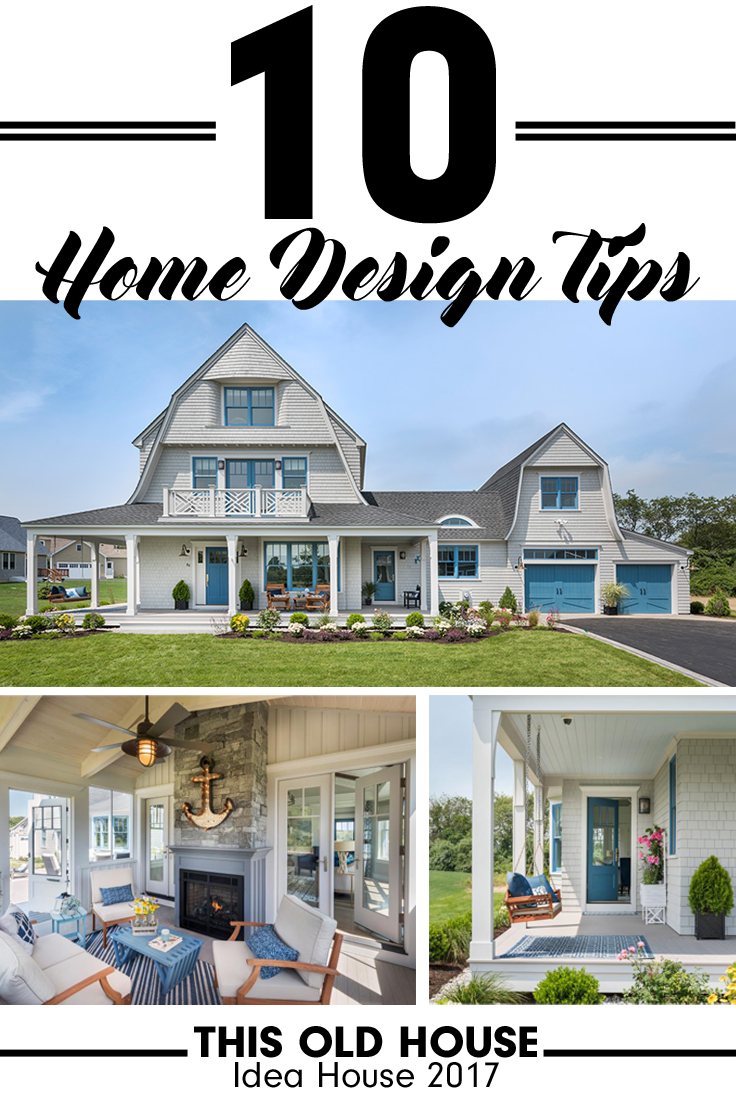
10 HOME DESIGN TIPS FROM THE 2017 TOH ‘IDEA HOUSE’

You probably know ‘This Old House’ as the PBS TV show focused on bringing dilapidated old homes back from the brink of despair. They make it look easy. So easy. The show has been airing since 1979, and is still going strong. I was introduced to its glory by watching episodes every Sunday with my dad in our living room. The show really helped to harbor my love for residential design and appreciation of fine craftsmanship.

In 2015 the show branched out from renovations and built the very first IDEA HOUSE, a bright blue storybook cottage.


I remember being drawn in to the charm of the home when I saw the feature in the magazine (yes, I have a subscription!), and I was really blown away at how well it had been executed. This Old House had gone NEW! They released the 2016 IDEA HOUSE the following year, a modern farmhouse styled home which was jam packed with energy efficiency.


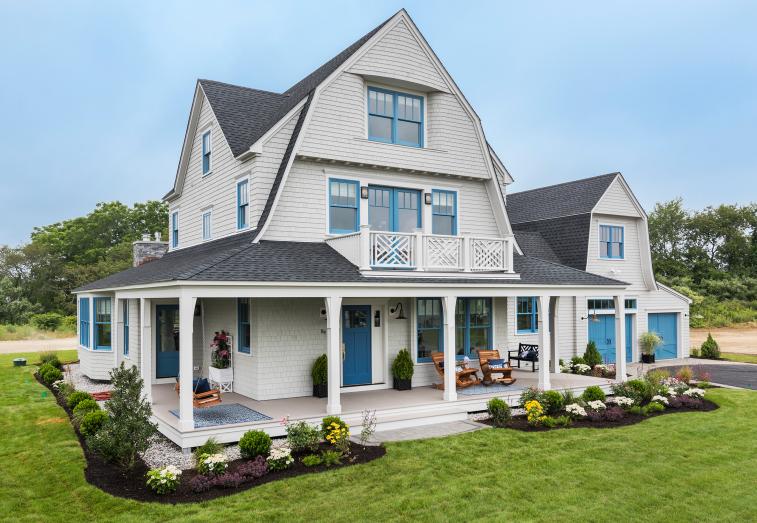
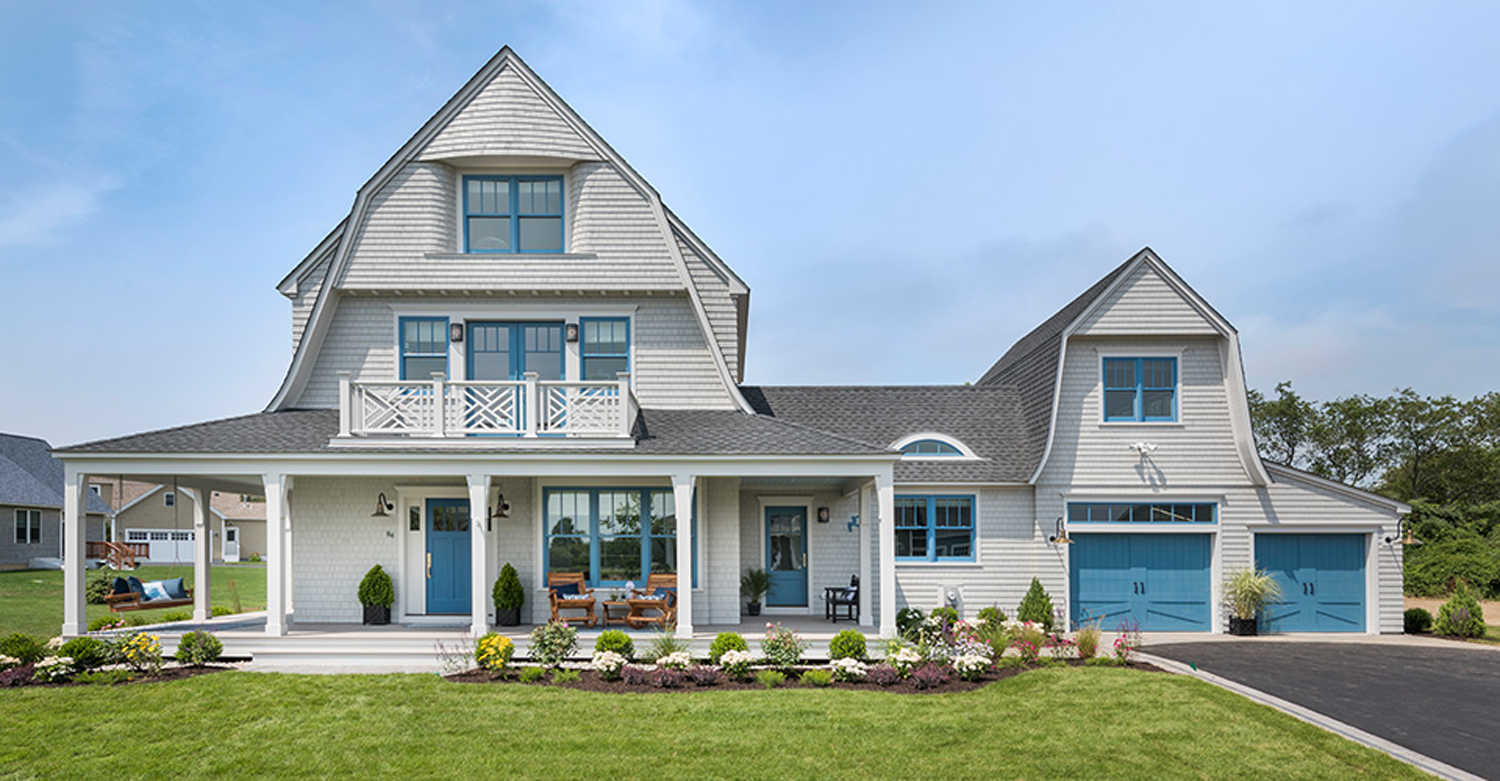
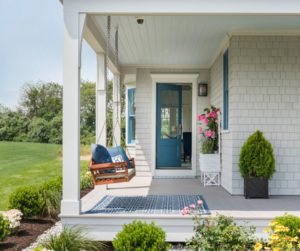
I anticipated the 2017 IDEA HOUSE, and was excited to see a 14 page spread of the design in the October issue of the magazine! It is a Rhode Island beach house in the classic coastal style. Isn’t it stunning?

***all photos are property of This Old House***

After reading the article, and snooping around on the TOH website a bit, I’m ready to share with all of you my list of 10 home design tips to take away from the 2017 This Old House Idea House.


1. DESIGN FOR MULTIPLE GENERATIONS
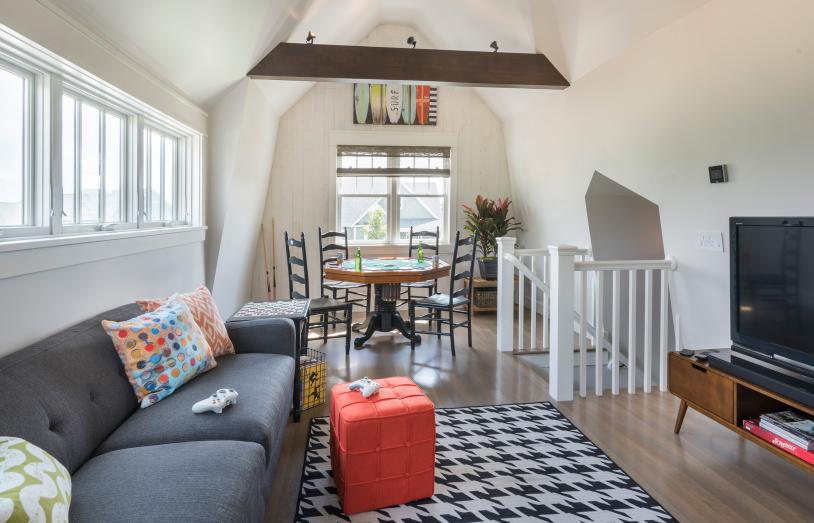
: Though multi-generational housing is quite common in most areas of the world, it has only recently become a trending concept in America. Perhaps it is an increased need to care for aging parents or a desire for families to cut down on housing costs driving this shift. Whatever the reason, it makes sense to plan for multiple future scenarios, even if it isn’t necessarily something that is needed for you right now. To accomplish this, the Idea Home cleverly situated bedroom and living spaces on multiple levels -allowing for privacy and connection at the same time. The bonus space above the garage, currently set up as a game room, could easily be converted to a studio apartment for a young adult not quite ready to fly the nest, or for aging parents who need some extra day to day help.

2. ALLOW THE CHARACTER OF THE REGION TO INFLUENCE YOUR HOMES EXTERIOR: A quaint log cabin would look out of place in a metropolitan setting, but graceful on a wooded lot. Natural and built elements in the immediate surroundings should be considered when designing your home. The designers of the Idea House hit the nail on the head by choosing a classic seaside shingle style for the home’s location near the ocean. 


3. INCORPORATE TRADITIONAL INFLUENCES INTO NEW HOME CONSTRUCTION
: Classic homes offer visual interest and unique angles that aren’t typically adopted in new builds. It is worth the effort to find builders who can incorporate detail, and the This Old House team did just that. The use of a wrap around porch, intricate gambrel roofs, shake siding, curving walls, and a unique eyebrow window add up to create a home that is not only beautiful, but personable. 

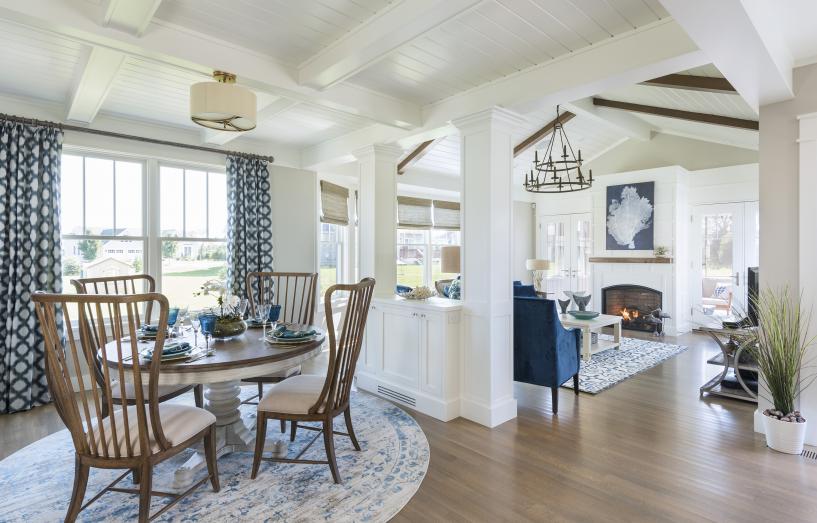
4. CREATE DEFINITION FOR INTERIOR SPACES: Although open concept floor plans are popular in today’s new homes, often times they make for an expansive space that feels lifeless and lacks intimacy. The Idea House cleverly uses ceiling design, partial walls, and columns to create defined spaces within the larger open plan. Sight lines remain open from one room to the next, but there is a coziness that is added by this extra layer of detail.


5. DESIGN FOR ONE LEVEL LIVING / AGING IN PLACE
: Going a bit further with the idea of designing for multiple generations under one roof, the Idea House team was also mindful that the family who eventually lives in this house may desire to stay there long term (who wouldn’t?).  Concepts such as using minimal stairs from the garage to the house and from the house to outdoor spaces, plus the addition of a first floor bedroom suite, drive this practice. Smaller details to make everyday life a bit easier for the older generation, such as lever style handles and a curbless walk in shower, were also incorporated.


6. CUSTOMIZE YOUR HOME TO FIT YOUR LIFESTYLE
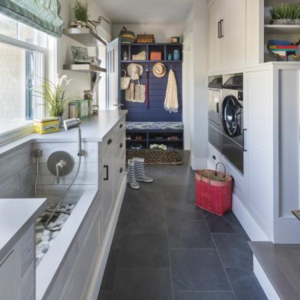
: Again, this house was designed for a typical family – but not with one particular family in mind. That being said, the space is far from generic. There are details throughout the house that suggest how customizing could benefit. One such example is the dog washing station in the mudroom. A feature such as this can really bring a standard house into ‘home’ status, by allowing it to function in the way the family who lives there needs it to.

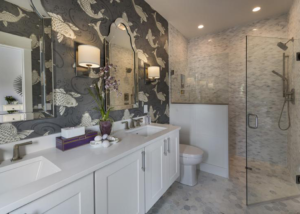
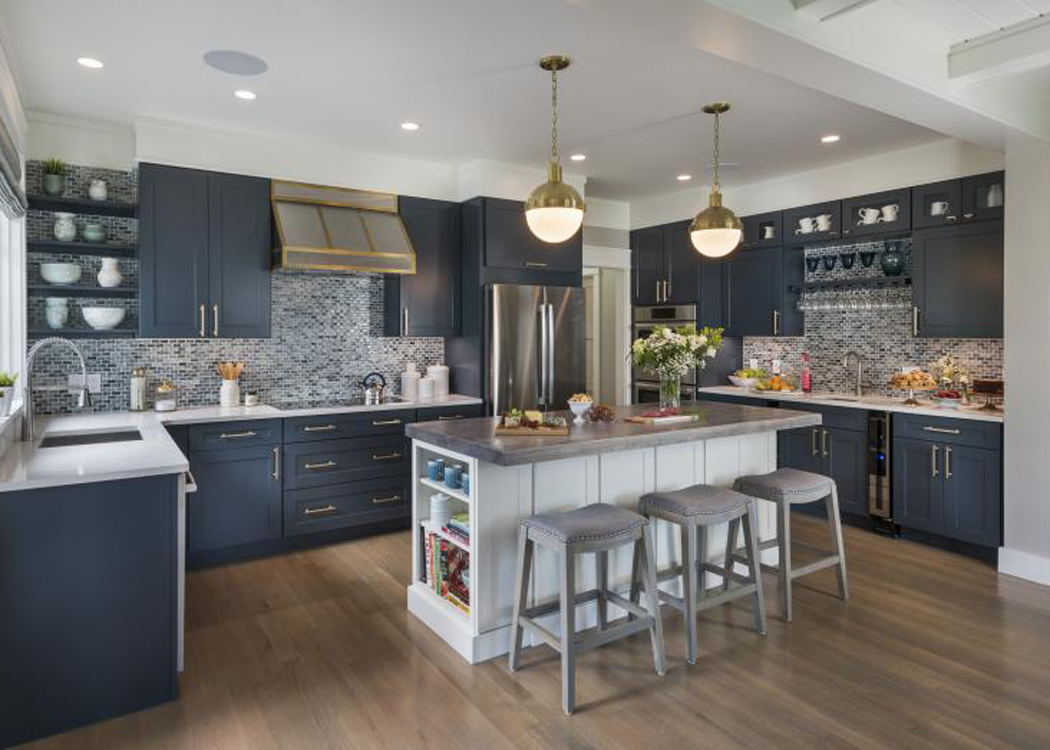
7. USE A COHESIVE COLOR PALETTE: Color helps to tie things together, and this house utilizes coordinating color palettes and decorating motifs seamlessly. There is definitely a ‘beachy’ vibe going on with a variety of blue hues and drift wood accents. The kitchen is sleek but playful with its seaside glass tile back-splash; and the master bathroom gets in on the theme with fanciful sea creature wallpaper!


8. PROVIDE AN INDOOR/OUTDOOR CONNECTION
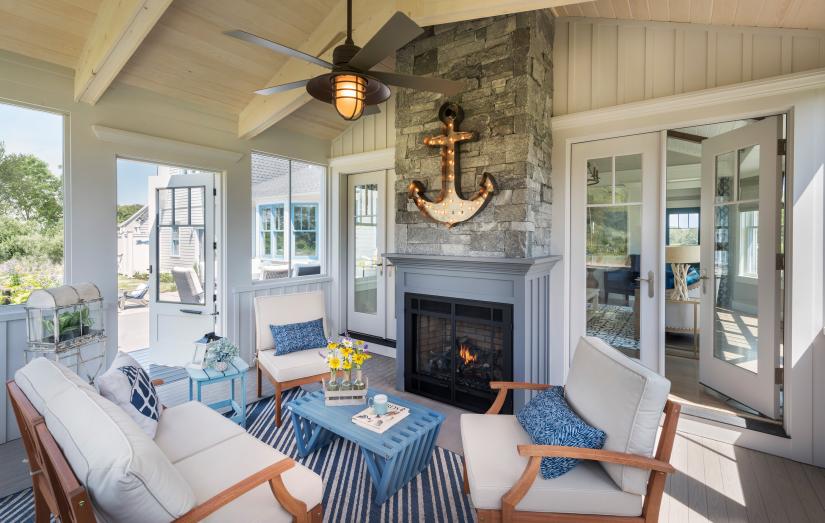
: Nobody wants to feel like they are living in a box. With the advancement of glazing and insulation, larger windows are now a reality of home construction – and providing stunning views from inside the home to the natural world is a desirable attribute. The Idea House takes the concept of connection a step further by locating a gorgeous screened in porch directly off of the living room. With its vaulted ceiling and cozy fireplace, it is sure to be a family favorite nearly year-round!


9. UTILIZE MODERN TECHNOLOGY:
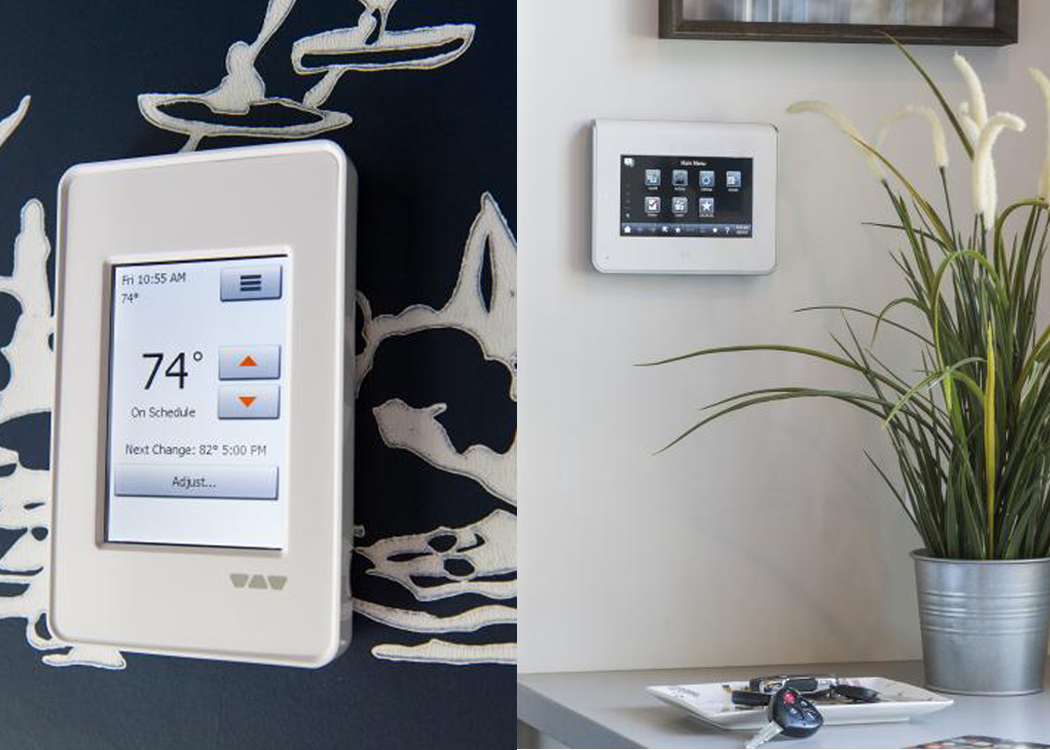
 The advances that have been made in technology recently are incredible, and the housing market is also seeing benefits from this development. The Idea House takes technology to the next level by incorporating a thermostat in each individual room with a VRF system, which provides room by room comfort and offers an estimated cost savings of 40% over conventional heating systems. The thermostats are controlled by a smartphone app. The security system is also top notch, with plenty of smart features that will ensure that the family who eventually lives in the home will feel safe and secure.


10. MAKE THE MOST OF EVERY SQUARE INCH
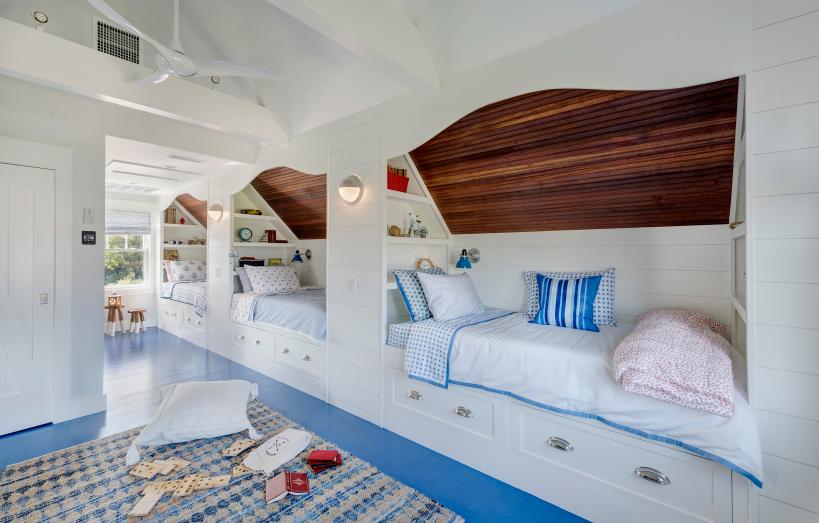
: Though the house is a generous size, the designers made sure that every bit of the 3,000+ square feet is functional. In the bunk room, built in beds were crafted in the space under the eaves, providing a cozy and charming spot for children or visitors to sleep. Personally, I’m pretty sure the bunk room would be my fave spot to hang out. Just take a look!


There you have it, 10 amazing house design ideas! As always, This Old House did not disappoint! The level of innovation, detail and character of this home are in line with that standard of excellence we have come to expect from the TOH team.

Want a closer look at the house? I encourage you to visit the This Old House Website to see the floor plans and check out a virtual tour, which allows you to look 360 degrees around each room. Very cool! They also documented each step of the construction and design process, including the installation of shingle siding, the building of the intricate chippendale railing, and discussion of what elements influenced the home’s overall color palette.

Stay tuned, the next project they are tackling looks to be just as intriguing! Get a sneak peek here. Spoiler alert! Mike Rowe makes an appearance!


FALL DECORATING IDEAS : DESIGN INSPIRATION FROM INSTAGRAM

Happy October everyone!  Here in the Midwest, the air is quickly turning colder and Fall is starting to show its true colors. Literally. Multi colored leaves are falling from the trees. Pumpkins, gourds and corn stalks are being harvested from the fields to be displayed in cute little farmers market stands.

While preparing to decorate our home, I headed to Instagram for some Fall decorating inspiration, and boy did I find it! Today I want to share with you a handful of gorgeous displays that perfectly reflect the change of seasons, each in their own unique way.


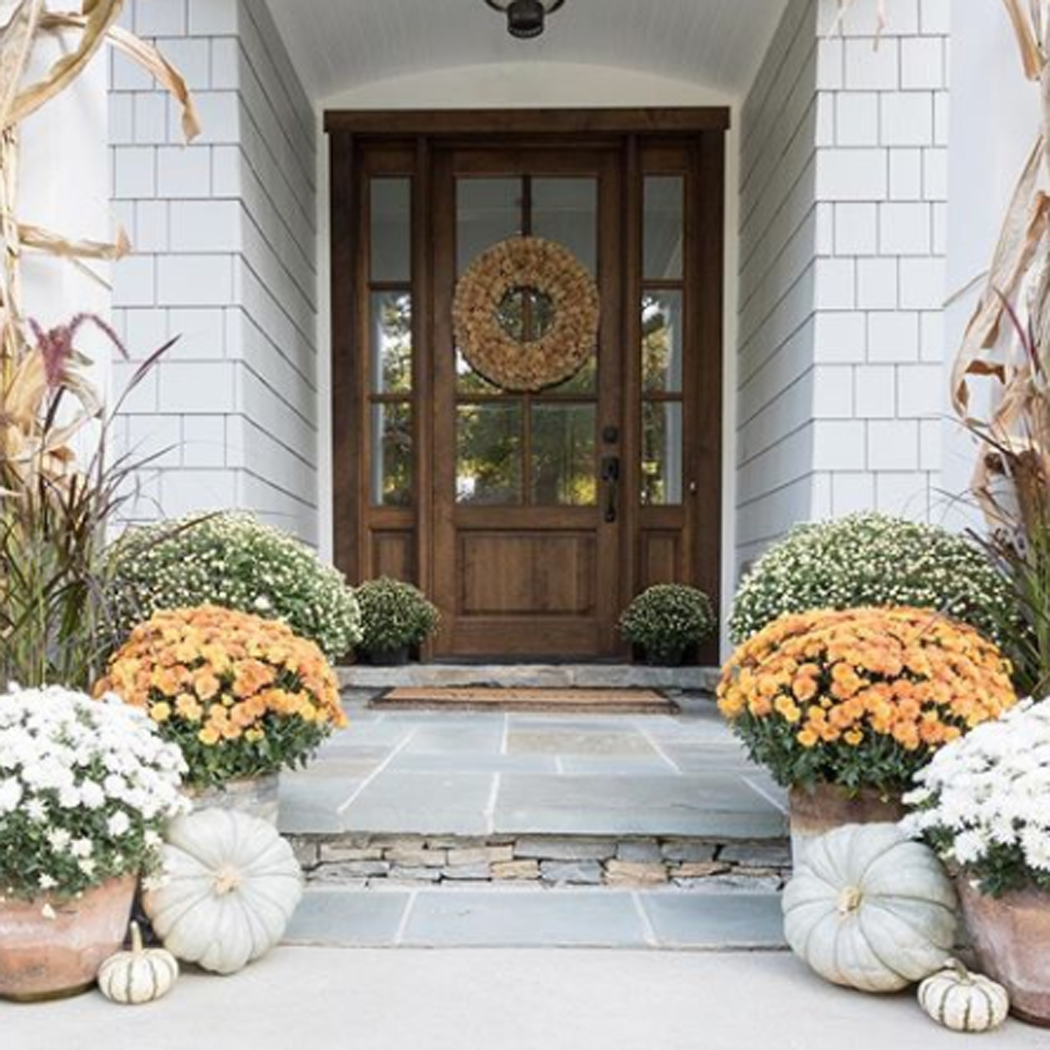
@greensprucedesigns

This entry setup is just so beautiful!  I am absolutely in love with the wooden front door. And that barrel vault?  Swoon!  The simple addition of fall foliage, corn stalks and white pumpkins really make this a festive spot without too much added fuss or clutter. Who wouldn’t want to be welcomed home to this view?


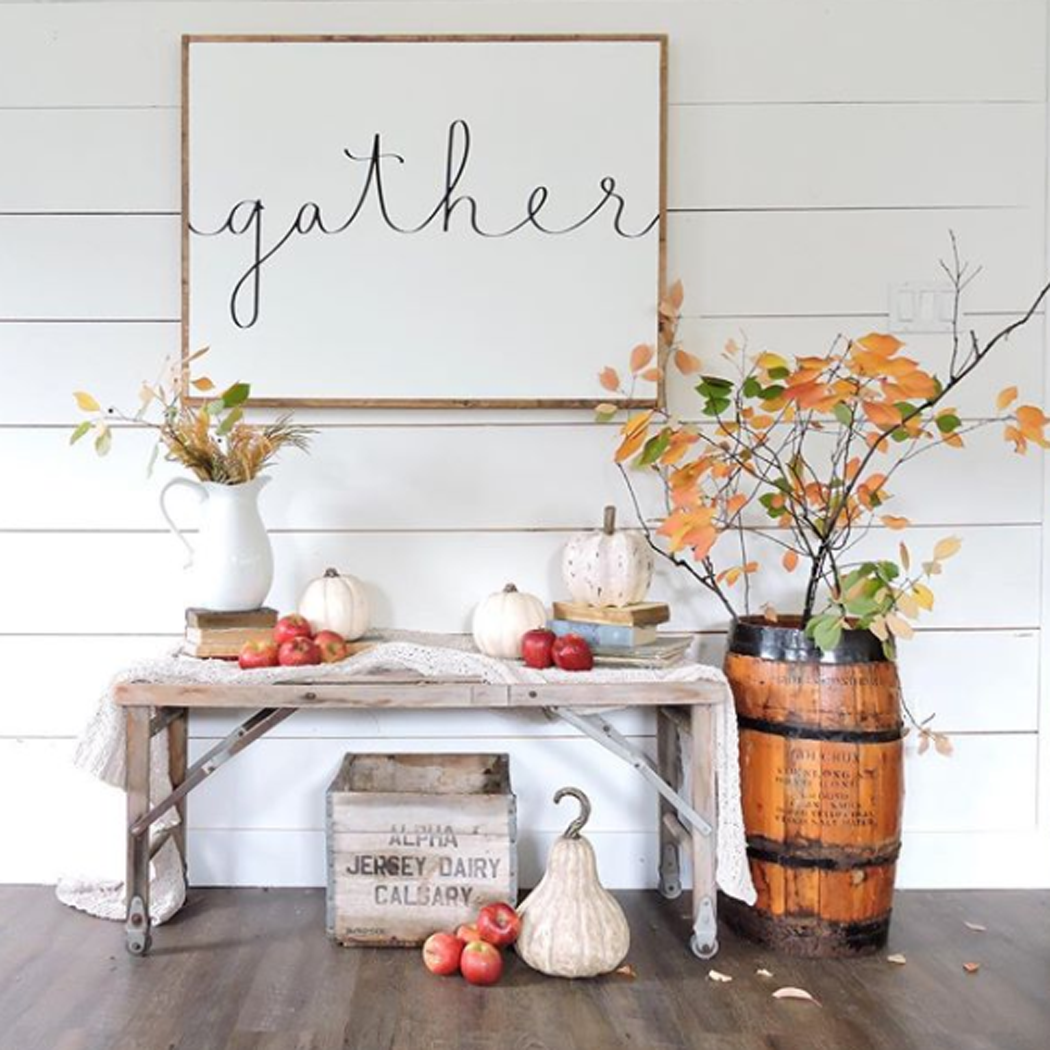
@cottonwoodacres

This picture has me wanting to scour all of the local antique shops and estate sales for an old wine barrel – because seriously, isn’t it just perfect? The inclusion of apples in the display is a unique decorating decision that totally works!  I love the large lettered sign – a fitting sentiment for Fall and Thanksgiving.

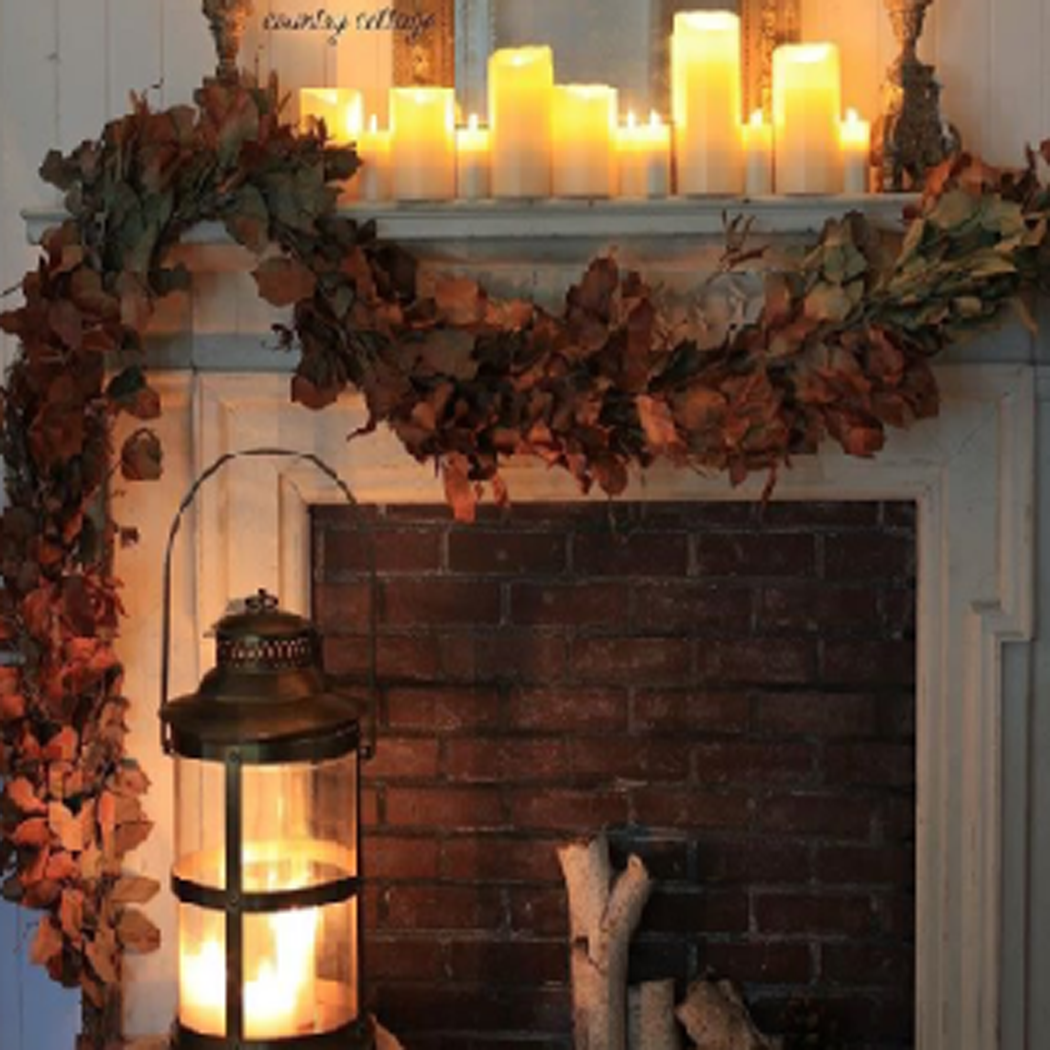
@frenchcountrycottage

If I had to use one word to describe this photo it would be COZY.  I love how Courtney layered the accent pieces to complement her fireplace. The warm glow of the candles and lantern add a very nice ambiance. Get me a book and a cup of hot cocoa, and I could be happy to stay in this exact spot for hours.


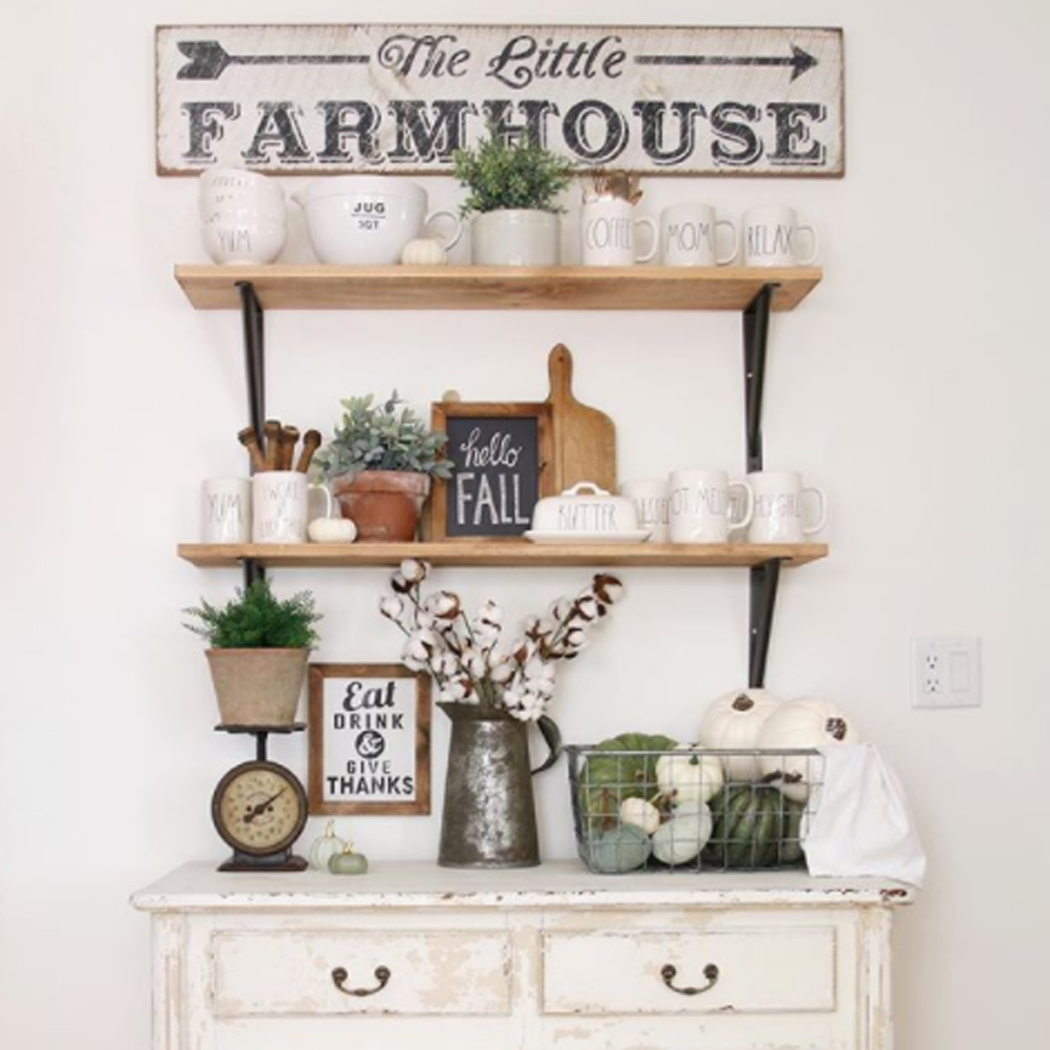
@therusticlife

I’m a huge fan of white decor, and although it isn’t what we typically think of when we envision the Fall season, it just works perfectly here.  This photo reminds me that even the most simple display can turn festive by just trading out a few pieces. My eyes are especially drawn to the wire metal basket full of Fall goodness!


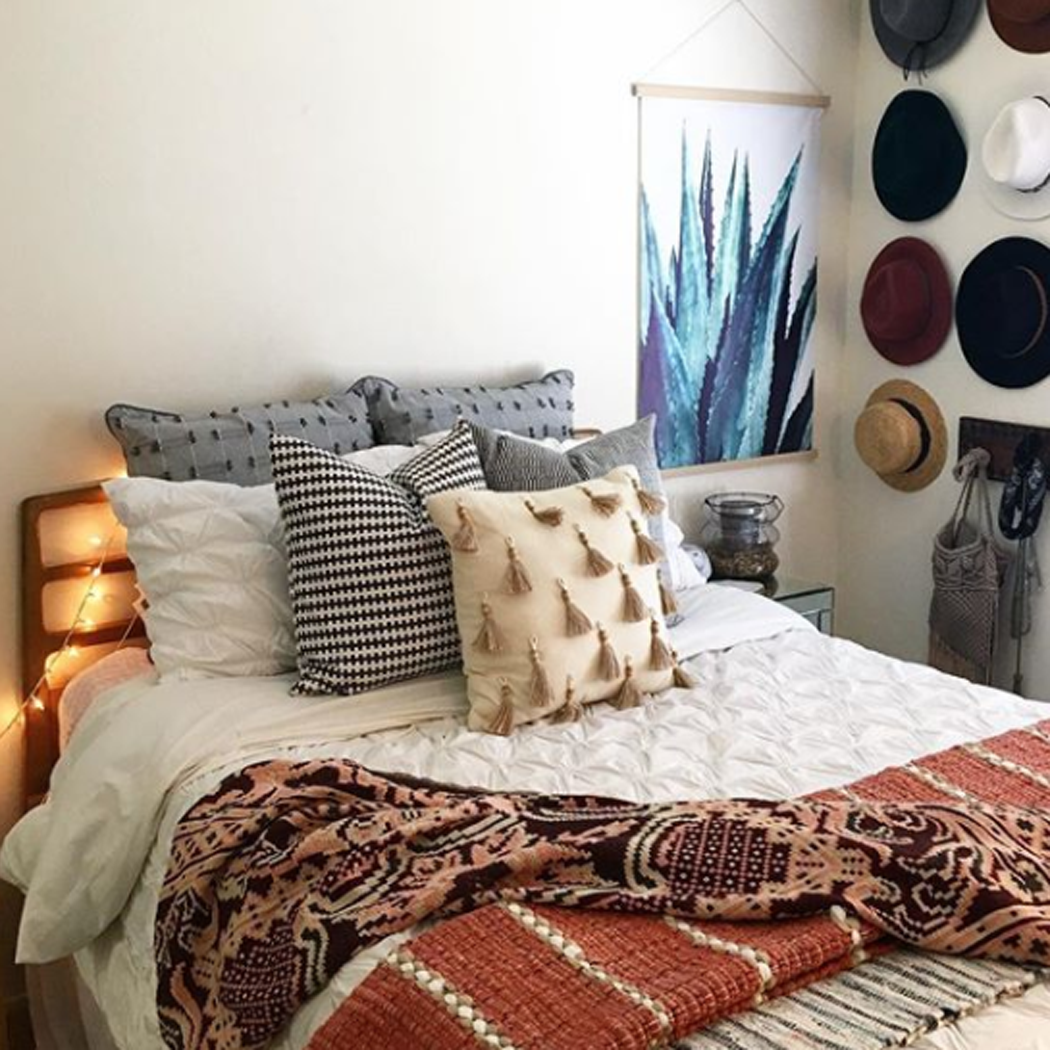
@missmirandarose

An often overlooked decorating spot, this photo proves that the bedroom is just as worthy of being gussied up as any other space in the house. This room is absolutely exploding with texture! The rusted hues are spot on, and using hats as wall decorations? Genius!


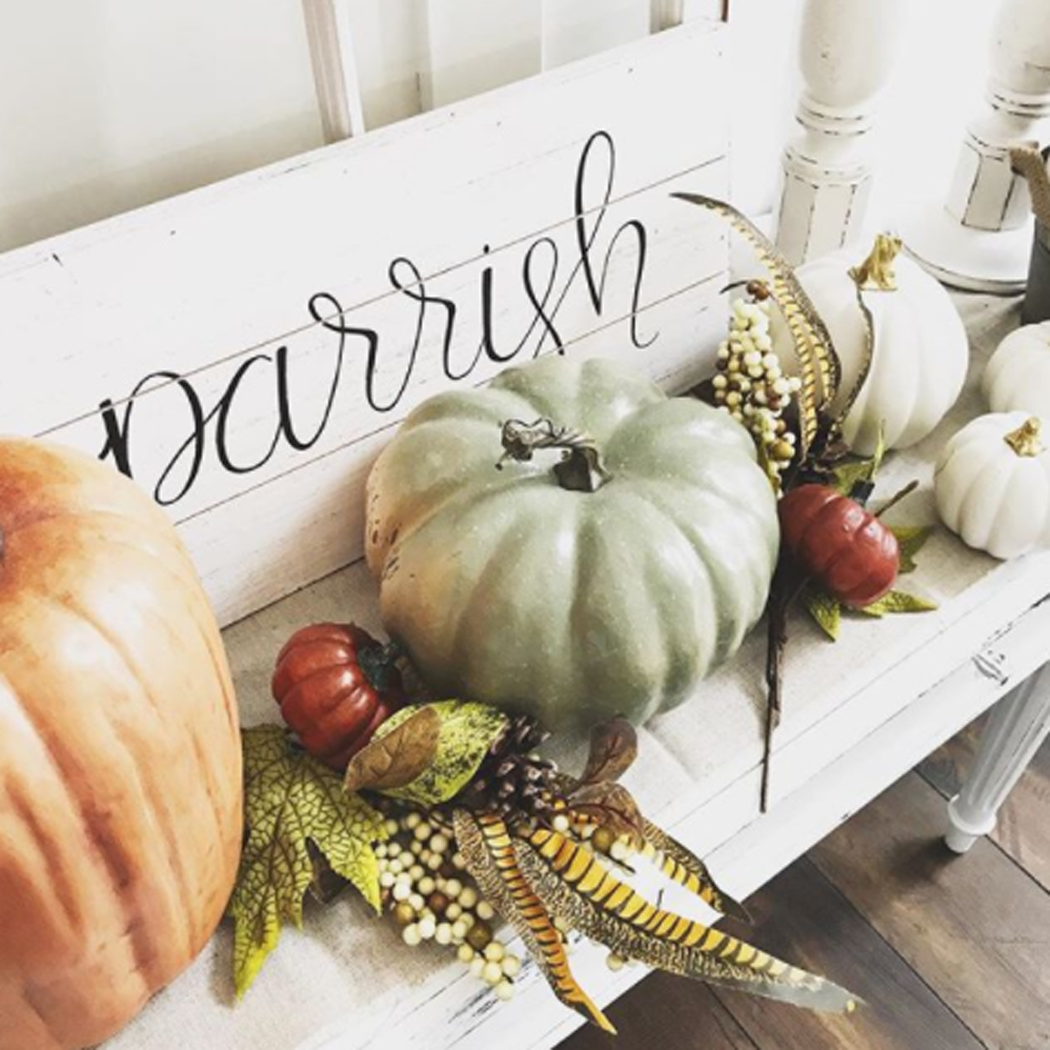
@whitehouseon19th

This photo is so simply stated, that I just had to include it.  I believe it serves as a lesson that sometimes less is more. I love the inclusion of pheasant feathers; And that white bench couldn’t be any more charming if it tried!


A big thank you to each of the lovely people who gave me permission to share their creations on the blog. I encourage you to click on the links above to browse their IG feeds and blogs for even more awesome inspiration. You won’t be disappointed!

Which photo is your favorite? What is your seasonal decorating go-to? Comment below. Let’s chat!

I hope that you are enjoying the colors of the season, and all the bounty that it offers!


25 HOME DESIGN BOOKS TO READ FOR INSPIRATION


Designing a home can be a pretty overwhelming thought, especially considering there is no right or wrong way to do it.  How do you narrow down the decisions when there seem to be endless possibilities of size, style and function?

Sometimes, you know what you like when you see it.  You realize which direction to take when you see that someone else has been successful following a similar path.  These days, technology gives us inspiration at our fingertips through venues such as Houzz, Pinterest and Instagram.  You can search the internet for ideas and tips, but there is just something so comforting and personal about using a book for inspiration.

I have amassed a large collection of Home & Garden + DIY books through my years working in the architecture field, and they are literally referenced ALL.THE.TIME both for personal enjoyment and professional development. The amazing thing is that even with all of this use, each time I flip through their pages, I seem to notice something new. A solution to a problem we have been having at our own home, a simple plan change that might benefit a client, or an inspiring use of materials.

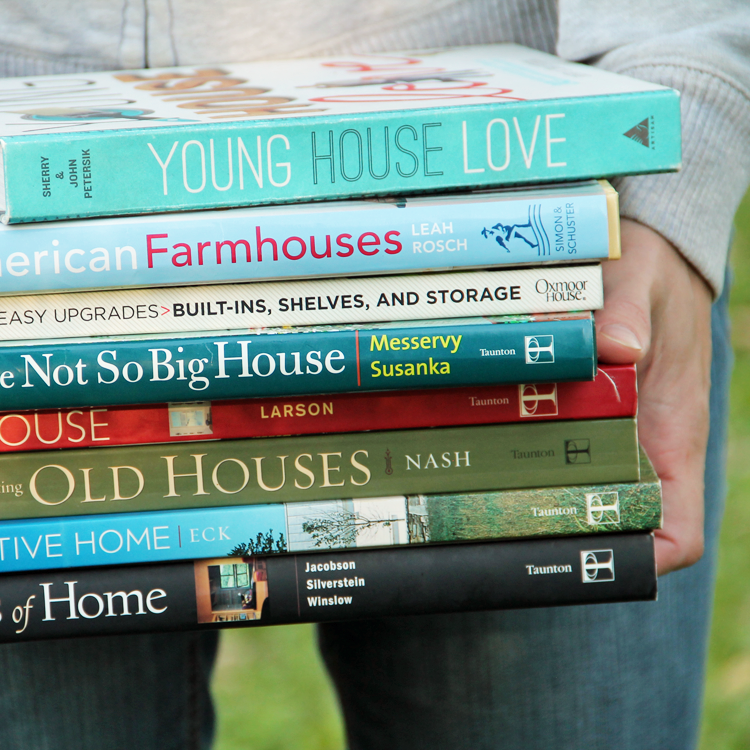
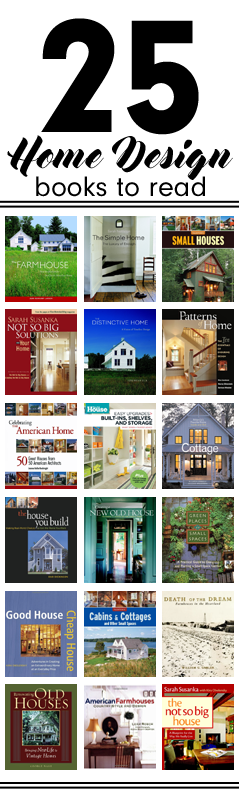
From my personal library, I have curated a collection of 25 Home Design books that are MUST READS – the cream of the crop.  The words I use to describe each book in the reviews below are my own thoughts and insights.  You can click on the images to learn more about each book, read reviews from other customers, or purchase for yourself.

Happy Reading!


This post contains affiliate links to products for your convenience.  If you purchase via my links, I may receive a small commission at no additional cost to you.  Thanks for supporting Arrow Hill Cottage!


1. THE NOT SO BIG HOUSE: A BLUEPRINT FOR THE WAY WE REALLY LIVE by Sarah Susanka
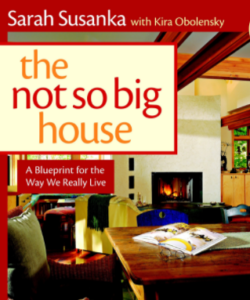
I am starting out the list with one of the classics. Originally released in 1998, this ground-breaker was re-written in 2009 to include 16 additional pages of high class information.

The author, Sarah Susanka, is a renowned architect and leader in the small house movement, giving her readers a simple message – that quality should come before quantity.  The book gives homeowners plenty to think about in regards to what is really necessary in a home.

The Not So Big House encourages house design that means more than the total square footage.

  
2. CREATING THE NOT SO BIG HOUSE: INSIGHT AND IDEAS FOR THE NEW AMERICAN HOME by Sarah Susanka
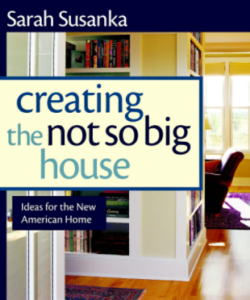
The Not So Big House started a movement to change they way people think about the American home, and this book calls those ideas to action by presenting key design strategies.

As in book one, Sarah gives plenty of examples of how these strategies can help make a smaller home live large.

With plenty of inspiring images to describe the topics presented, this book is easy to follow, and the techniques presented are useful whether you are building new or remodeling your existing home.

 
3. NOT SO BIG SOLUTIONS FOR YOUR HOME by Sarah Susanka
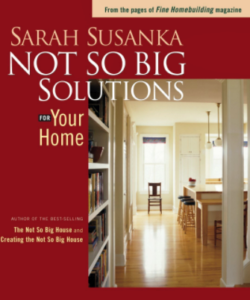
Whereas the first two books in the Not So Big series focused on overall concepts, Not So Big Solutions for Your Home tunes into the small details that can improve how people use their homes.  Simple tips are offered to homeowners looking to make their spaces more functional. From positioning a tv in a family room, to designating a mail sorting station, there are ideas to solve all sorts of the common problems that homeowners face.

The concepts in this book are complemented almost entirely with hand drawn sketches, which adds a personal and fun touch.


4. INSIDE THE NOT SO BIG HOUSE: THE DETAILS THAT BRING A HOME TO LIFE by Sarah Susanka and Marc Vassallo
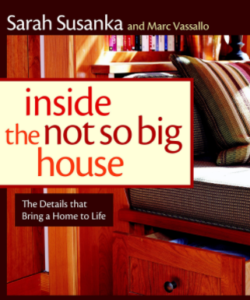
This book is not as much of a ‘How To’ as the others books in the series are. I would describe it more as a collection of homes, each designed with the Not So Big principles, that are presented as case studies of a well designed home.

The pretty pictures serve as evidence that by following the ideas in the previous books you can attain a personalized home to fit your family’s lifestyle.

Home styles from the modest ranch to a Tuscan villa are represented. In that respect, I feel that this book has a little inspiration for everyone’s style.


5. OUTSIDE THE NOT SO BIG HOUSE: CREATING THE LANDSCAPE OF HOME by Julie Moir Messervy & Sarah Susanka
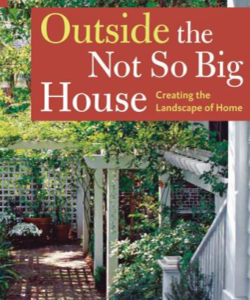
Extend your home beyond its four walls by using the concepts of landscape design presented in this book. Learn how to embrace the site that your home occupies by not only appreciating the elements that nature provides, but finding a link to connect the home’s interior to it’s surroundings.

Concepts discussed include discovering privacy in your yard, using variety in plantings, and living lightly on the land. The twenty homes/landscapes presented in this book each utilize these concepts in an interesting and thoughtful way.


6. NOT SO BIG REMODELING: TAILORING YOUR HOME FOR THE WAY YOU REALLY LIVE by Sarah Susanka and Marc Vassallo
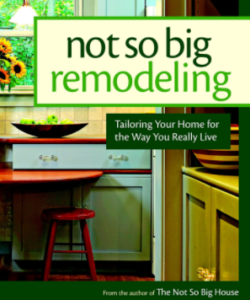
Through the pages, authors Sarah Susanka and Marc Vassallo provide simple but clever ideas that can have a big impact on how the space in your home is used. Many of their ideas work within the existing footprint of the home, though they also show examples that involve adding on just a little.  No major home overhauls are tackled.

Not So Big Remodeling does a wonderful job of showcasing basic remodeling solutions for virtually any room your home may have – from bathrooms to home offices, even basements!


7. SMALL HOUSES by the Editors of Fine Homebuilding
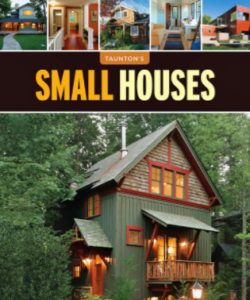
One of my favorite things about this book is the way it is laid out.  It is broken into sections based on house size, from those under 1,200 square feet all the way up to homes as large as 2,250 square feet.  This varied range of scale proves that ‘small’ is a relative term.

If building new, Small Houses provides a list of ten techniques to keep the size down, including the use of multipurpose space and using varying scale to elongate the feeling of expanse.  The book also provides examples of homes that were improved with small additions over time.


8. COTTAGE: AMERICA’S FAVORITE HOME INSIDE & OUT by M. Caren Connolly & Louis Wasserman
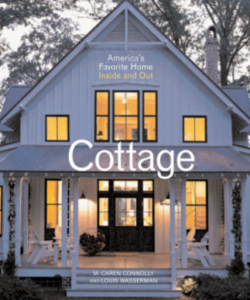
You can probably guess from the name of our future property (and this website) Arrow Hill Cottage, that I have a fondness for this particular home style.  What appeals to me about cottages is their personally scaled size, cozy intimate interiors and deep connection to their surroundings.

The authors of this book feature 24 unique cottages through beautiful photography and amazing watercolor drawings – including mini floor plans of each. The text is also well thought out and informative – providing insight into site planning, the use of vernacular building materials, and current and future trends in cottage design.


9. THE FARMHOUSE: NEW INSPIRATION FOR THE CLASSIC AMERICAN HOME by Jean Renkamp Larson
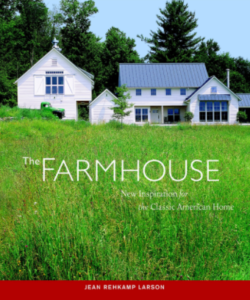
There is just something about a farmhouse.  It is an iconic symbol of a more simple era. Farmhouses aren’t pretentious or showy, yet they are timeless and well loved by many.

This book presents a collection of newly built and remodeled homes, each that use the classic farmhouse as a model for design.  The examples of homes throughout its pages prove that the hearty form and basic shapes of the style is highly adaptable for modern day living. Jean Renkamp Larson did a wonderful job showcasing the simplistic beauty of today’s interpretation of this classic home style.


10. PATTERNS OF HOME: THE TEN ESSENTIALS OF ENDURING DESIGN by Max Jacobson, Murray Silverstein & Barbara Winslow
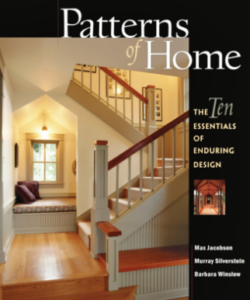
The three architects who authored this book present what they consider to be the ten essential elements that make a home timeless.

The book is clearly written, with wonderful photographs of houses from all over the country used to showcase the patterns – including the composition of building materials, the way light is captured, and the flow between rooms. The concepts laid out in this book, if executed properly, can really make a difference between a purely functional home and one that inspires it’s inhabitants.


11. DEATH OF THE DREAM: FARMHOUSES IN THE HEARTLAND by William G. Gabler
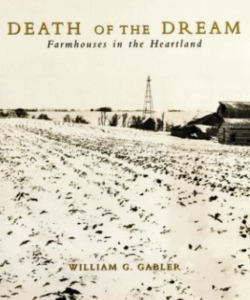
This book is unlike any other on this list, in that it is more of a history lesson than a tutorial of design.  It is also regional specific, focusing the attention on farmhouses built in the Minnesota prairie.

The author is an amazing story teller and photographer and he beautifully illustrates how pioneer farm families, mainly immigrants from Europe, settled on government provided free land with the dream of starting a new life. He explains how these homes were designed in an evolutionary way, by the people who inhabited them, based primarily on the immediate environmental conditions that presented.


12. THE SIMPLE HOME: THE LUXURY OF ENOUGH by Sarah Nettleton
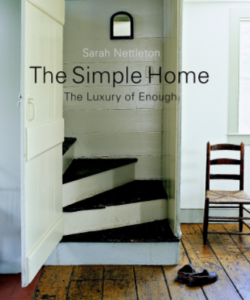
The Simple Home encourages you to think about the sounds, feelings, and movement that allow you connect to life itself – thinking less about what you want in a home and more about who you are and what you need to be fulfilled – then translating them into elements of your home.

The author of this book contends that less is more, and that by eliminating non-essentials, you can design a simple home that will help you and your family appreciate the simple pleasures of living. The book is laid out with six main concepts to keep in mind.  Simple is: Enough, Flexible, Thrifty, Timeless, Sustainable, and Resolved Complexity.


13. THE HOUSE YOU BUILD: MAKING REAL WORLD CHOICES TO GET THE HOME YOU WANT by Duo Dickinson
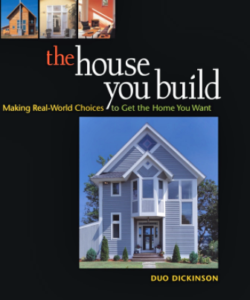
The house is the largest purchase most Americans will ever make.  Why then, the author questions, aren’t more people living in the home of their dreams? The budget seems to be a stumbling block for many, and Duo Dickinson sets out in this book to encourage the readers that it doesn’t have to be.

20 homes are presented and the cost to build each is listed, which I believe was a wonderful decision on the author’s part.  By adding this little bit of information, left out of nearly every other home design book I have read, Mr. Dickinson immediately brings the homes to a relate-able level to his readers. They are real world examples, homes built by people of all walks of life.


14. GREEN PLACES IN SMALL SPACES: A PRACTICAL GUIDE TO DESIGNING & PLANTING A SMALL SPACE GARDEN by Kerwin Fischer
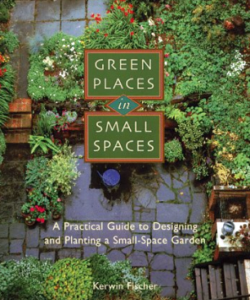
This book does a wonderful job explaining gardening in simple layman terms so that even people like me, who don’t posses a green thumb, can feel confident trying their hand at growing their own plants and flowers.

Kerwin Fischer, the author, starts at the basics of how to select a spot to make ‘green’, by evaluating aspects such as light levels, protection from wind, and access to water.

Further in the book, he thoroughly describes which flowers bloom during which seasons, and also explains how to prep flower beds or pots for their dormant seasons.


15. YOUNG HOUSE LOVE: 243 WAYS TO PAINT, CRAFT, UPDATE AND SHOW YOUR HOME SOME LOVE by Sherry & John Petersik
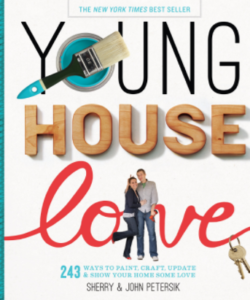
I have been following the Young House Love blog for years, so when they released their first book – with the same title – I was super pumped! The book does not disappoint and is written in the same personable voice that John and Sherry Petersik are known for.  And just like the blog, the book is a treasure trove of creative ideas.  From learning how to style a bed, to creating coasters – there is a project for every skill level, and by tackling them, you are sure to add some whimsy and personality to your home.

I consider this book to be more of a home DECOR book, but included it in this list because sometimes a simple spruce up is all the inspiration you need.


16. CREATING A NEW OLD HOUSE: YESTERDAYS CHARACTER FOR TODAY’S HOME by Russell Versaci
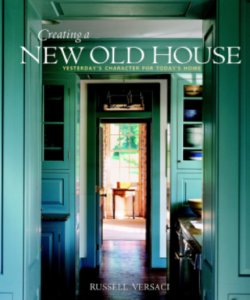
Perhaps you love the charm of historic houses, but don’t feel like signing up for all of the upkeep that they require.  This book shows that it is possible to craft a new home with the familiar forms and harmonious proportions of these traditional structures, while providing the amenities necessary for modern day living.

Mr. Versaci lays out what he calls the Eight Pillars of Traditional Design, which are techniques that should be used to create new houses with traditional qualities. They include using authentic details, crafting with natural materials, and respecting the character of place by complementing the lay of the land.


17. THE DISTINCTIVE HOME: A VISION OF TIMELESS DESIGN by Jeremiah Eck
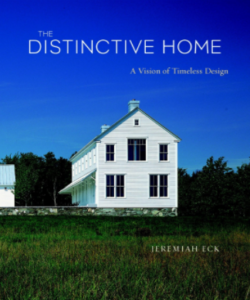
The author of this book has a theory that for a home to be distinctive, or timeless, it needs to have a balance of site, floorplan, and exterior and interior detailing.  He provides multiple house examples, and lays out how each of them excels in each of these four categories.

The book is well organized and easy to understand and also includes small reference floor plans for many of the homes, which is personally one of my favorite things about home design books! The Distinctive Home will probably be most useful for people who are looking to design a brand new home, and not those that are remodeling a historic one.


18. CELEBRATING THE AMERICAN HOME: 50 GREAT HOUSES FROM 50 AMERICAN ARCHITECTS by Joanne Kellar Bouknight
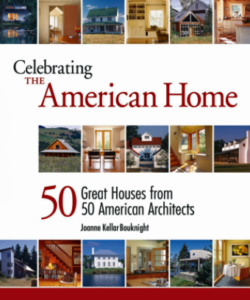
The title of this book really describes what it is all about! All 50 homes were selected by a panel of distinguished residential architects, who chose them based on how well they illustrate great residential design – including five important qualities: a great response to the site they occupy, a comfortable scale both inside and out, livability that accommodates both everyday life and special occasions, a deep respect for craft, and a distinctiveness that transcends the ordinary.

A wide variety of home styles are represented in the selection, from a humble cabin by the lake to a modern townhouse in the heart of the city.


19. GOOD HOUSE CHEAP HOUSE: ADVENTURES IN CREATING AN EXTRAORDINARY HOME AT AN EVERYDAY PRICE by Kira Obolensky
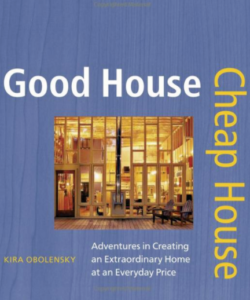
Want to design and build your own home, but fear that finances won’t allow it? This book seeks to prove that a good house does not need to cost a fortune.

The author presents three main aspects that can help you save money when designing and building your own home.

There are 27 homes featured in the book, and each of them brings something unique to the table.  A house on stilts.  An owner who poured concrete counter tops for his kitchen. A structure inspired by music.  Each home perfect for its owners.


20. FLEA MARKET STYLE: DECORATING.DISPLAYING.COLLECTING by Better Homes and Gardens
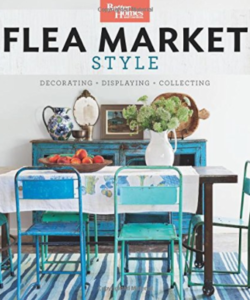
Another home decorating book to make my list, Flea Market Style has such amazing images that portray a variety of house interiors – including bohemian, cottage and country styles – proof that style is personal.

Decorating with found treasures, whether collected by thrifting, rummaging or antique shopping, is a favorite of homeowners.  This book shares practical tips and advice for shopping and lays out concepts on how to display your finds without giving your house a cluttered look.

The last section of the book reveals ideas on how to re-purpose your finds into unique home decor items.


21. CABINS & COTTAGES AND OTHER SMALL SPACES by the Editors of Fine Homebuilding
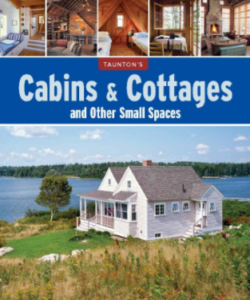
I’m just going to go ahead and say it.  I love this book!

As a big fan of houses that are scaled to fit its occupants, I was impressed to see such a wide variety of examples presented – even a house boat example is included!  The photos and sketches are beautiful to look at. Truly inspiring.

Readers will also appreciate that most designs list the total square footage and the general cost per square foot. This information is helpful in understanding what a new home might cost to build in the real world.  These examples seem attainable, without being bland and boring.


22. AMERICAN FARMHOUSES: COUNTRY STYLE & DESIGN by Leah Rosch
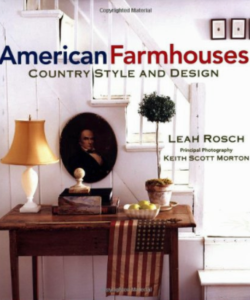
This book explores the individualism and heritage of the charming farmhouse look, which is still one of the most popular decorating styles in America today.

Leah Rosch chose to use photographs by Keith Scott Morton to illustrate the beauty and charm of the homes presented in the book, rather than using much written word. The last pages include a detailed list of manufacturers, craftsmen, and architectural antiques dealers nationwide – which, although potentially somewhat dated, can serve as an amazing resource to those looking to bring the classic look and detailing of these country homes to their interiors.


23. EASY UPGRADES: BUILT-INS, SHELVES, AND STORAGE by This Old House
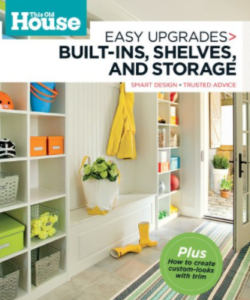
Get the most out of your home by making each square inch useful.  One of the best ways to do this is through the use of  built-ins. This book offers built-in solutions for every room and many situations, including window seats and under the stair storage.

This book is a great idea generator and in true This Old House fashion, it contains colorful and clear inspiration images and encourages its readers to tackle a few of the projects on their own – with detailed instructions and steps.


24. A FIELD GUIDE TO AMERICAN HOUSES: THE DEFINITIVE GUIDE TO IDENTIFYING AND UNDERSTANDING AMERICA’S DOMESTIC ARCHITECTURE by Virginia Savage McAlester
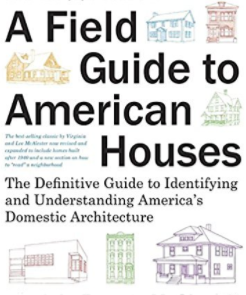
I would definitely recommend that you pick up this book. It is filled with incredible vignette sketches that clearly describe all of the hallmarks of each style of American domestic architecture – from the early Native American dwellings, to historic folk houses, all the way to the modern day home.

It is truly an essential guide to understanding the beauty and diversity of houses built for American families.


25. RENOVATING OLD HOUSES: BRINGING NEW LIFE TO VINTAGE HOMES by George Nash
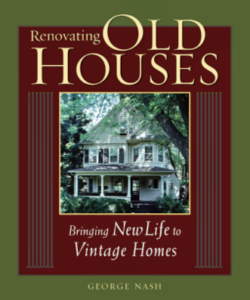
This book is a must have if you own a historic home. These homes were built to last, but they can surely throw curve balls when it comes to maintaining and renovating them!
The author, who is also a seasoned contractor, obviously loves homes of an older generation and wants to see them cared for properly.  In his writing, he clearly lays out how to do so in a professional way.  He walks through every step, including how to evaluate if a house is a candidate for renovation, and provides tips on adding modern conveniences without stepping on the character of the home.


I hope you feel inspired to pick up a book or two from this list, I promise you won’t regret it! Which are you going to read first?

Do you know someone else who could use this information? Share it with them by clicking on the icons below!