HOW MINIMALISM BENEFITS KIDS

As my husband and I move in a conscious direction toward minimalism and a more simple lifestyle, our entire family is being impacted. We have seen huge positive changes in our children. Today I will discuss the top ways I have observed that minimalism benefits kids.

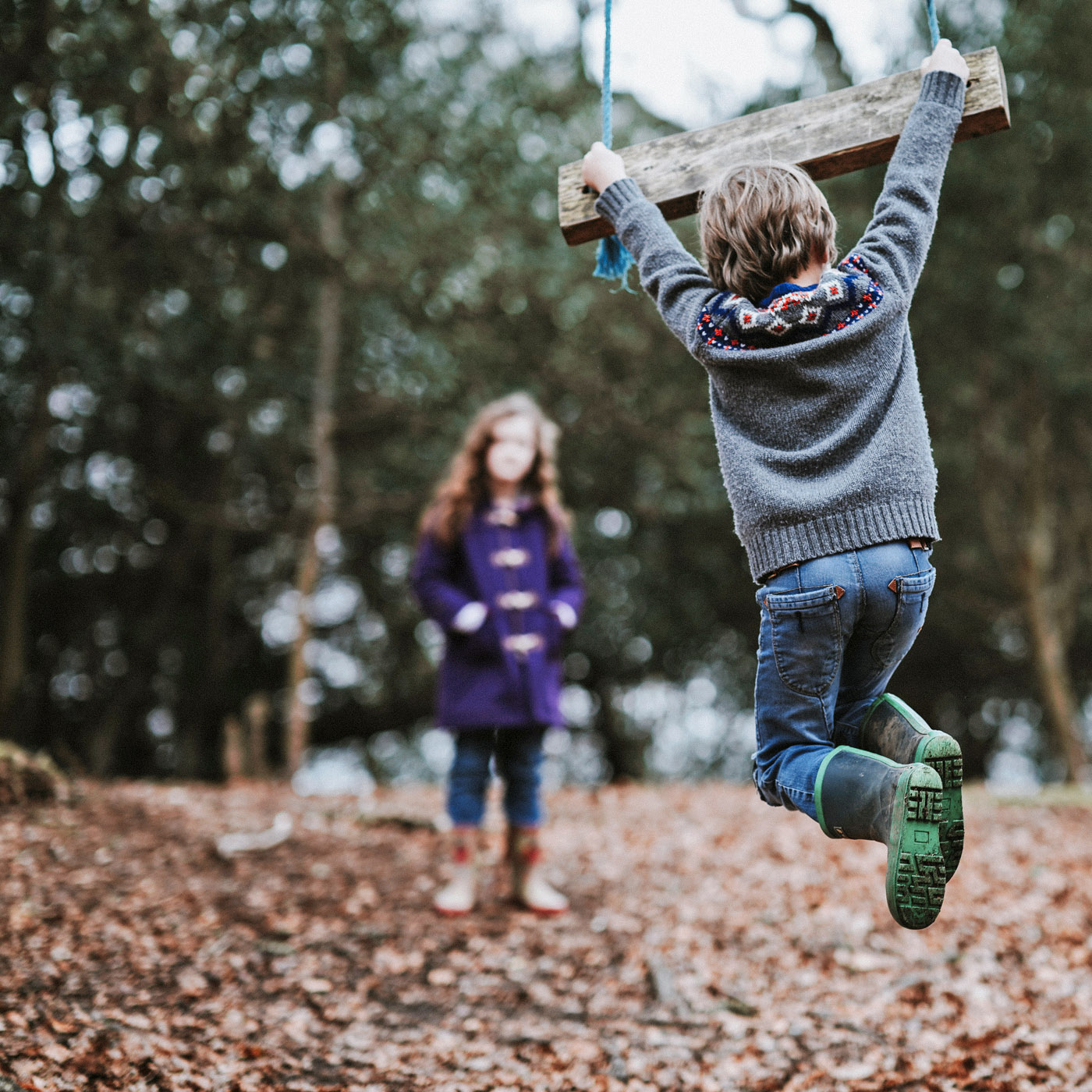
Minimalism allows kids to be more creative and imaginative in their surroundings, including nature

Many think of minimalism as a trend for adults wanting to take a breather from the fast paced, over-cluttered life they had been stuck in. In actuality, however, it is a lifestyle that benefits all generations. The youngest members of a family, the children, may in fact be the most impacted by minimalism. The habits they form early in life will set them up for success in a variety of ways.


HOW MINIMALISM BENEFITS KIDS

One of my resolutions for this year is to look for inspiration from those who have gone on this journey before us. By reading about other families experiences, and observing our own children through this transition, I have found the following to be the top ways that minimalism benefits kids.


FEWER DISTRACTIONS

We all know that spending time in a clean space can lead us, as adults, to be productive. When children live in a clean home they are also better able to better focus on tasks. Homework, for example, is much easier to tackle when the child isn’t tempted by a mountain of toys or variety of video games.

The benefits that minimalism gives kids includes fewer distractions and improved focus

Distractions can present in a variety of ways. Though we think most often of physical distractions, other obstacles such as worrying can divert just as much attention. The stress that is relieved by not having to deal with, clean, and keep track of un-necessary items or events is important to note as well.

Fewer distractions also means that there is room for focused attention. Your child may find that they have a knack for sewing, a love for reading, or a passion for acting. By eliminating the unwanted distractions in life, they can better focus their energy on the things they love.


LESS LIKELY TO LOSE THINGS

How many times have you been ready to leave the house when your child complains that he or she can’t find a shoe or backpack? The sudden scramble to find the missing item quickly escalates into hard feelings between parent and child. Feelings that can easily be avoided.

It’s no secret that items are easier to find when they are given a ‘home’ and are returned there after each use. This is a technique that parents can set up and encourage their children to follow. Of course, there will be some trial and error, but the benefits of this habit are worth the effort.
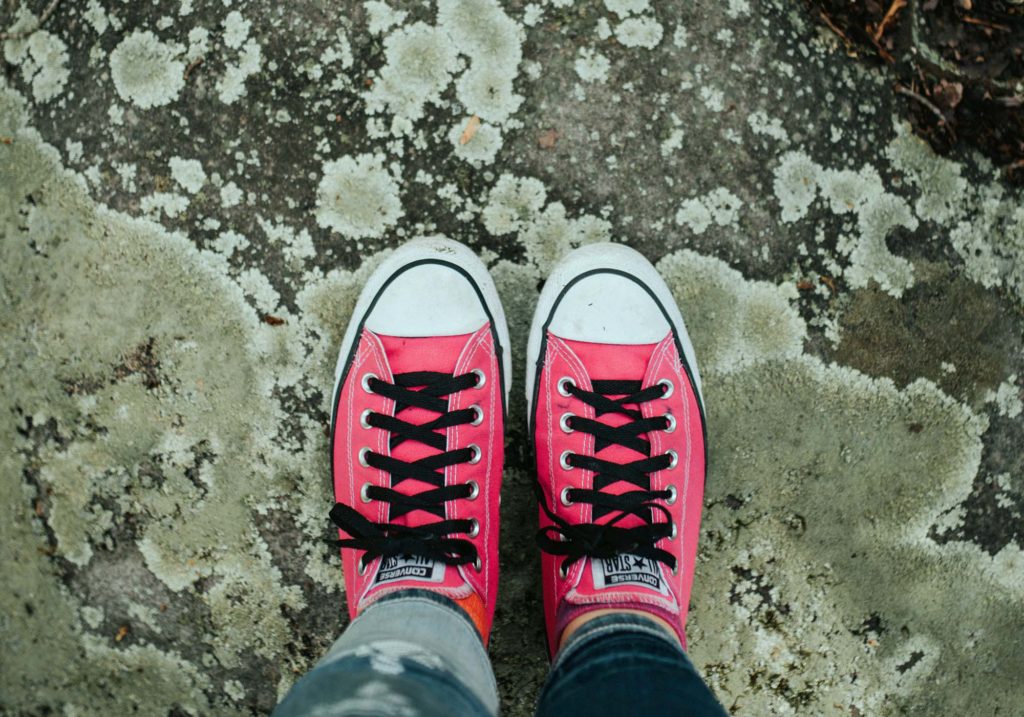
Minimalism is helpful for kids in many ways. This article discusses the top ways that living a simplified lifestyle with your kids can help set them up for a future of success

A child is more likely to take better care of, and track of, their personal belongings when they see them as being important. One shoe missing of fifteen pairs owned probably won’t seem like a big deal to them. Grabbing a different pair out of the pile is easy. But if the child owns only two or three pairs, the loss of a shoe will make a much larger impact.


MORE CONFIDENT DECISION MAKERS

It is easy to become overwhelmed when faced with a lot of choices. As adults, we are faced with many decisions each and every day. What should we wear? What should we eat? Is this event something I want to attend? When children are given too many options they can become mentally paralyzed, worrying about making the right choice.
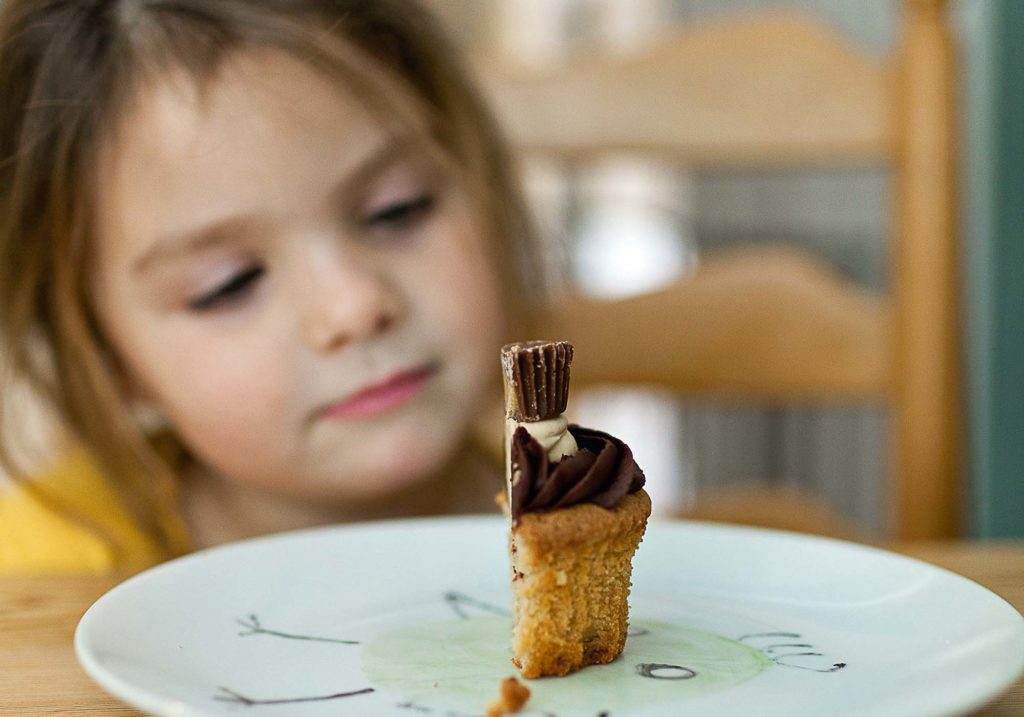
The positive ways that minimalism benefits children.

In this way, fewer choices can actually help children become more confident in their decision making. Choosing one shirt to wear from four options is much easier than choosing from a pile of forty. Each successful decision made will add to the child’s confidence. This confidence will then spill over into more important life decisions, such as choosing relationships that are healthy and behaviors that are productive.


BLOSSOMING CREATIVITY

One of the most frequently listed minimalist benefit for kids is their ability to be creative with the things they have. Children have the amazing gift of imagination. Surrounding them with too many play things that ‘entertain’ them actually hinders and stunts their ability to be imaginative.

Some of the best toys that you can have on hand for your children include those that promote open ended play. Wooden blocks that can become roads, towers, or dining plates. Art supplies that can be manipulated into endless creations.
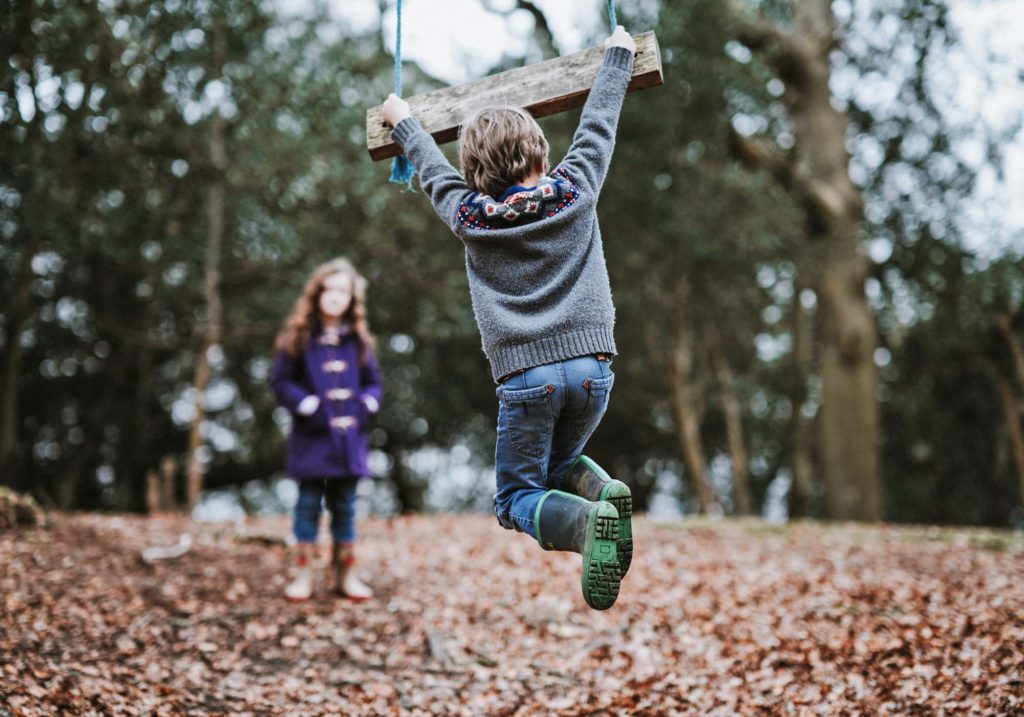
Kids who participate in the minimalist lifestyle see so many benefits that will help them throughout life

Many minimalists also note that with fewer toys their children spend much more time outdoors. Outdoor play has many benefits, including the access to fresh air and natural vitamin D. Creativity also blossoms in nature, especially in the use of large motor skills. Fort building, scavenger hunts, or an exciting game of hide and seek in the woods are just a few examples.


IMPROVED SHARING ABILITY

Minimalist children tend to be less possessive and have a lowered sense of entitlement. That’s not to say that they won’t still admire items when walking through a store, for example. The difference is that though they may voice their pleasure of an item, they don’t long for it in an unhealthy way.
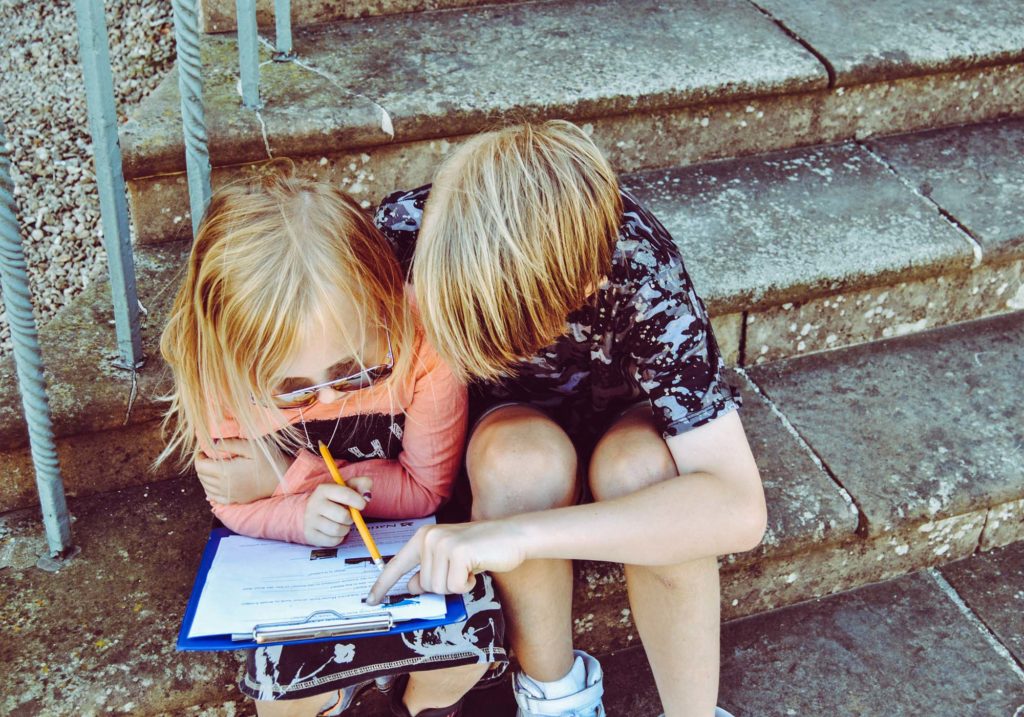
Minimalist benefits for children include siblings ability to share

Because they understand that things are just things, it isn’t as difficult for them to share with their siblings, for example. They know that even if the item breaks or gets damaged in some way, it won’t be the end of the world. Kids who grow up in a minimalist environment learn early on that happiness doesn’t come from what you own.


STRONGER RELATIONSHIPS

When it comes right down to it, I firmly believe that the main goal of minimalism for most people has less to do with belongings and more to do with relationships. And so, it is wonderful to note that one of the greatest benefits that minimalism affords children is a stronger bond to those they are close to.

Minimalism helps to form stronger relationships between children and their parents

That age old sibling rivalry of making sure everything is ‘fair’ begins to break down. No longer are they concerned about having more, because they realize that more doesn’t always mean better.

The time commitment that parents may have been spending handling all their belongings is lessened through minimalism. Those hours are re-allocated as quality time with their spouse and children.

These stronger bonds create a more open dialogue between all family members. Since it is no longer the norm to hide junk behind cabinet doors or under the bed, the hiding of secrets or emotions isn’t commonplace either.


FAMILY MINIMALISM MOVEMENT

There are many families who are shifting their focus to live a more minimal lifestyle, in an effort to regain time with each other. These families realize the importance of their relationships over belongings. I have teamed up with a group of blogging moms who are on this journey and have seen how minimalism benefits kids. Check out their blogs and social media accounts for additional tips and encouragement!


Not Your Average Fox | Minimalist Hospital Bag Essentials

Little Me + Family | Minimalist Baby Play Area

Faith and Family Farmhouse | Becoming Intentional With Toys

This Corbett Life | Embracing Minimalism Through Motherhood


HOW MINIMALISM HAS BENEFITED (OUR) KIDS

In this video I discuss examples of some of the ways our own five children have benefited from a more minimal and simple lifestyle.

We are excited to continue on this path, especially as we move into our new home, Arrow Hill Cottage. This home has been designed to meet our basic needs in an efficient way. Any luxuries that it includes have been well thought out and deemed beneficial for individual family members as well as the family as a whole. Moving into this new home will mark a major, pivotal shift for our family. I would love it if you could follow along with us on this journey. We should be breaking ground and begin construction in just a couple of months!


WHERE TO START FOR KID MINIMALISM

It all starts with you. Behavior modeling is so important and impactful for children. They will see your mood change as you clear the clutter. They will realize how much more time you have for them. When mom and dad are no longer arguing about all the junk laying around, they kids will notice.

And at some point along the journey, the kids will realize that this isn’t just something that parents do. It is something that families do. Families that care more about each other than material items. And they will ask what they can do to pitch-in on the effort.
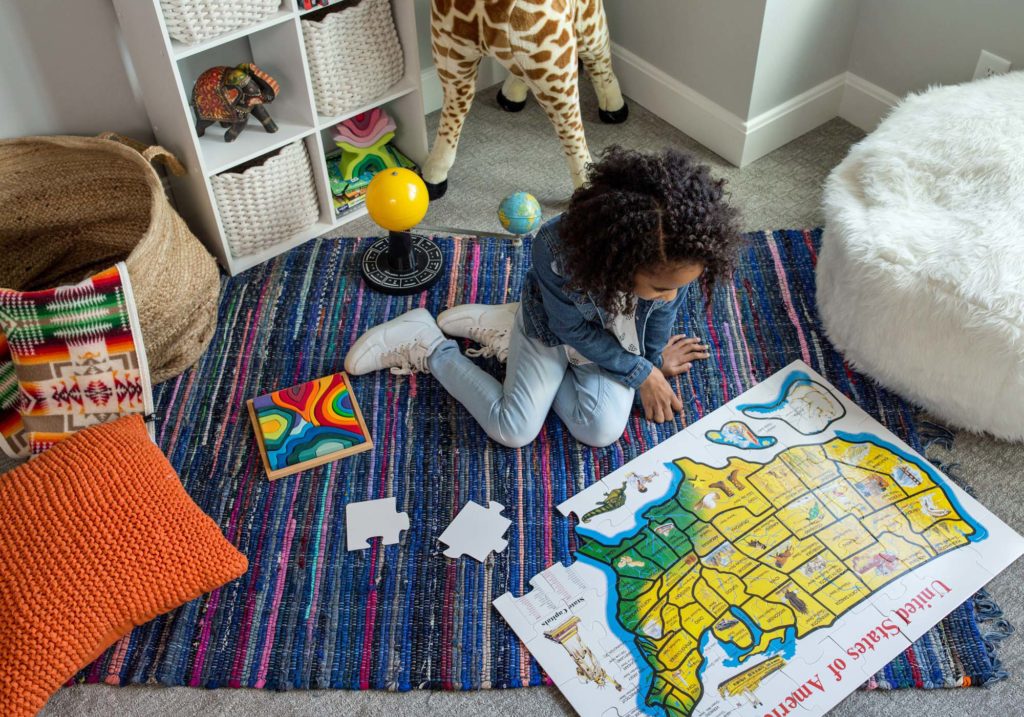
How minimalism benefits kids. The ways that a simplified lifestyle helps set children up for success

Then, help them go through the toys. You will likely be blown away by how easily your children are able to choose which items to keep and which to part with. The truth is that, for most kids, many of the items they claim as theirs came by way of your pocketbook. Their attachment to them is only surface deep. Either they play with it, or they don’t. Let them make these choices and you will see a snowball effect when it comes to other categories, such as clothing.


PIN THESE INSIGHTS

Thinking about a more minimal life for yourself and your family? Use these insights about how minimalism benefits kids as motivation to take the leap! In the end, you will end up with fewer things, yet so much more overall.
minimalism for kids - the benefits of a simplified life


NEW MINIMALISM | BOOK REVIEW

Looking for an inspirational book to read? I might have just found the perfect one! This review of the book New Minimalism discusses the overarching topics and tips presented by the authors. All opinions are my own and I was not compensated in any way.

minimalism book review. This is one you will want to read!

This post contains affiliate links. As an Amazon associate, I earn from qualifying purchases. See my full disclosure here


As part of my recent New Years goals, I am looking for inspiration. In particular, in regards to our family’s journey toward minimalism. I know it will be helpful to learn from others who have gone before us. By seeking out people who have been successful in a similar situation, we can be encouraged to continue on.

Right before Christmas break from school, I took our five children to the city library. It was my intention stock up a good supply of reading material to use during the cold days indoors. As we walked in, I noticed a small table set up with books about goal setting, organizing and intentional living. Within that grouping, I spotted the book The Life Changing Magic of Tidying Up by Marie Kondo. This book has been on my reading wish list for a while now. I quickly grabbed it and put it in the library bag.

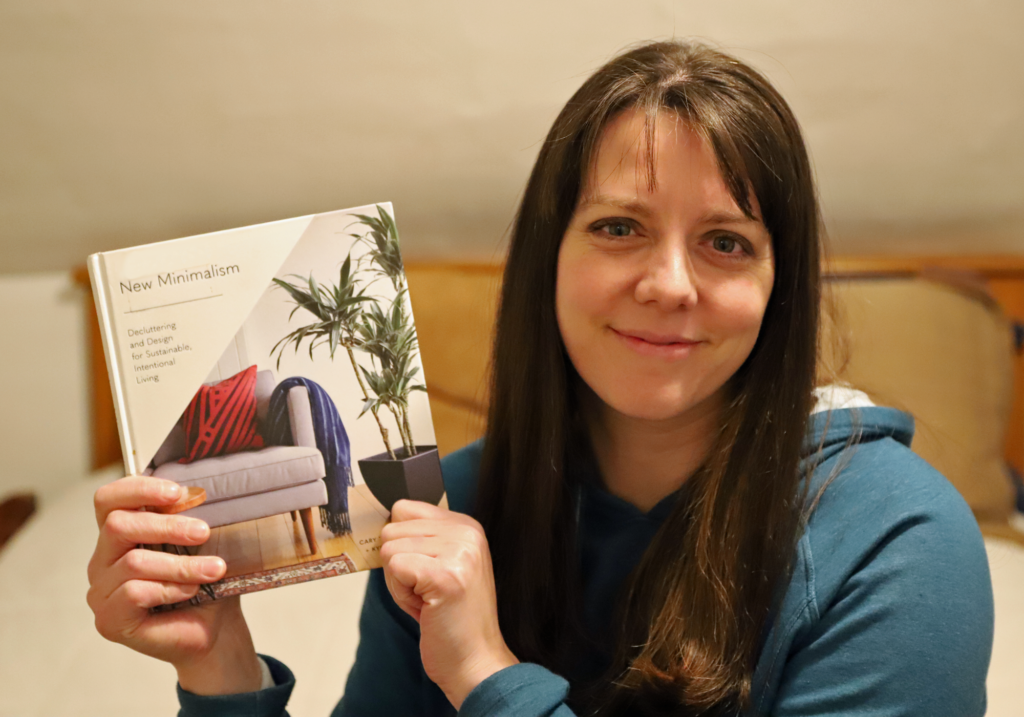
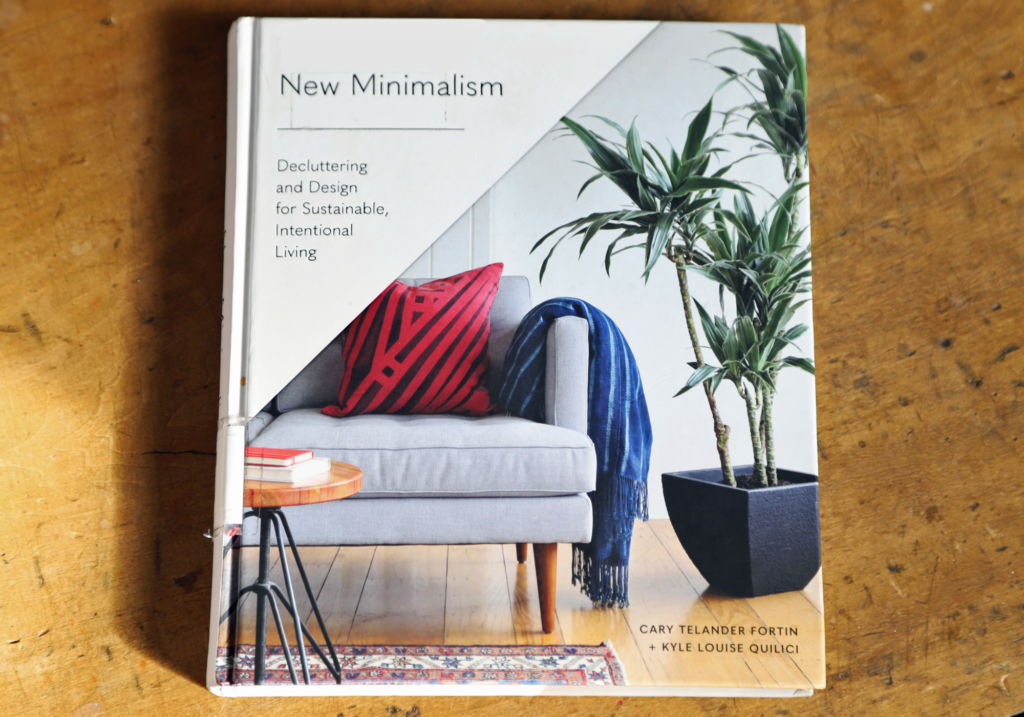
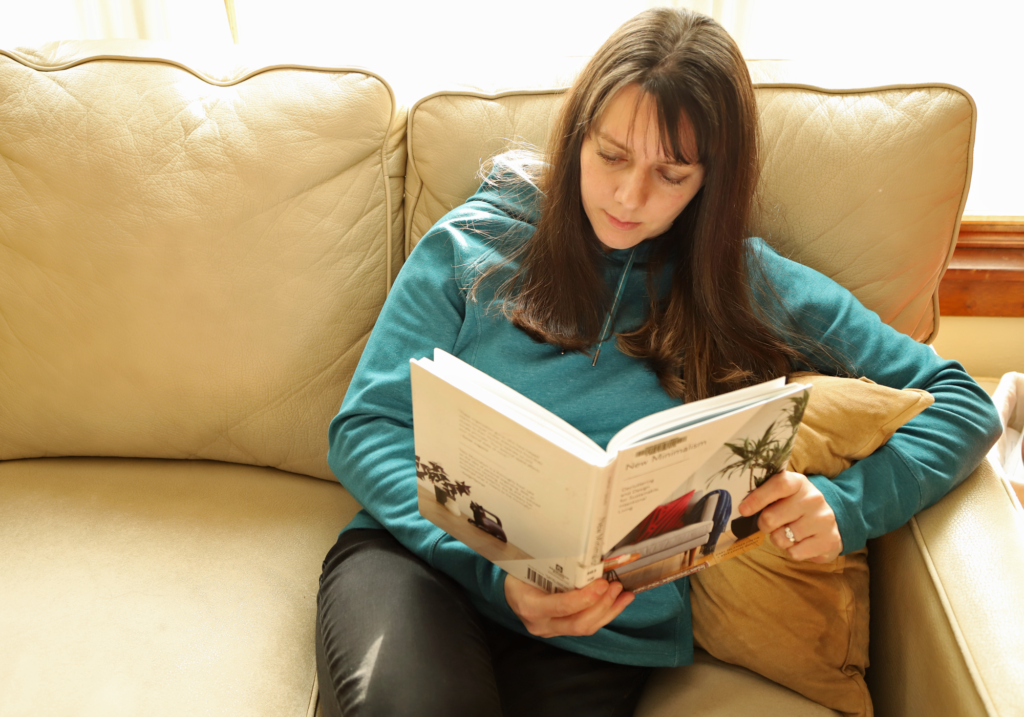
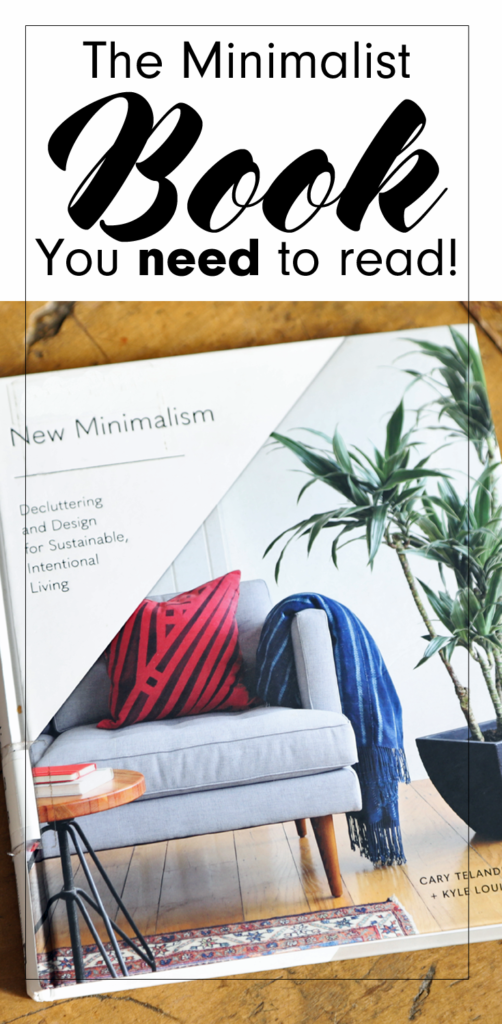
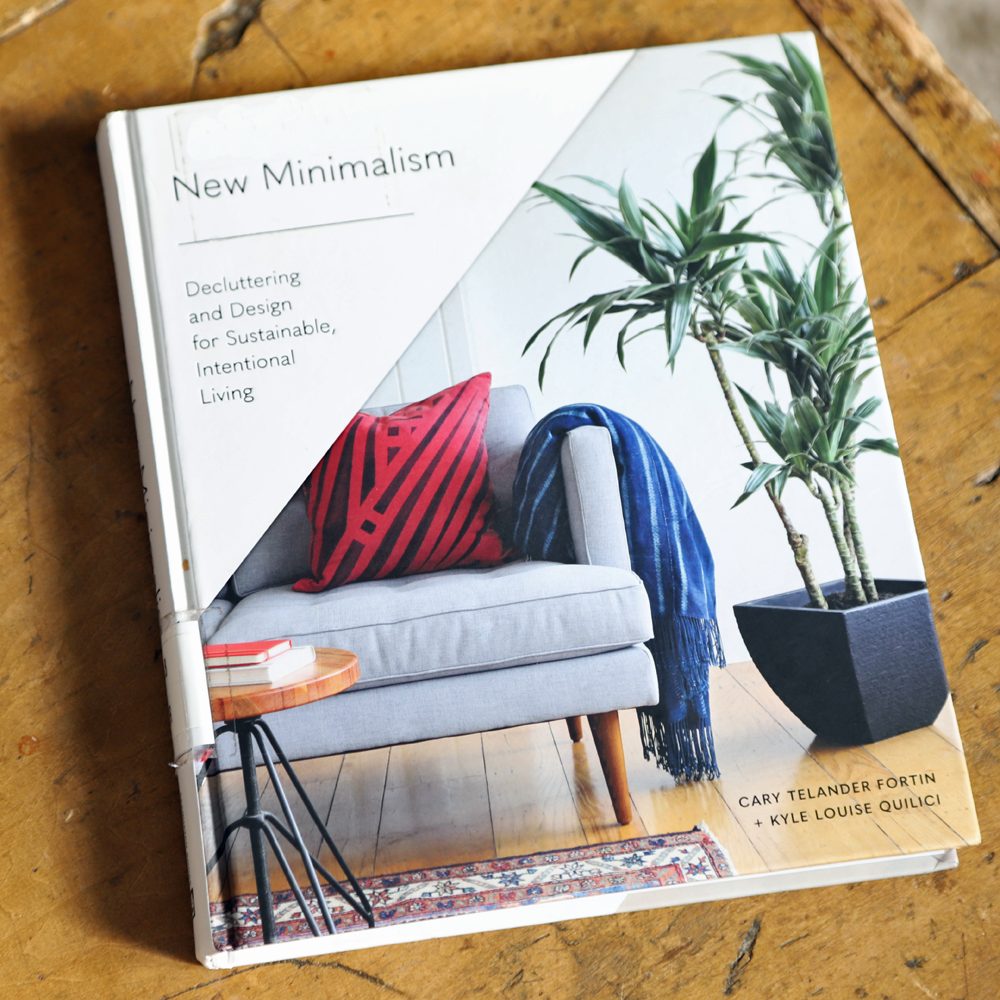
Then, I saw another book. One I hadn’t heard of. The book was New Minimalism, written by a pair of friends – Cary Telander Fortin and Kyle Louise Quilici. The subtitle of the book drew me in. ‘Decluttering and Design for Sustainable, Intentional Living.’ Yes please! Into the bag it went.

book review of New Minimalism


AUTHOR BACKGROUND

Cary and Kyle met through carpooling. Both ladies were beginning their journeys toward a more simple lifestyle, and spent their drive time comparing notes. Through the following months, their friendship began to blossom. So too did their commitment to providing others with this newfound information they had regarding minimalism. Ultimately, the pair began a home organization business that grew into an online presence.

Their website newMinimalism has helped countless clients declutter and organize their lives. Simply put, these gals know what they are writing about. More important than that, they have a passion for their mission.


THE PREMISE OF THE BOOK NEW MINIMALISM

Right from the start of the book, the authors make it clear that they wish to dispel a common misconception about minimalism. That SIMPLICITY was synonymous with SACRIFICE and DISCOMFORT. Through their many years of experience working with people from all walks of life, they have found quite the opposite to be true.

By removing unused items from their lives, their clients have experienced peace and saved money. They have felt liberated and more joyful, and developed more meaningful relationships. I’d say those are all great reasons to embark on a more minimal life!

Diving into the book New Minimalism. Great inspirational book about decluttering and simple living

Throughout the book, the authors are encouraging their readers to look at the aspects of new minimalism as a way to understand your personal values. And, in turn, observing how those values are reflected in your physical space. They offer their clients a simple statement and question.

Your external space reflects your internal state. What does your home say about you?


THE FOUR ARCHETYPES

While working with a variety of personalities through their years as home organizers, Cary and Kyle have recognized four distinct patterns of behavior, or archetypes.

They are careful to note that these archetypes are not mutually exclusive. Rather, they are what people tend toward, depending on the situation. However, you are likely to find that one behavioral pattern is your personal default most of the time.

I found this section of the book particularly insightful and helpful. Understanding the habits that you tend toward will make it easier for you to more effectively minimize clutter in your life.


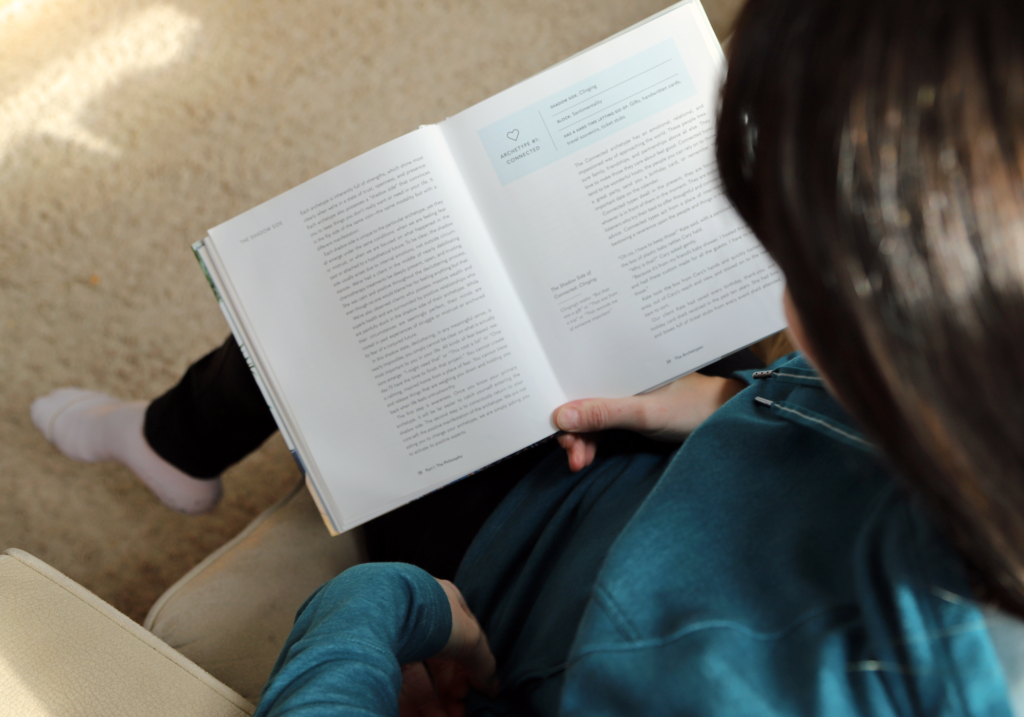
ARCHETYPE 1: CONNECTED

connected archetype from the book New Minimalism

This person generally has a hard time letting go of personal items that have memories tied to them. They tend to be great listeners, reliable friends, and compassionate. The connected individual is highly sentimental.

Connected people have a hard time letting go of : gifts, handwritten cards, and souvenirs.


ARCHETYPE 2: PRACTICAL

practical archetype from the book New Minimalism

Practical people are logical, data-driven, and methodical. They have a factual way of looking at the world. They find joy in finding creative ways to improve a scenario or solve a problem.

Practical people have a hard time letting go of: art + craft supplies, scrap materials, and anything that might be useful for a future situation.


ARCHETYPE 3: ENERGETIC

energetic archetype from the book New Minimalism.

This person is creative and in a constant state of learning. A go-getter who has a hard time saying ‘no’ to a anyone who needs help. New projects are irresistible to them.

Energetic people have a hard time letting go of: projects, personal and social commitments.


ARCHETYPE 4: FRUGAL

frugal archetype from the book New Minimalism

This person tends to plan for the future, while rooted in the present moment. Frugal people tend to be very intentional about not only how they spend their money, but also their time.

Frugal people have a hard time letting go of: anything with monetary worth or perceived rarity.


This particular part of the book was very eye opening for me. I immediately knew that I fit the Energetic Archetype perfectly. I am often eager to start a new project, but will admit that following through is sometimes difficult. There is just something in me that loves the thrill of the creative beginning of a project. The finishing of the project isn’t as exciting. To be honest, often times by that point in the process, I am already looking toward the next new thing that can be started.

The second archetype that I align with is Practical. Because I love starting up new projects, I like to have supplies readily available. This is why my craft room is a giant mess, and in need of a major declutter.

I read the above descriptions to my husband, and he claims to most relate to both the Practical and Frugal archetypes. Absolutley, I agree.

The authors do a wonderful job of providing questions you can ask yourself while you are decluttering and minimizing, based on what behaviors you tend toward. By knowing your archetype, I truly believe you will understand how better to simplify your life.


THE DECLUTTERING PROCESS

The authors of New Minimalism offer a process of decluttering your spaces. Similar to the KonMari method of decluttering, this book recommends that items be dealt with by category. Seven specific categories are outlined. In addition, they recommend that items be dealt with in a specific order. They always start client decluttering sessions with clothing and end with furniture and home decor.

book review of New Minimalism. Sustainable and intentional living

Their reason for the particular order is outlined in the book. Each category is given a section of the book, full of tips and best practices.

The authors also discuss how to be successful in the overall decluttering process. They offer encouragement on preparing, both mentally and physically, for the task at hand and include tips on how to enlist help.


CLEANING PRODUCT SOLUTIONS

Through their years in the industry, Cary and Kyle have encountered a wide variety of cleaning products. What they have come to find is that simple products are often the best. As a result, they have developed their very own formulas. Recipes for homemade wood polish, shower + toilet scrub, and an all purpose cleaner are all available in the book.

I definitely want to make the switch to a more natural way of cleaning, and will be giving these recipes a try! It would be amazing if I could make my cleaning routine at Arrow Hill Cottage toxic free!


NEW MINIMALISM DESIGN PRINCIPLES

This book offers up twelve design principles to think about when putting your new decluttered space back together. I won’t be writing them all here, but I do want to share the two that I love most.

The first is that we should redefine our definition of ‘full’. New Minimalism defines ‘full’ as a state when the confines of a drawer, cabinet, or closet have ample space to be seen and can be accessed with ease. Be mindful that when you overfill your spaces, items will be easily forgotten and, therefore, not useful. For example, I witnessed this firsthand when decluttering our linen closet. It was shocking to me that a very personal and special item was hidden below piles of unused towels and blankets. Never again.

finding inspiration in the book New Minimalism.

The second principle that I plan to practice is to ‘allow one to stand for many.’ In a nutshell, this principle is addressing meaningful keepsakes from our past. The authors challenge their readers to seek out pieces that represent special memories, instead of trying to save everything.

There is a wonderful quote in the book by decluttering expert Karen Kingston. She stated: “When you are surrounded by more than 50 percent of belongings that remind you of something from your past, you will continue to live in the past.” That’s a powerful statement!


FINAL THOUGHTS ON THE BOOK NEW MINIMALISM

This book is a thorough approach to decluttering and simplifying your life. It is not your average organizing book. The fact that it offers holistic insights to the WHY behind the clutter makes it so much more. The authors are insightful and clear on their thoughts. However, they also recognize the dynamics of human nature.

I very much appreciate that the book isn’t laid out as a ‘one size fits all’ formula for each and every situation. We are all unique and, as such, our journeys toward minimalism will look different.

In conclusion, I most definitely recommend this book. It is one of the best I have read in this genre!


VIDEO BOOK REVIEW OF NEW MINIMALISM

Watch me talk about my thoughts on this book. I am planning on implementing what I have learned in my own life, and go into that more deeply in this video.


PIN THIS BOOK REVIEW

If you are considering a minimalism journey of your own, I highly recommend this book. Pin this image as a reminder to buy this book, or borrow it from the library. It will be worth your efforts, I promise!

Again, the book is New Minimalism, and can be purchased HERE.

the minimalist book you need to read! So much insight and guidance on how to live a more sustainable and intentional life by decluttering.