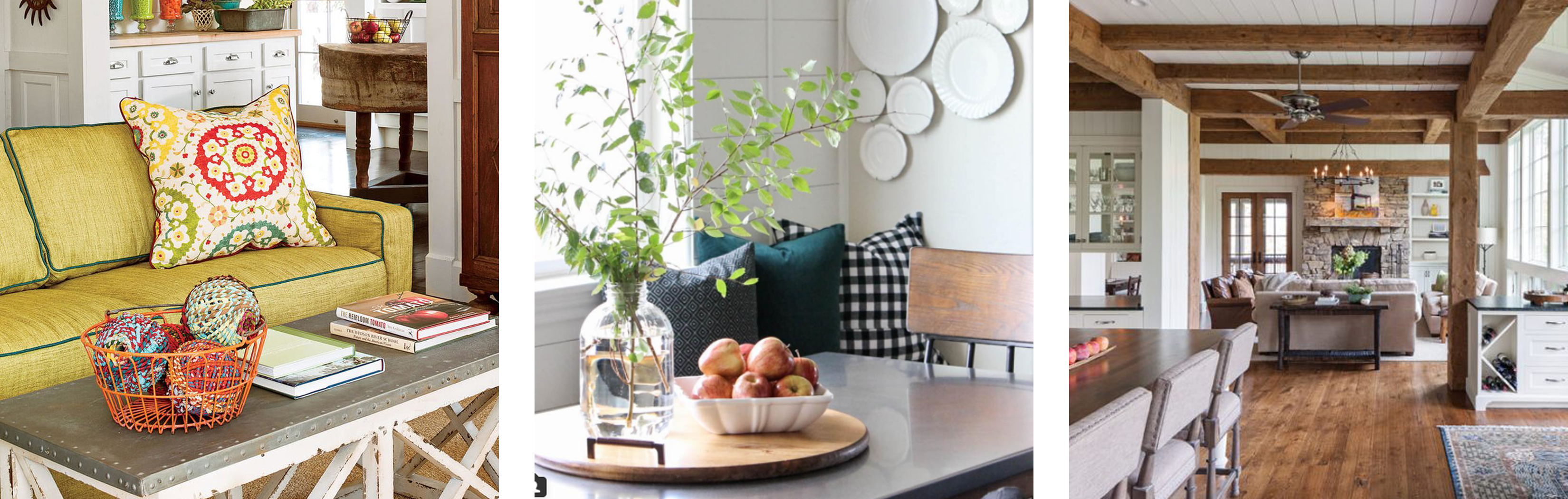
Learn about the main elements of the Colonial home style in this article. The history of the Colonial Home is important to the fabric of America.
Welcome to another installment in the ELEMENTS OF HOME series. Each month I showcase a different residential home style here on the blog.
It is my hope that this information teaches you a little something about each style. In addition, I believe that these guides can be useful if you are designing or searching for a new home.
Today I overview the Colonial home style. I include the history of the style and what makes it unique.
HISTORY OF THE COLONIAL HOME STYLE
The Colonial home style is traced back to England, where most of the U.S colonists emigrated from. A large portion of London burned in the year 1666. After the disaster, several architects influenced the city’s reconstruction.
British architects Christopher Wren, James Gibbs and Robert Adam were at the forefront. Their combined architecture was based partly on Roman and Greek ruins. Therefore, influences such as geometric proportions and large columns are seen in Colonial home design.
Most of the original Colonial homes built in the early years have been remodeled. Others are used as historic examples, as museums for example.
It is far more likely that the Colonial homes you see today are Colonial Revival. In other words, they were made to resemble their ancestral counterparts.
Between the late 1800’s and 1950, there was an increased interest in the architecture of early colonists. Because of this, many Colonial Revival homes were built – using more modern materials and amenities.
In this article, I discuss the elements of both the original Colonial homes and their more newly constructed counterparts.

LOCATION OF COLONIAL HOMES
There are examples of the Colonial style dotted throughout the country. Slight variations were developed to withstand environmental elements. These variations were each given their own names.
Most Colonial homes are concentrated in two main regions, the Northeast and the South. For the purposes of this installment, I focus on the New England Colonial style found in the Northeast region.
SIZE OF A COLONIAL HOME
The original New England Colonial homes were built primarily during the years 1630 to 1700. They were modest in size and began as one story structures.
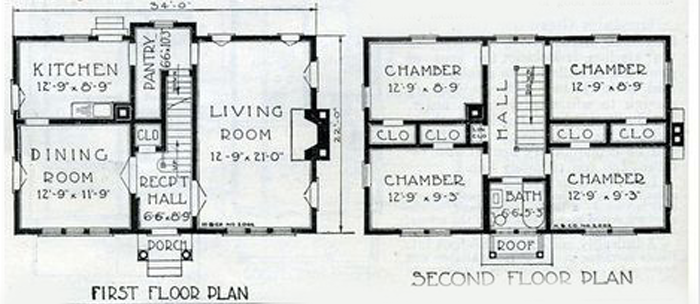
As more family members immigrated to the area, a second story was typically added. The two rooms on the main level (kitchen and living space) were then complemented by two upstairs bedrooms. A central stairway and large fireplace divide the rooms on each level.
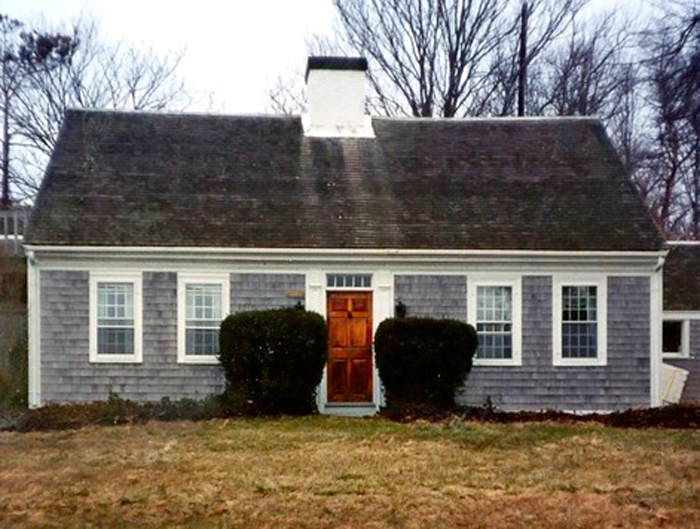
Although the size of the Colonial home increased as construction techniques improved, they continued to retain a compact rectangular form.
EXTERIOR TRADEMARKS OF A COLONIAL HOME
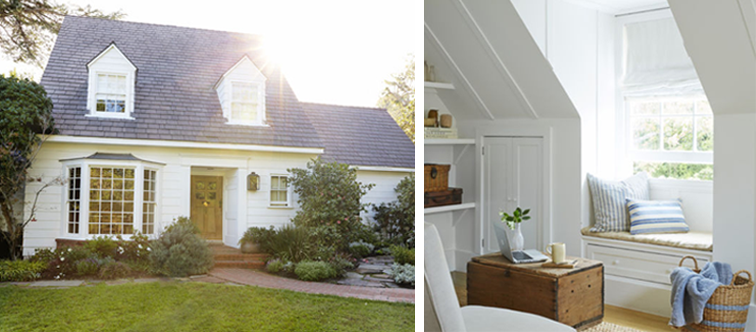
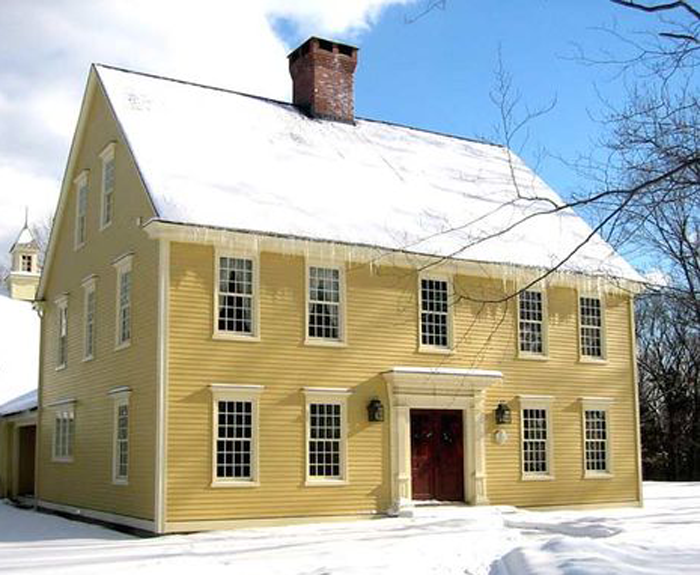
TWO STORY DESIGN: Typically, the living spaces are located on the main level and the second level is reserved for bedrooms.
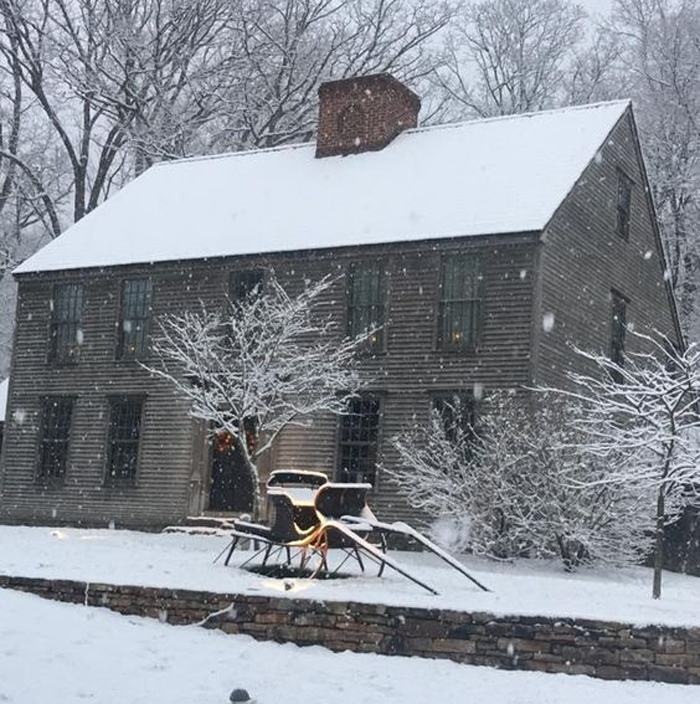
Colonial homes feature steeply pitched roofs. The pitch is essential for shedding heavy snowfall. Dormers are included in the more contemporary Colonial Revival homes.
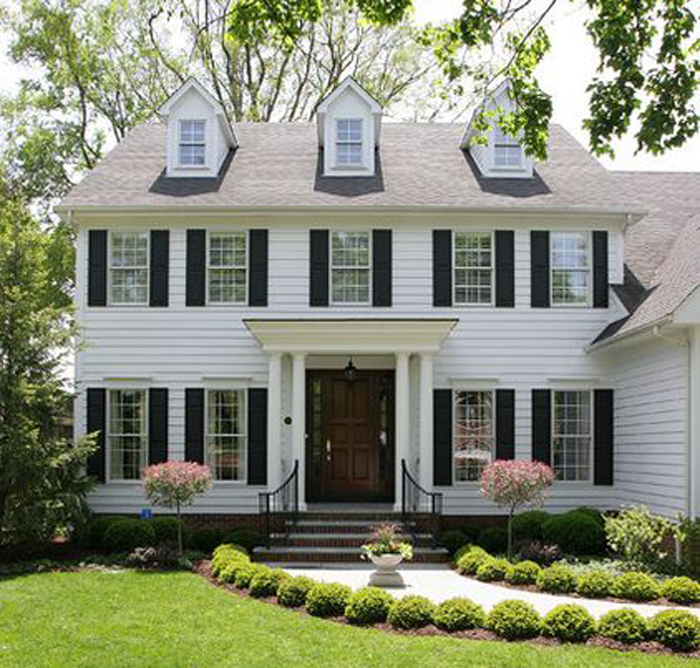
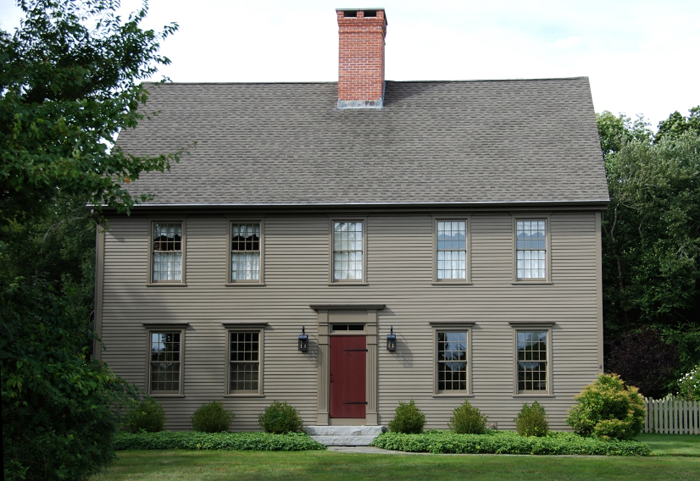
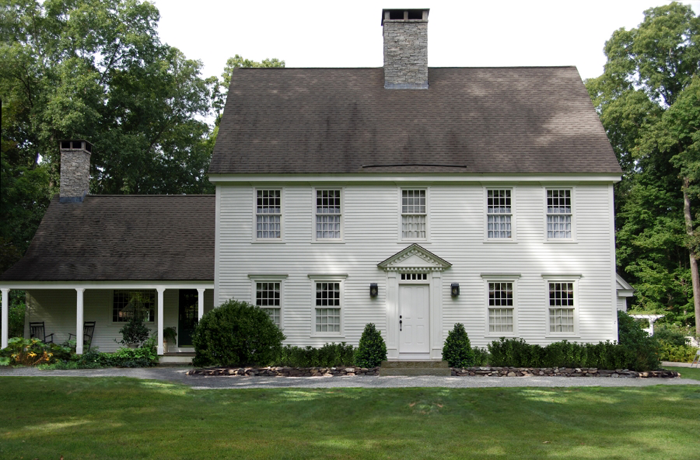
SYMMETRY: The facades of Colonial homes are almost exclusively symmetrical in nature. For example, if you were to draw a line down the center of the house, the left side would be a mirror image of the right side.
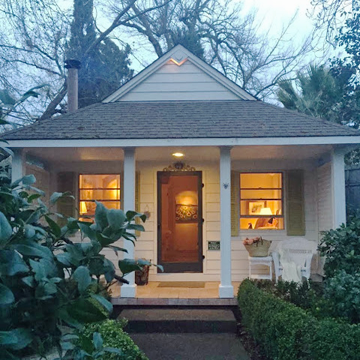
Typically the door of a Colonial Home is located in the center. Two windows are evenly placed on either side of the door on the main level.
The second level generally features five windows. Each window is positioned above it’s main floor counterpart. A central window is immediately above the door. In addition, the fireplace is also commonly found in the center, dividing line, of the house.
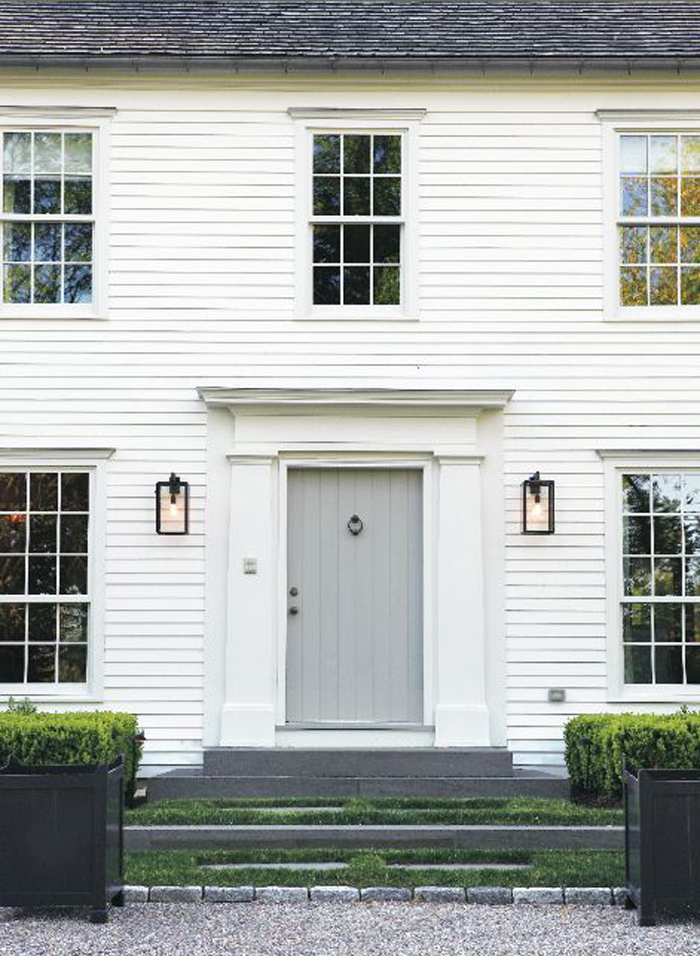
WOOD CLAPBOARD SIDING: Wattle and daub cladding was the common practice in England at the time. The American colonists made use of readily available local timber. This meant that their homes were typically clad in white pine instead.
The clapboards offer the functional aspect of shedding rainwater.
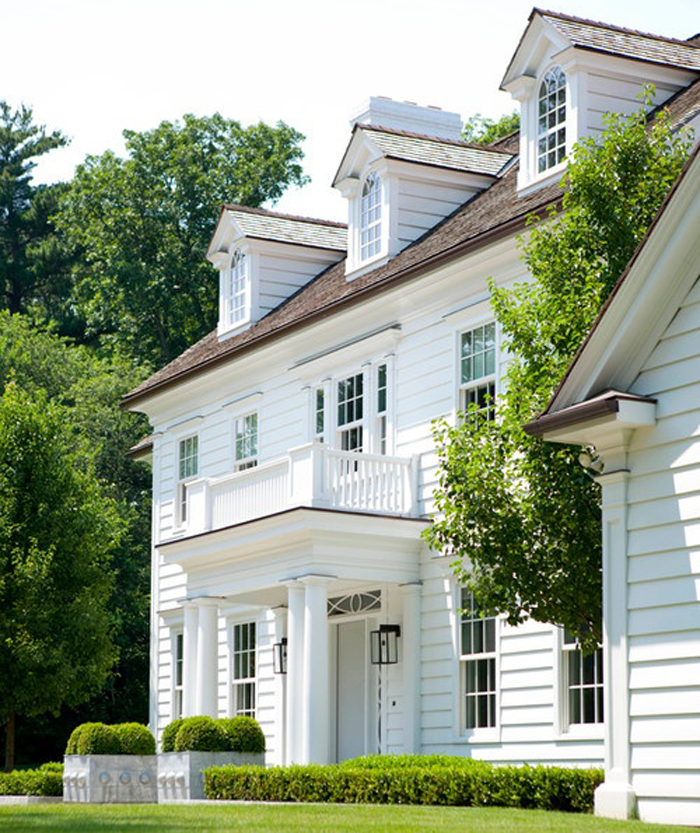
CENTRAL ENTRY DOOR: Colonial homes almost always feature a central entrance point.
The door is generally flanked by a window on either side and/or a transom window above. The original Colonial style homes did not include a porch or portico. In contrast, both were commonly added for Colonial Revival homes.
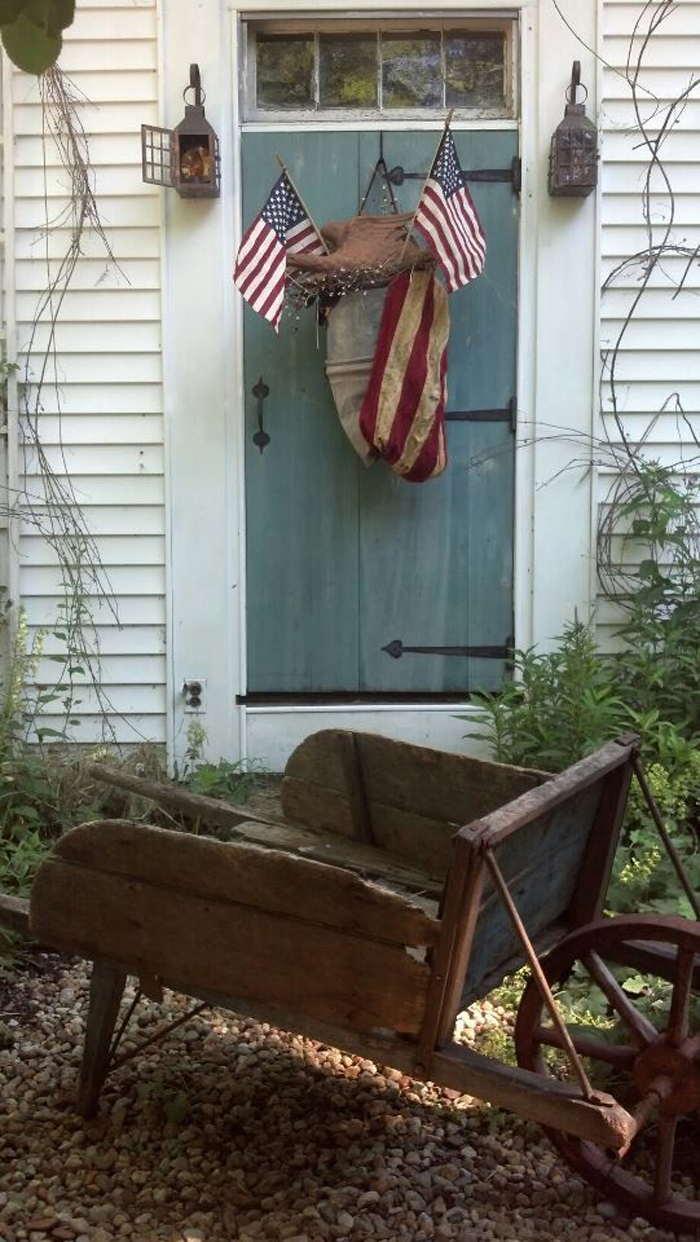
INTERIOR SPACES OF A COLONIAL HOME
The interiors of a traditional Colonial home had small windows and low ceiling heights. Because of this, most of the interiors were rather dark.
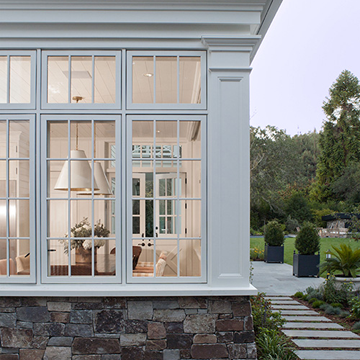
In contrast, Colonial Revival homes many times feature bay windows or a larger window groups to allow more natural light.
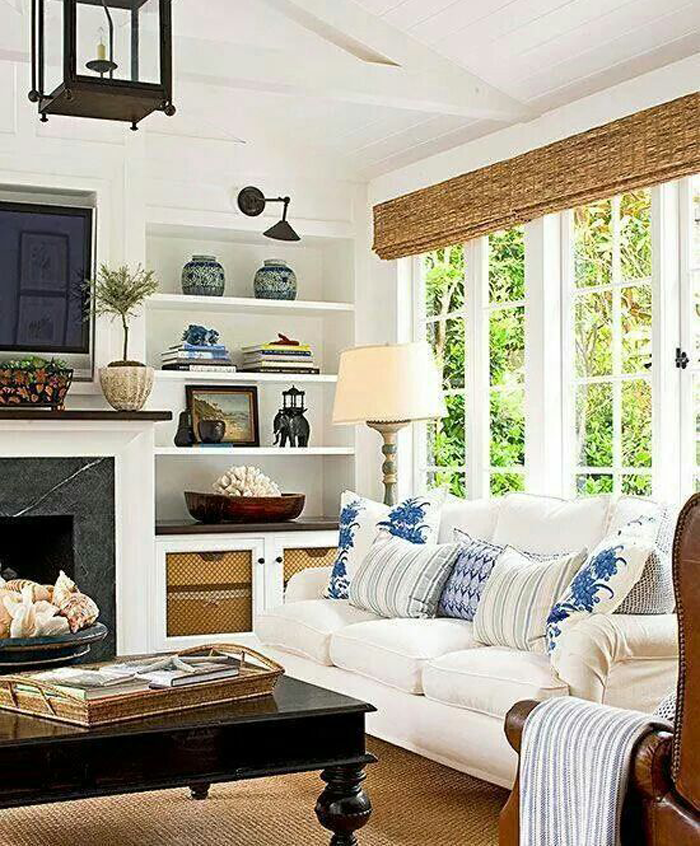
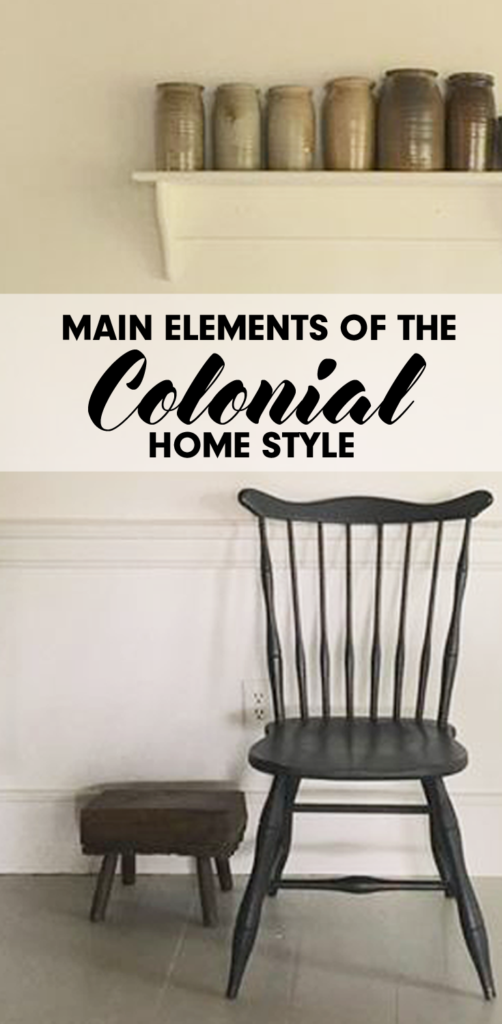
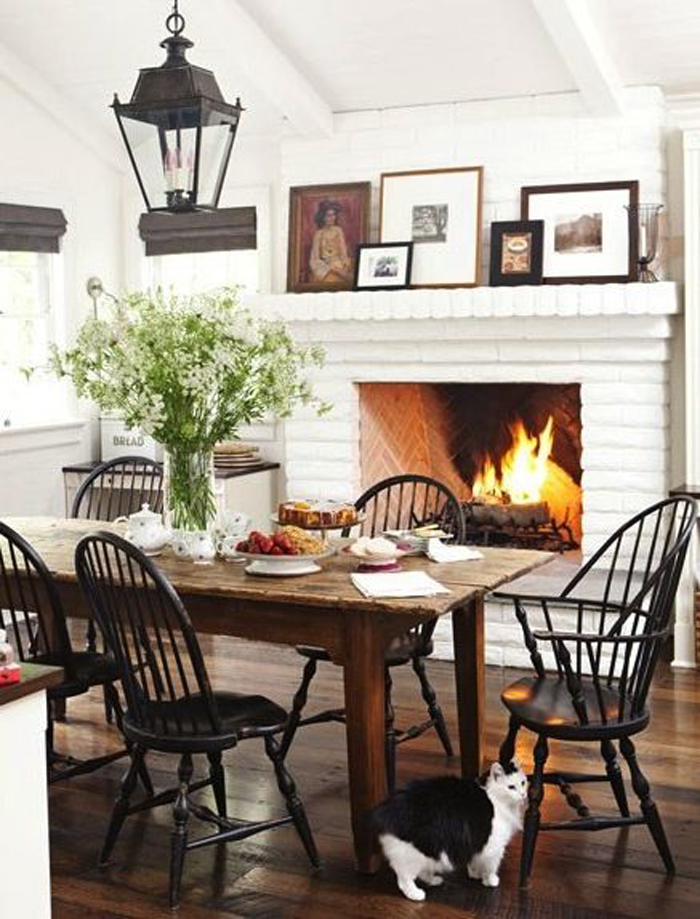
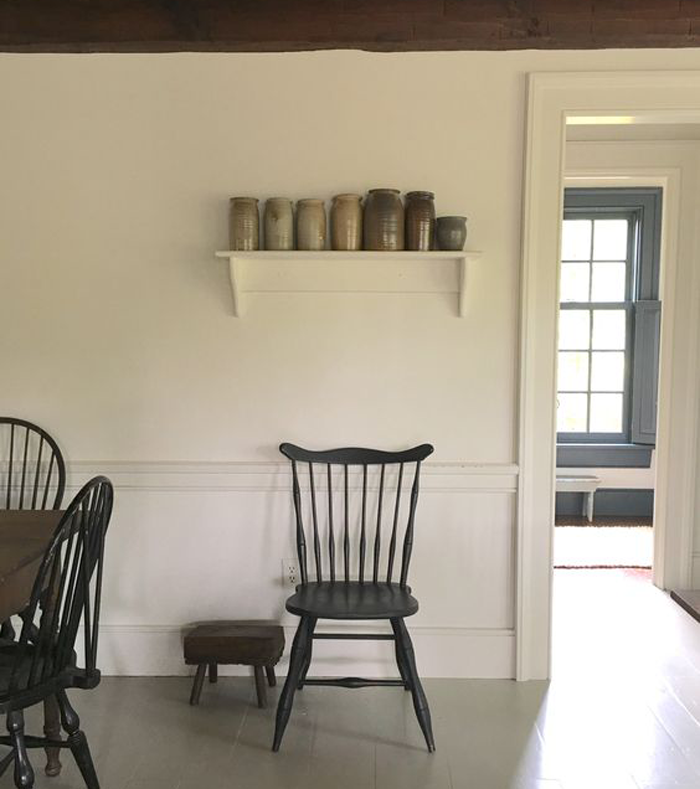
Colonial homes are often filled with simple furnishings in muted earthy colors. The Windsor chair is a common symbol of this home style. They can be found in more modernly renovated homes as well.
COLOR SCHEMES FOR COLONIAL HOMES
Paint colors essential to early Americans were mostly those derived from iron oxide. Colors such as Yellow Ochre, Red Ochre, Raw Sienna, Black, Burnt Umber, and Terre Verde were common.
These earthy tones were somewhat bold, though faded rather quickly.

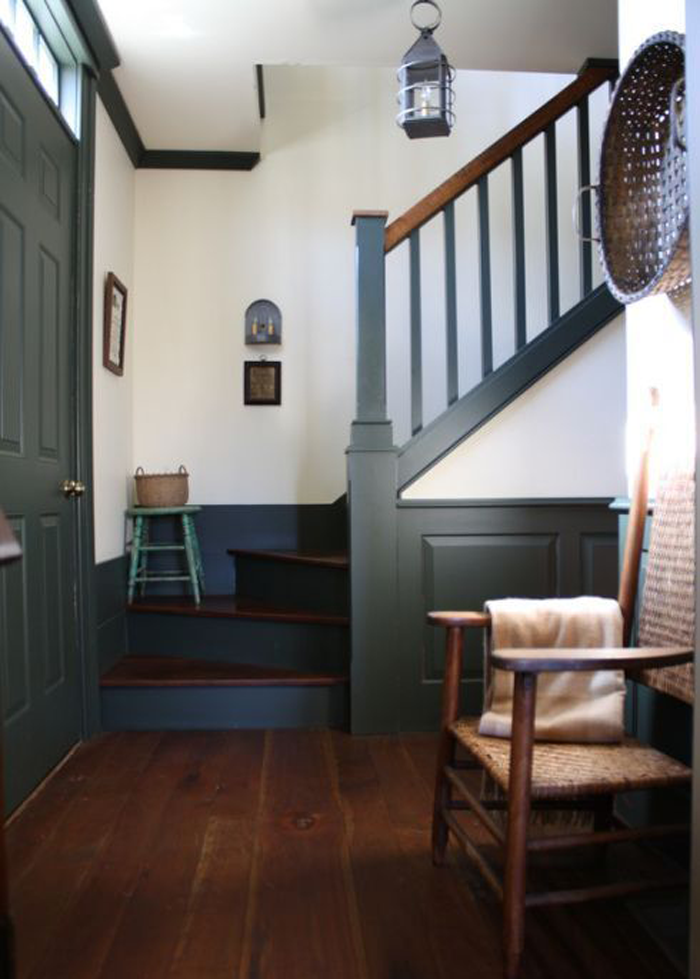
Colonial Revival exteriors are very commonly clothed in white. This crisp look is accented by contrasting black on many occasions.
COMMON FEATURES OF A COLONIAL HOME
Of course, no two houses are exactly alike. But there are design elements that are seen again and again in Colonial homes, such as these statement features:
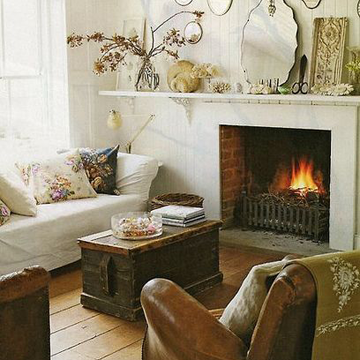
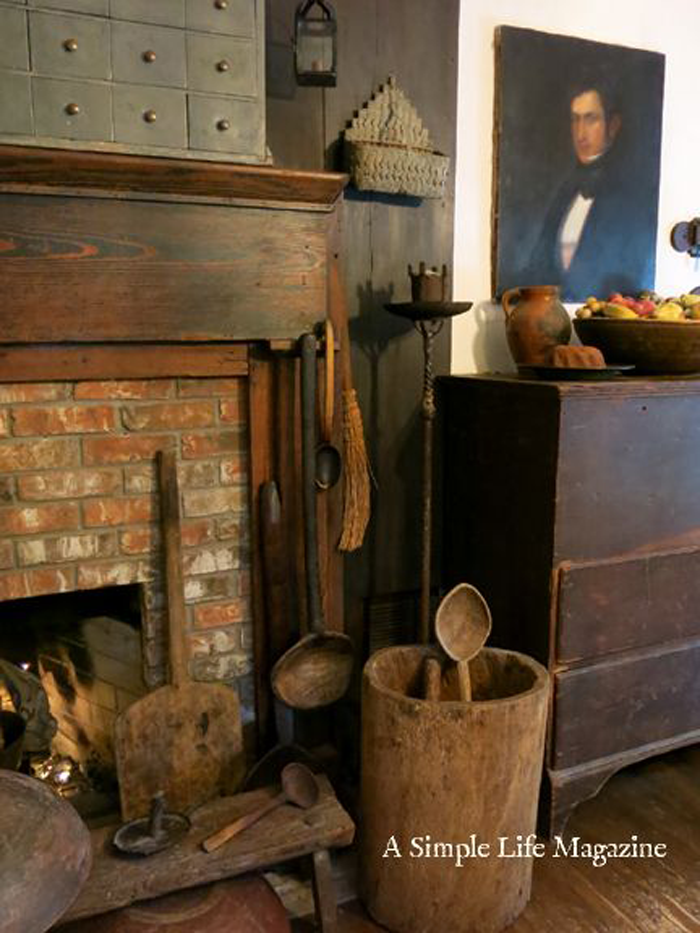
LARGE FIREPLACES & CHIMNEYS: The most efficient way to heat the homes during the cold Northeastern winters was with a large, central fireplace.
In addition, fireplaces were also used for cooking purposes. These fireplaces were very important in the early days and remain useful and fashionable in Colonial homes of a later era.
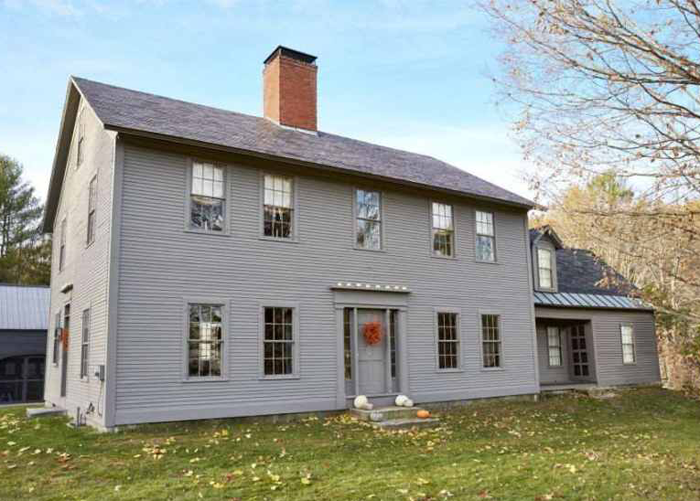
SMALL PANED GLASS WINDOWS: Glass was expensive and difficult to find. Because of this, and the primitive glass-working techniques, the glass was set in smaller panes.
As a result, windows were later flanked with operable shutters, which would be closed when bad weather arose.
Newly constructed Colonials today will many times include stationary shutters, which serve an exclusive decorative purpose.
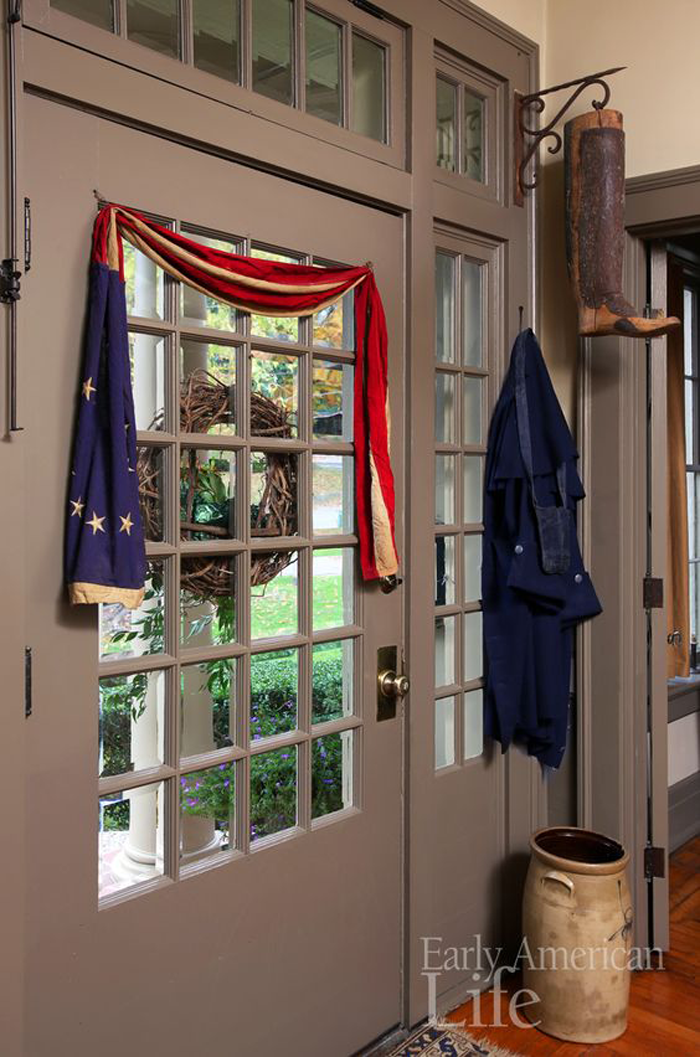
INTERIOR DECOR FOR COLONIAL HOMES
The early colonists believed in a simple lifestyle. Because of this, the pieces they did include inside their homes had a purpose for everyday living. They added little to nor adorning decorations to their interiors.
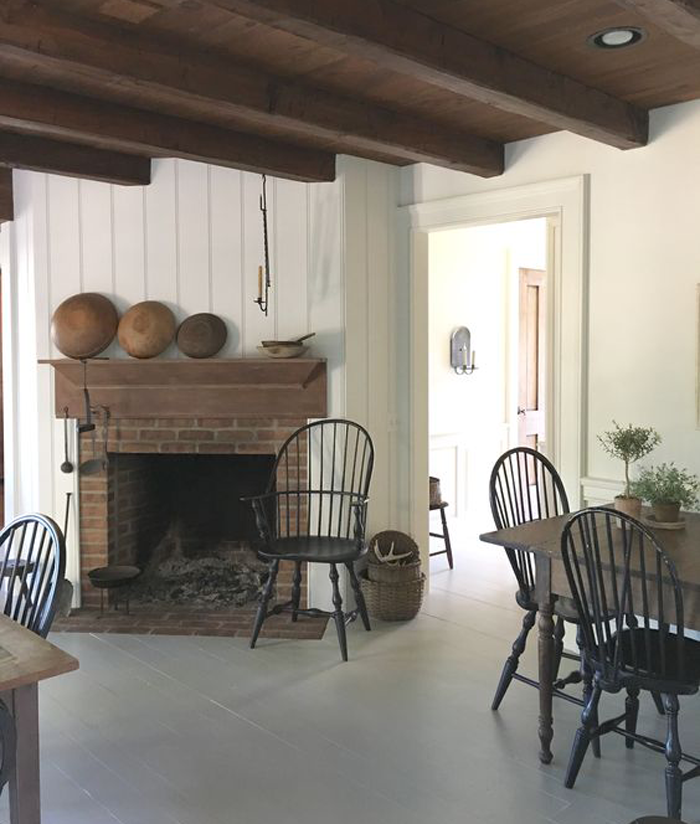
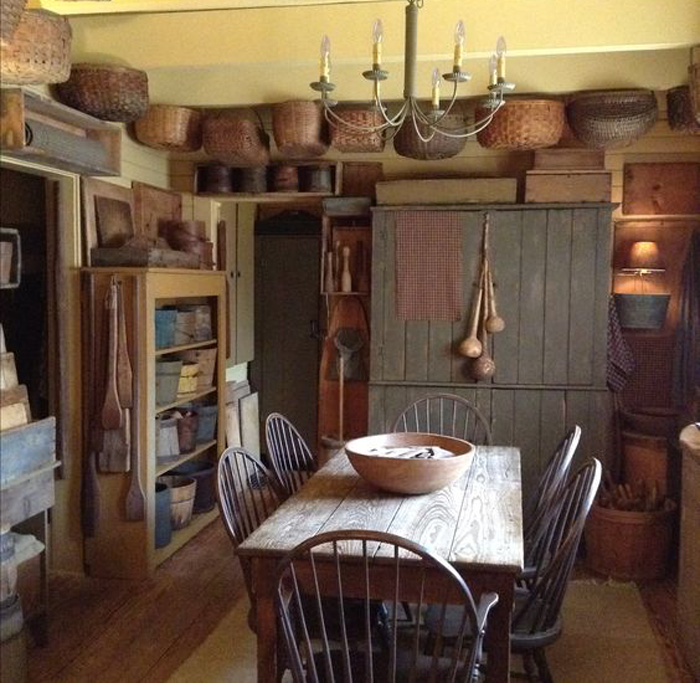
Traditional furnishings work well in Colonial Revival homes, as do items that are simple in nature. Interior wainscot paneling is used as a simple decorating technique, for example.
FAMOUS COLONIAL HOMES
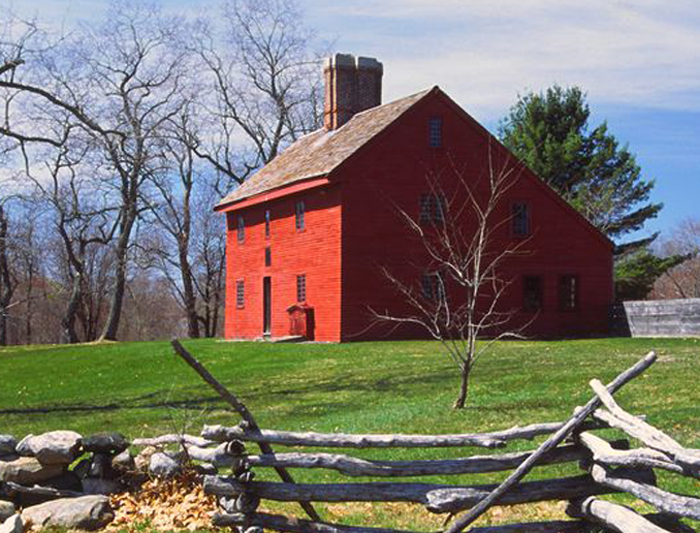
The Home of Rebecca Nurse | 1678 | Salem Witch-trial accused
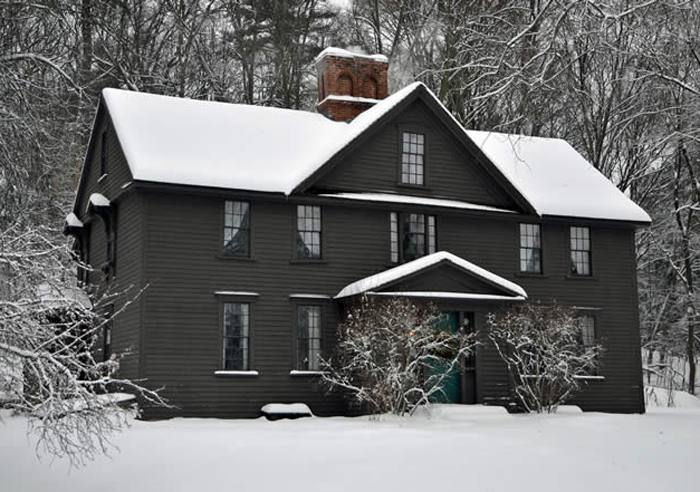
Orchard House | 1690 | Home of ‘Little Women’ author Louisa May Alcott
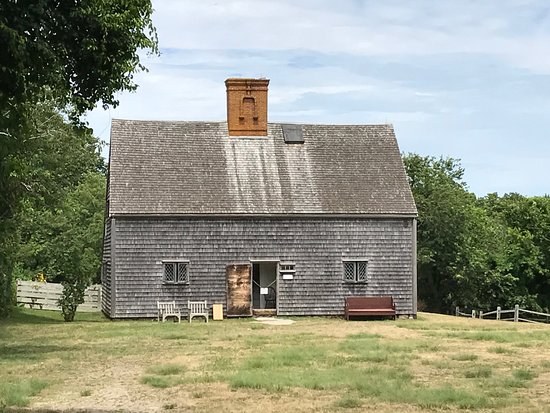
Jethro Coffin House | 1686 | Oldest surviving house on Nantucket
INSPIRING COLONIAL HOMES FROM AROUND THE WEB
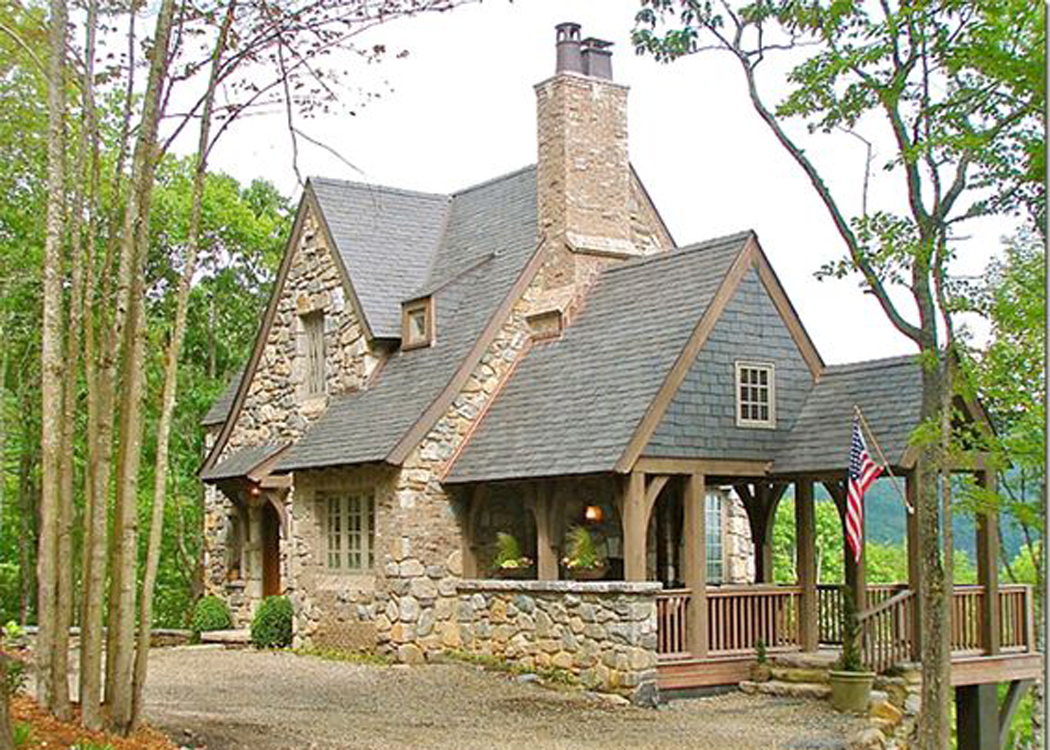
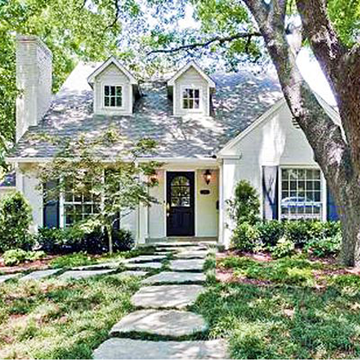
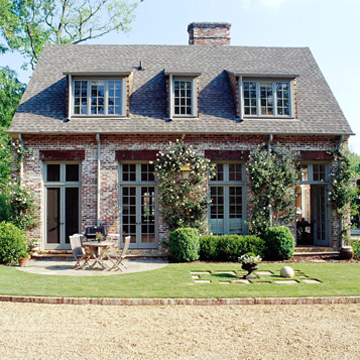
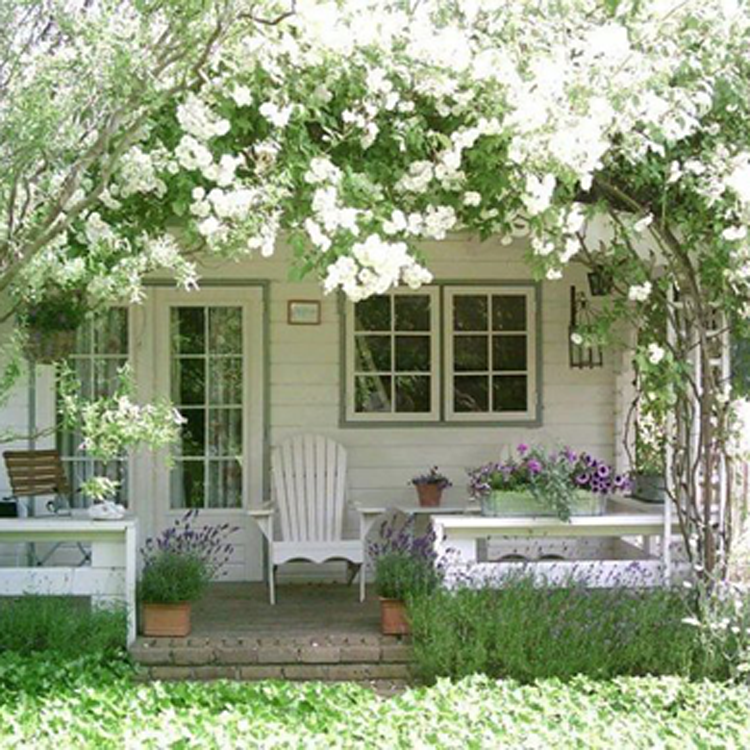
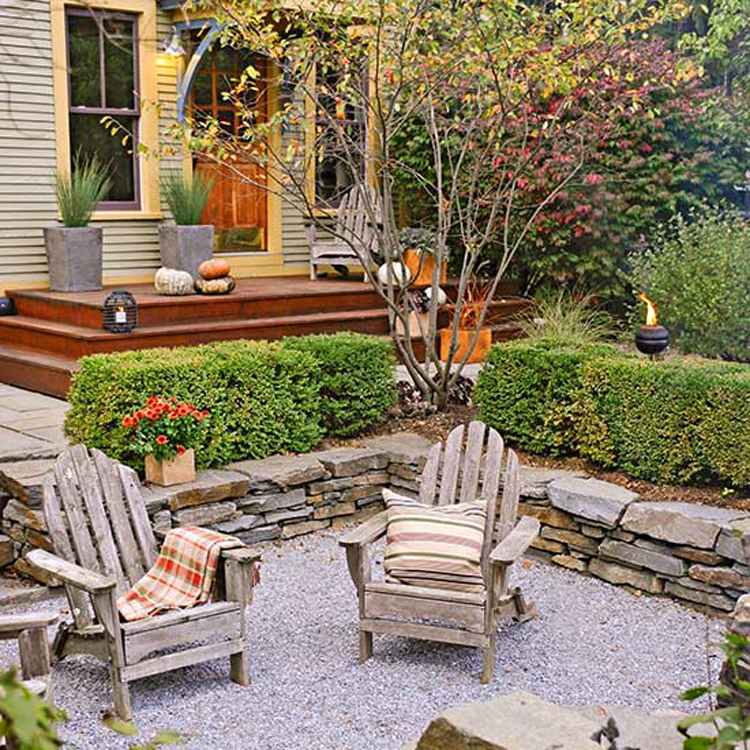
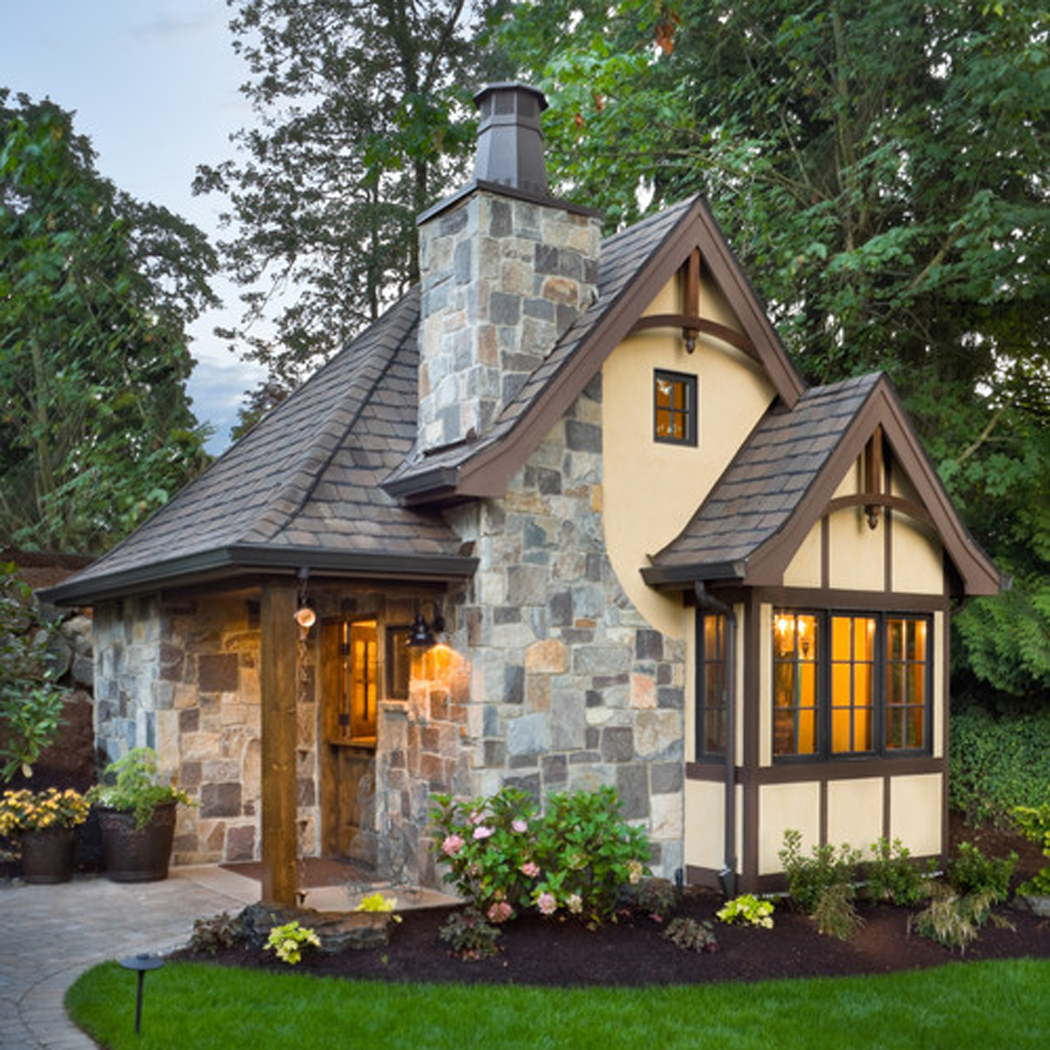
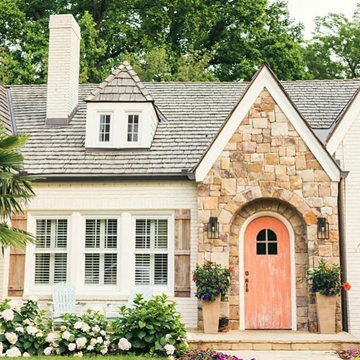
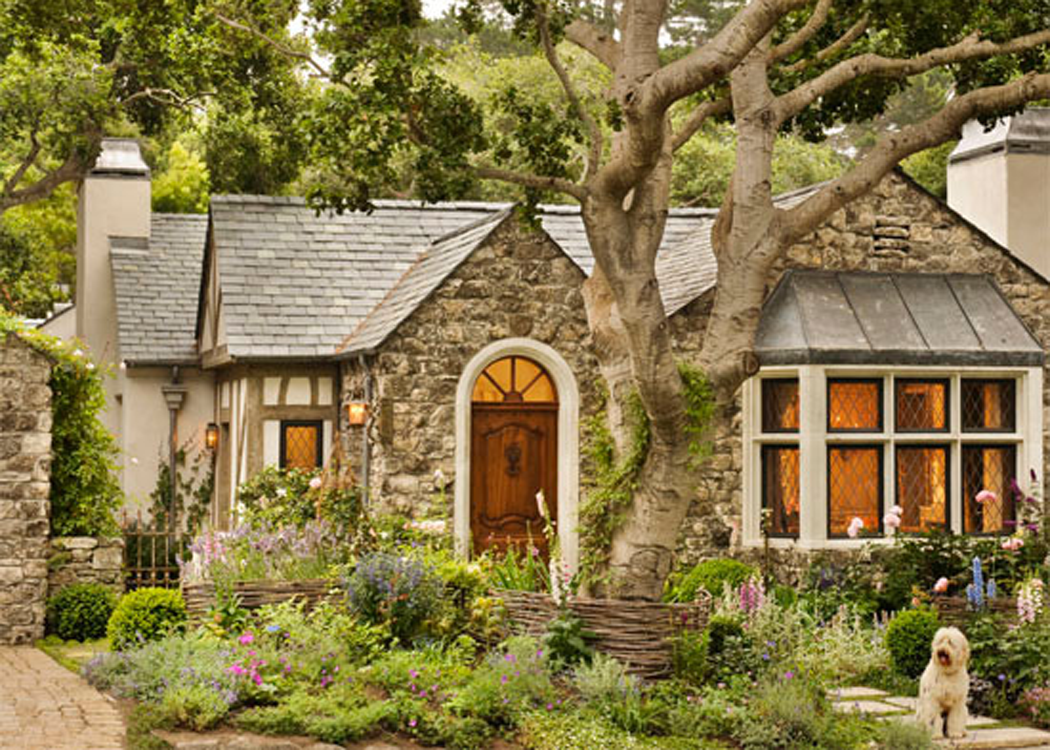
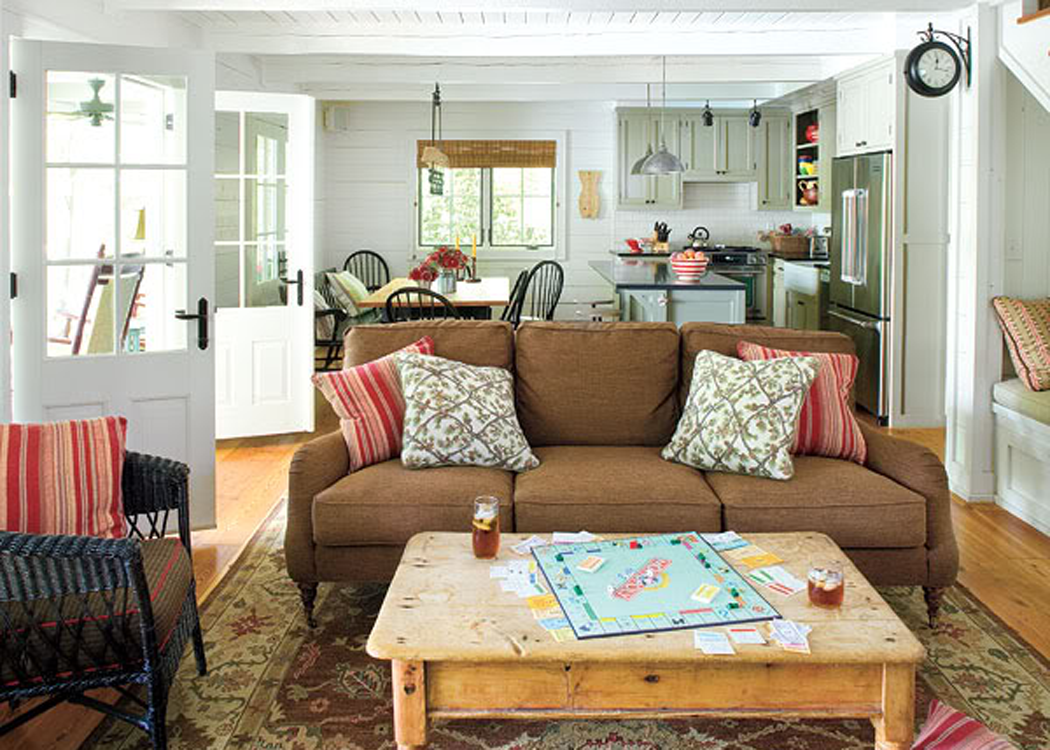
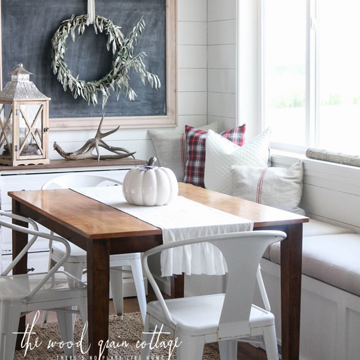
These classic homes showcase the Colonial home style well. Take a closer look!
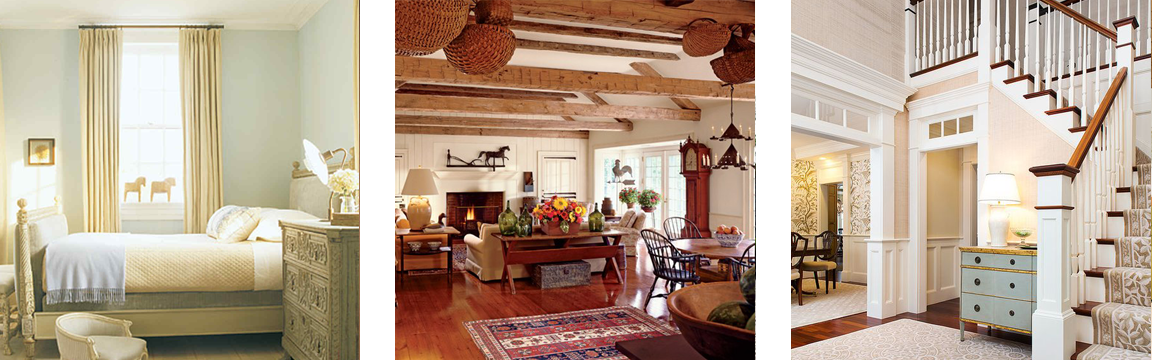
I hope you have enjoyed learning a bit more about the Colonial home style. If you are curious which residential style will be featured next month, stay tuned!
And be sure to check out the previously showcased styles here.
PIN THIS FOR LATER